
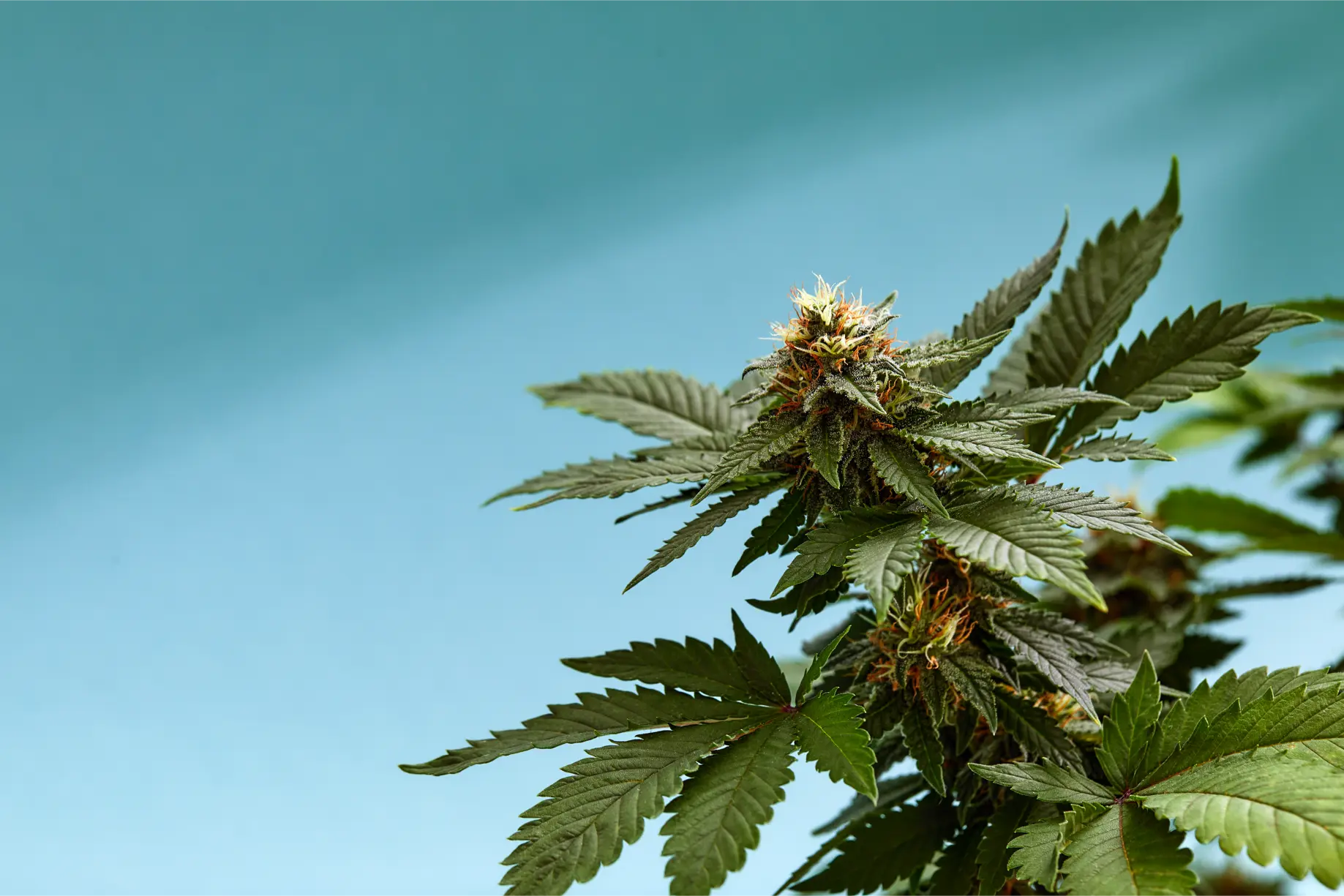
Alaskan Thunder Fuck
Mention Alaskan Thunder Fuck to an old-school northern grower who lived through the underground era of the 1970s and 80s, and their eyes instantly light up with tales of frost-rimmed greenhouses, sub-arctic lore, and colas that smelled so intensely of crushed spruce needles, roadkill skunk, and unrefined gasoline that no glass jar could contain them. Known across decades simply as ATF, and often whispered in the same breath as Matanuska Thunder Fuck, this northern-bred beast represents a legendary chapter of American cannabis breeding: a high-octane sativa-dominant powerhouse forged not in warm California valleys, but in the punishing, short-season climates of the Far North. Yet when you strip away the urban legends, comic book folklore, and internet mythology, what actually sits in the garden is one of the most vigorous, cold-resilient, and aromatic workhorses ever brought under cultivation.
Working with this cultivar in a northern climate requires understanding its true physiological strengths and respecting its non-negotiable boundaries. While folk stories boast that ATF can withstand freezing blizzards without flinching, experienced cultivators know that cold tolerance applies strictly to leaf transpiration and foliar resistance, not to a waterlogged, freezing root zone. When grown in regions shaped by cold Great Lakes air masses, sudden late-September temperature drops, and heavy autumn lake-effect humidity, ATF displays remarkable resilience against foliar mildew and early nighttime chills. However, if cold autumn rains saturate the soil while root temperatures plummet into the 40s, root function stalls immediately, calyx expansion halts, and the risk of internal botrytis skyrockets. Success with this heirloom line demands active environmental steering: protecting the root zone from temperature shock, managing aggressive vegetative stretch, and timing the harvest before deep northern frosts shut down vascular movement.
In our current cultivation run, we set up four selected female specimens inside a 5×5 heavy-duty grow tent erected in our unheated residential basement. Because ATF possesses ferocious vegetative vigor and can easily become lanky with excessive internodal spacing, we decided to run an aggressive lighting trial: instead of a standard low-wattage fixture, we blasted the canopy during vegetative growth with a massive 1000W crisp Metal Halide (MH) lamp housed in a wide open-wing reflector. The raw, high-intensity bombardment of 6500K blue-white photons completely transformed the plant’s architecture. Rather than stretching out of control, the plants built stout, woody, tree-trunk stalks with tightly stacked nodes separated by barely an inch, supercharging root-zone biomass and constructing a fortress-like lateral framework capable of carrying massive terminal colas without snapping.
We initiated this run from a verified preservation pack of twelve regular seeds, pre-sexing the seedlings at week four, culling the males, and selecting the most resinous, menthol-pine female phenotype as our flowering queen. At the onset of 12/12, we swapped the vegetative bulb for a roaring 1000W High-Pressure Sodium (HPS) lamp inside an air-cooled reflector, venting heat directly to the exterior while drawing cool 64°F basement air across the bulb. As the ATF colas swelled into frosted spear-shaped batons under the blazing amber-red HPS beam, over in our separate 2×4 seedling tent, we staged our next upcoming project: rooted cuttings of Blueberry Skunk. The aromatic contrast across the workspace was pure entertainment: on one side, ATF filled the air with the raw scent of a lumberjack wrestling a skunk in a pine forest; on the other, the young Blueberry Skunk starts were gently perfuming their nursery corner with sweet candied berry jam and earthy musk, patiently awaiting their turn under the big lights.
Strain Features
| Feature | Details |
|---|---|
| Cultivar Name | Alaskan Thunder Fuck (ATF) |
| Historical Synonyms | Matanuska Thunder Fuck, Matanuska Thunder, Alaskan Thunder |
| Heritage & Origin | Historic Northern landrace-influenced hybrid; originated in Alaska’s Matanuska Valley during the 1970s |
| Genetic Variety | Sativa-Dominant Hybrid (approximately 65% to 70% Sativa / 30% to 35% Indica) |
| Seed Stock & Sourcing | Regular preservation seed stock (phenotype-hunted and selected for vigorous pine-menthol-diesel expression) |
| Cannabinoid Profile | High THC (typically testing between 18% and 24% total THC; CBD < 0.3%, CBG 0.5% to 1.2%, elevated THCV traces in select cuts) |
| Dominant Terpenes | Beta-Myrcene, Alpha-Pinene, Beta-Caryophyllene, D-Limonene, supported by Terpinolene and Humulene |
| Aroma Architecture | Crushed spruce and pine needles, cooling menthol, pungent roadkill skunk, wild mountain sage, sharp kerosene fumes |
| Flavor Sensation | Biting pine sap, crisp eucalyptus, tart lemon zest, earthy hashish, peppery skunk, lingering clean diesel fuel |
| Flowering Duration | 60 to 70 days (8.5 to 10 weeks indoors; late September to mid-October outdoors in northern temperate zones) |
| Vegetative Vigor | Exceptionally high; responds aggressively to 1000W Metal Halide lighting, building thick woody stems and heavy lateral shoots |
| Vertical Canopy Stretch | Strong (typically 1.8x to 2.2x vegetative height following the 12/12 photoperiod flip) |
| Growth Architecture | Tall, broad-shouldered, multi-branched framework; thick woody stalks, strong lateral branching, elongated spear colas |
| Optimal Cultivation Environment | Indoor grow tents with high-output HID lighting, or cold-tolerant outdoor hoop houses with insulated raised beds |
| Flower Morphology | Elongated, foxtail-resistant spear clusters; chunky calyxes, fiery copper pistils, heavy blanket of frost-resistant trichomes |
| Yield Potential | High (450 to 550 g/m² indoors under optimized canopy management; 600 to 900 g/plant outdoors) |
| Cultivation Difficulty | Moderate (requires disciplined canopy training, strict humidity reduction in late bloom, and root-zone warmth) |
Genetic Lineage
Why uncertain lineage matters in the garden
Few cultivars carry an origin story as romanticized, disputed, and obscured by counterculture folklore as Alaskan Thunder Fuck. In underground cannabis history, ATF is universally tied to the fertile farming soils and extreme photoperiods of the Matanuska Valley, located north of Anchorage, Alaska. The widely repeated narrative traces the original strain to an unknown Northern California sativa brought to the Matanuska Valley in the late 1960s, which was subsequently crossed with an indigenous Russian or northern Asian ruderalis line to impart cold hardiness and rapid flowering under high-latitude summer daylight. Later, in the late 1970s, an exceptional Afghani indica male was allegedly introduced into the gene pool to add resin density, calyx weight, and deep somatic grounding. While this legendary three-part pedigree (NorCal Sativa x Ruderalis x Afghani) provides a neat historical framework, serious horticulturists treat it as a compelling working hypothesis rather than an indisputable botanical certificate.
In practical garden operations, the lack of a standardized corporate pedigree means that plants carrying the ATF label do not emerge from an identical, highly inbred seed line. Popping seeds or acquiring clone stock tagged as ATF requires active observational cultivation. Growers must evaluate individual plants based on their actual morphology, internodal spacing, flowering timeline, and volatile terpene production rather than relying on promotional catalog descriptions. The genetic background reveals itself clearly during the first three weeks of 12/12: plants will either stretch aggressively toward the light with narrow sativa leaflets or stack tightly as broad-shouldered, indica-leaning bushes.
The open, sativa-leaning expression
The most common and celebrated phenotype of Alaskan Thunder Fuck displays unmistakable sativa architecture. These plants grow with explosive apical vigor, producing long, flexible lateral branches and slender, serrated fan leaves. In the vegetative tent, they demand early structural intervention to prevent vertical runaways. During the flowering stretch, this phenotype easily doubles in height, building elongated, spiraling floral spears that develop over nine to ten full weeks. The aroma of this sativa-leaning cut is razor-sharp: dominant in alpha-pinene, menthol, and citrus fuel, delivering a vibrant, electrically stimulating cerebral high that makes it an extraordinary daytime cultivar.
The compact Matanuska-type expression
Less common but equally prized is the squat, compact Matanuska phenotype, which reflects the heavy historical influence of the Afghani parentage. This expression develops thick, woody main stalks, short internodal gaps (often less than an inch apart), and broad, dark-green foliage that resembles a mountain hash plant. The Matanuska cut stretches only 1.3x to 1.5x after the flip, finishing its flowering cycle slightly earlier in 56 to 63 days. Its floral clusters form dense, rock-hard golf-ball formations rather than elongated spears, accompanied by a darker, more pungent musk of damp forest humus, cured leather, and greasy skunk, yielding a much heavier, more physically sedating stone.
Afghani-like influence
The Afghani genetic contribution is what separates Alaskan Thunder Fuck from pure equatorial landrace sativas. Without Afghani genetics, ATF would produce wispy, airy, fox-tailed flowers that struggle to build commercial weight in cool northern environments. The Afghani infusion contributed massive glandular trichome head development, thick calyx walls that resist cold ambient air, and rapid late-stage floral swelling. Furthermore, it provided the structural rigidity that allows ATF branches to carry substantial floral mass without requiring excessive external staking.
Ruderalis claims should not be confused with automatic flowering
The historical mention of ruderalis in ATF lore frequently confuses modern growers who equate the term strictly with contemporary autoflowering cannabis. Authentic Alaskan Thunder Fuck is a strictly photoperiod-sensitive cultivar that will remain in vegetative growth indefinitely under an 18/6 light cycle. The ancestral northern landrace genetics contributed foliar cold resilience, thick cuticle layers on leaf surfaces, and an ability to transpire efficiently during cool 50°F to 60°F autumn days. It did not introduce day-neutral automatic flowering traits, and growers must provide an uninterrupted twelve-hour dark period to trigger and sustain reproductive bloom.
Preserve the phenotype before making conclusions
Because authentic ATF genetics are rare and phenotype variation can be substantial, cultivators should never run a seed pack without taking backup cuttings from every individual during vegetative growth. Keep each clone clearly labeled while the seed mothers undergo flowering trials. A phenotype that appears unruly, tall, or awkward in late veg may very well turn into the most resin-frosted, pine-scented masterpiece by week nine of bloom. Once an exceptional female keeper is identified, that clone can be preserved indefinitely as mother stock, ensuring predictable, repeatable harvests for years to come.
Effect Breakdown
Initial onset: fast mental lift
The psychoactive trajectory of Alaskan Thunder Fuck initiates with an immediate, eye-opening rush of cerebral energy. Within two to four minutes of inhalation, a warm, tingling sensation manifests behind the eyes and across the scalp, instantly clearing away mental fog and fatigue. The cognitive shift is bright, expansive, and decidedly optimistic. Colors appear slightly more saturated, auditory perception sharpens, and a spontaneous sense of playful curiosity replaces daily worries. Unlike anxious, racing sativas that cause uncomfortable jitteriness or heart palpitations, ATF delivers clean, buoyant motivation that feels grounded and purposeful.
Emotional phase: optimism and confidence
As the initial rush settles into an established plateau around the fifteen-minute mark, a profound wave of emotional well-being takes center stage. ATF has an extraordinary capacity to dissolve cynical, depressive, or defeated mindsets, instilling instead an unshakeable sense of calm confidence and cheerfulness. Social interaction flows effortlessly; conversation becomes lively, humorous, and engaging, making the cultivar an outstanding choice for social gatherings, creative brainstorming sessions, or outdoor adventures with close companions.
Cognitive phase: energetic but not always precise
While Alaskan Thunder Fuck provides immense mental stimulation, it is not always a laser-focused study aid for highly technical, micro-detailed mathematics. The mental energy is expansive and associative rather than rigidly linear. Thoughts branch out into broad creative concepts, artistic visions, and enthusiastic big-picture ideas. For writers, artists, landscape designers, and musicians, this cognitive state unlocks profound creative flow; however, for tasks requiring rigid, repetitive numerical data entry, consumers may find themselves happily daydreaming about their next mountain hike.
Physical transition
Around the forty-five-minute mark, the somatic half of the hybrid balance emerges. A warm, relaxing sensation washes through the shoulders, chest, and lower back, easing muscular tension and melting away physical tightness without impairing motor coordination. The physical relaxation feels natural and unburdened, acting as a soothing shock absorber against physical exhaustion. Consumers remain fully upright, mobile, and energized, making ATF an exceptional choice for trail running, mountain biking, gardening, and demanding physical labor.
Appetite and late phase
As the session progresses past the two-hour mark, ATF frequently triggers a robust, undeniable appetite stimulation. Food tastes exceptionally rich and satisfying, with sweet, savory, and umami flavors heightened across the palate. As the high gently winds down, it leaves behind a peaceful, contented state of physical relaxation and mental calm. There is no sudden, exhausted crash, no brain fog, and no heavy grogginess, allowing the user to transition smoothly into an evening meal or restful sleep.
Dose sensitivity
Alaskan Thunder Fuck exhibits a wide, forgiving therapeutic window at low to moderate dosages; however, it commands respect from inexperienced consumers. In high-potency batches testing above 22% THC, taking excessive consecutive draws can induce a temporary, dizzying head rush and mild spatial disorientation. Users prone to cannabis-induced anxiety should start with a single, controlled inhalation, allowing ten minutes to gauge the energetic onset before taking additional draws.
Duration
The active psychoactive arc of Alaskan Thunder Fuck typically spans two and a half to three and a half hours, with subtle somatic relaxation and positive mood elevation lingering well into the fourth hour. The longevity of the experience is significantly extended when consuming solventless live rosin or dry-sift hash derived from mature, terpene-rich floral clusters.
Flavor & Aroma Profile
Live plant aroma
In the vegetative tent under the piercing beam of a 1000W Metal Halide lamp, touching the lower stems of ATF releases a sharp, resinous scent of wet pine needles, green juniper berries, and wild sagebrush. By week four of flowering, as capitate-stalked trichomes multiply across the developing bracts, the aroma transforms into an aggressive, room-filling stench of pungent roadkill skunk, wild mountain onions, and raw hydrocarbon fuel. Carbon scrubbers must be fresh and operating at peak CFM to prevent the pungent odor from escaping the workspace.
Freshly harvested aroma
At harvest, when the main stalk is severed, the wet plant produces an intoxicating, nose-clearing blast of fresh alpine pine resin, cooling wintergreen menthol, and pungent kerosene exhaust. The combination is sharp, clean, and invigorating, clearing the sinuses like a blast of cold sub-arctic mountain air while leaving a thick, sticky resin on trimming shears that smells of sweet citrus peel and damp forest humus.
Cured jar aroma
After four to six weeks of patient glass curing, the aroma settles into a sophisticated, multi-tiered masterpiece. Unsealing a cured mason jar releases an immediate top note of sweet, crushed spruce needles, eucalyptus, and cooling menthol, followed closely by a tart wave of lemon zest and wild herbs. Anchoring the profile is a heavy, savory foundation of damp potting soil, cured black hashish, and an acrid, chemical diesel exhaust that lingers in the room for hours.
Inhale
Drawing vaporized or combusted ATF across the palate delivers an exceptionally crisp, refreshing sensation. The front of the tongue registers a burst of sweet pine sap, tangy lime peel, and herbal mint. The smoke is dense and expansive, filling the mouth with a velvety texture that feels clean and invigorating without scorching the epithelial tissue of the throat.
Exhale
The exhale reveals the complex, savory depth of the cultivar’s heritage. The crisp pine top notes make way for a heavy, peppery skunk funk, warm cedar shavings, and lingering hydrocarbon fuel. A distinct, pleasant cooling sensation coats the roof of the mouth and the back of the throat, leaving an aftertaste reminiscent of breathing mountain air after drinking hot spiced peppermint tea.
Menthol perception
The cooling menthol note in authentic ATF is not a synthetic or mint-flavored additive; it is a natural sensory perception created by high concentrations of alpha-pinene, beta-pinene, and terpinolene interacting with the palate’s thermal receptors. This cooling sensation provides a clean, refreshing balance against the heavy, pungent skunk and diesel notes, defining the cultivar’s unique sensory signature.
Why ATF can lose its identity during drying
The volatile monoterpenes that define ATF’s signature pine-menthol fragrance possess very low boiling points and evaporate rapidly if flowers are dried too quickly in warm, dry air. Drying ATF at temperatures above 68°F or in relative humidity below 50% will strip away the delicate alpha-pinene and terpinolene within forty-eight hours, leaving behind a flat, grassy, generic earthy bud that has lost its authentic northern identity. Whole-plant cold drying at 60°F and 60% relative humidity is essential to lock in these volatile aromatic treasures.
Dominant Terpenes
Analytical laboratory testing of properly cured Alaskan Thunder Fuck flowers highlights a rich, robust terpene profile typically ranging between 2.2% and 3.5% total terpenes by dry weight. The biochemical synergy is driven by high concentrations of monoterpenes that provide its distinctive pine-diesel fragrance and uplifting psychoactive arc.
| Terpene | Average % | Aromatic Role | Boiling Point | Physiological & Entourage Effects |
|---|---|---|---|---|
| Beta-Myrcene | 0.80% to 1.30% | Damp forest earth, herbal musk, ripe fruit | 166°C to 168°C | Enhances cannabinoid absorption across the blood-brain barrier, provides somatic relaxation, and smooths the cerebral lift |
| Alpha-Pinene | 0.60% to 1.10% | Sharp pine needles, crushed spruce, fresh rosemary | 155°C to 156°C | Acts as a powerful natural bronchodilator, enhances cognitive focus, and counteracts short-term memory impairment from THC |
| Beta-Caryophyllene | 0.40% to 0.75% | Cracked black pepper, dry wood spice, warm clove | 130°C to 139°C | Directly activates peripheral CB2 cannabinoid receptors, delivering robust anti-inflammatory and systemic analgesic benefits |
| D-Limonene | 0.30% to 0.60% | Tart lemon zest, sweet citrus peel, clean brightness | 176°C to 177°C | Stimulates dopamine and serotonin pathways, elevates mood, and provides significant anti-anxiety and stress relief |
| Terpinolene | 0.20% to 0.45% | Pine resin, fresh herbs, lilac, chemical fuel | 184°C to 185°C | Contributes to the complex, energetic cerebral head buzz and imparts a cooling, multifaceted fragrance |
| Humulene | 0.15% to 0.30% | Earthy wood, herbal hops, dry coriander | 106°C to 107°C | Suppresses inflammation, works synergistically with caryophyllene, and acts as a mild natural appetite suppressant |
Myrcene
Myrcene serves as the earthy, grounding foundation of the ATF terpene profile. It provides the deep forest floor musk that anchors the volatile pine top notes and contributes to the gentle somatic relaxation that emerges during the second hour of the high.
Caryophyllene
Beta-caryophyllene supplies the peppery, pungent kick on the exhale. Because it functions as both a dietary terpene and a functional atypical cannabinoid, it delivers robust anti-inflammatory relief to stressed muscles and joints without contributing to cognitive sedation.
Limonene
D-Limonene injects a bright, citrusy sparkle into the aroma, cutting through the heavy skunk and pine. Pharmacologically, it plays a vital role in elevating mood, relieving mental fatigue, and keeping the psychoactive onset cheerful and optimistic.
Pinene
Alpha and beta-pinene represent the true soul of Alaskan Thunder Fuck. High pinene concentrations give the flower its unmistakable alpine pine forest fragrance, open respiratory airways upon inhalation, and maintain pristine mental clarity throughout the session.
Other minor volatiles
Trace concentrations of ocimene, linalool, and camphene contribute subtle floral, woody, and herbal nuances that round out the sensory experience, while volatile sulfur compounds (VSCs) generate the acrid, penetrating roadkill skunk funk that makes ATF famous.
Do not reduce effect to terpene mythology
While terpene analysis provides an indispensable map of aroma and flavor, the overall effect of Alaskan Thunder Fuck is a holistic result of the complete entourage effect: the complex interaction between THC, minor cannabinoids (CBG, CBC, THCV), terpenes, esters, and flavonoids acting together upon the human endocannabinoid system.
Indoor vs. Outdoor Growing
| Cultivation Metric | Indoor Tent Setup (5×5 Controlled Environment) | Outdoor Garden & Northern Hoop House |
|---|---|---|
| Canopy Control & Height | Requires early topping above node 4 or 5 and aggressive horizontal training under a SCROG net to manage its 2x transition stretch under 1000W HID lighting. | Explodes into an enormous, multi-branched Christmas tree reaching 7 to 10 feet in height; demands heavy external bamboo or welded wire cage support. |
| Lighting & Spectral Impact | 1000W Metal Halide in veg suppresses node stretch; 1000W High-Pressure Sodium in bloom drives deep photon penetration through dense spear colas. | Harnesses full-spectrum natural sunlight with high natural UV-A and UV-B exposure, stimulating thicker trichome heads and intense volatile sulfur production. |
| Climate & Temperature | Basement ambient air requires raising pots off concrete slabs; inline extraction maintains optimal canopy temperatures (76°F to 78°F) and 1.1 to 1.3 kPa VPD. | Thrives during warm northern summers, but late-season cold damp fronts and 40°F night dips require elevated raised beds and clear overhead poly hoop houses. |
| Humidity & Mold Vulnerability | Dehumidifiers systematically lower relative humidity to 40% to 45% during late bloom; oscillating fans above and below canopy prevent botrytis in spear cores. | High vulnerability to late-September botrytis if cold rains hit mature colas; morning wind and sunlight are critical to evaporate heavy autumn dew quickly. |
| Nutrient Appetite | Moderate to heavy feeder in coco/perlite; peaks at 1.6 to 1.9 mS/cm EC in bloom; easily handles bioavailable potassium and phosphorus during calyx bulking. | Thrives in 100-gallon living soil beds amended with composted manure, volcanic rock dust, kelp, and bone meal, requiring minimal synthetic salt feeding. |
| Harvest Window & Yield | Finishes in 8.5 to 10 weeks (60 to 70 days), yielding 450 to 550 g/m² of dense, boutique, hand-manicured frosted spear colas. | Finishes from late September to mid-October; large outdoor northern specimens yield between 600 and 900 grams of premium dried floral biomass per plant. |
| Aromatic Preservation | Sealed environment protects volatile alpha-pinene and terpinolene from thermal degradation; late-bloom temperature drop enhances menthol pungency. | Natural autumn temperature swings produce intense pine and fuel terpenes, but late rainfall can wash away surface resin if plants are unprotected. |
Indoor advantages
Cultivating Alaskan Thunder Fuck indoors gives the grower total mastery over environmental variables. Sativa phenotypes that stretch vigorously can be trained flat beneath a trellis net, while compact Matanuska cuts can be given extra vegetative time. Most importantly, indoor growers can completely eliminate the hazard of late-season autumn rainfall, lowering relative humidity to 40% during the final three weeks to allow colas to swell to maximum density without a trace of mold.
Indoor challenges
The primary indoor hurdle is managing vertical canopy height and lamp heat. Because ATF responds to high photon levels with aggressive stretch, growers using 1000W HID lighting must maintain adequate vertical clearance and use air-cooled reflectors ducted directly to the outdoors. Furthermore, ATF produces a penetrating, pungent odor during late bloom that demands heavy-duty virgin carbon filtration.
Outdoor advantages
Outdoors, Alaskan Thunder Fuck displays the true genetic vigor of its northern heritage. When given 100 gallons of rich living soil and full southern solar exposure, the plant constructs thick, hollow stalks and a massive root system capable of supporting heavy floral biomass. Natural autumn temperature swings stimulate extraordinary terpene synthesis, producing buds with an intense, resinous pine-skunk aroma that indoor lights struggle to replicate.
Outdoor climate reality
The legendary northern resilience of ATF does not mean it can be neglected in freezing, waterlogged soil. In northern temperate regions characterized by sudden autumn cool-downs, heavy morning dew, and cold lake-effect humidity, outdoor growers must plan carefully. The plant tolerates chilly 45°F night air with ease, but prolonged cold rains combined with saturated soil in late September will freeze root metabolism and induce internal botrytis.
Best northern site characteristics
An ideal outdoor site for ATF features maximum early-morning sun exposure, excellent natural drainage on an elevated slope or raised bed, and consistent prevailing wind to dry morning dew off the canopy. Planting in low-lying frost pockets or shaded hollows where cold, damp air settles will invite powdery mildew and stall late-season ripening.
Rain protection
For northern outdoor cultivators, constructing a simple clear polyethylene hoop house or overhead greenhouse cover by the first week of September is the single most effective yield-protecting measure. Shielding the swelling colas from direct rain while keeping the sides open for free lateral air movement allows ATF to mature safely through mid-October.
Strain-Specific Grow Guidance
Step one: classify the phenotype
Because ATF exhibits phenotypic variation between tall sativa frames and compact Matanuska bushes, growers must classify their cutting during the third week of vegetative growth. Sativa-leaning plants will display longer internodes and slender leaflets, requiring early topping and strict trellis containment. Compact cuts develop broad leaves and tight internodes, requiring branch-spreading LST to open the inner canopy.
Germination and early seedling stage
ATF seeds germinate vigorously when maintained at a steady 75°F to 78°F with a damp paper towel or starter plug method. Seedlings should be placed under gentle fluorescent or low-output metal halide lighting with 65% to 70% relative humidity. Avoid overwatering young seedlings; allow the medium to dry back slightly to encourage rapid taproot expansion.
Root-zone temperature
Maintaining root-zone warmth is critical when cultivating in unheated basements or cool northern garages. If substrate temperatures drop below 62°F, phosphorus and micronutrient uptake stalls, leading to purple petioles, stunted growth, and delayed flowering. Place fabric containers on insulated foam boards or wooden pallets to isolate them from cold concrete slabs, keeping root temperatures between 68°F and 72°F.
Vegetative feeding
During vegetative growth under high-intensity 1000W Metal Halide lighting, ATF develops a hearty appetite. Maintain nutrient solution EC between 1.2 and 1.5 mS/cm, keeping input pH strictly at 5.8 to 6.1 in soilless coco media. Provide ample bioavailable calcium and nitrogen to fuel rapid cell division, and supplement with soluble potassium silicate to build thick, durable cell walls.
Topping tall phenotypes
For tall, sativa-dominant phenotypes, execute a clean topping cut above node four or five during week three of veg. This breaks apical dominance and redirects hormonal auxin flow into the lower lateral shoots, creating six to eight robust primary leaders and preventing the plant from shooting straight up into the light fixture.
LST for tall expressions
Pair topping with low-stress training (LST). Gently anchor lateral branches outward using soft rubber plant ties, securing them to the container rim or trellis net. Bending branches horizontally encourages secondary shoots along the upper surface to grow vertically, forming a flat, even table of colas.
Managing squat expressions
Compact Matanuska phenotypes require the opposite approach. Rather than topping multiple times, focus on spreading the thick, crowded lateral branches outward to let light penetrate into the center of the plant. Prune away large, light-blocking inward fan leaves to prevent moisture pockets from forming in the congested core.
SCROG
Installing a Screen of Green (SCROG) net is the ultimate method for controlling ATF’s transition stretch. Install the elastic net eight to ten inches above the container rim and weave expanding shoots horizontally beneath the mesh throughout the first two weeks of flower, creating a dense, uniform green plane.
Flowering stretch
Expect a significant vertical stretch of 180% to 220% during the first twenty-one days of 12/12 in sativa-leaning cuts. Ensure that the canopy fills no more than 50% of your available vertical space on the day of the flip to prevent upper colas from pressing into light reflectors.
Flower formation
By week four of flower, elongated spear clusters form along every primary terminal. Unlike pure indica golf-ball buds, ATF flowers stack continuously along the stem, creating massive, twelve-to-eighteen-inch batons of frosty calyxes that swell rapidly throughout weeks five, six, and seven.
Defoliation
Execute two strategic defoliation passes: once on Day 1 of flower to strip away lower interior shade leaves, and a second comprehensive pass at Day 21 of flower. Removing large fan leaves opens light pathways to secondary flowering sites and dramatically improves horizontal air velocity through the canopy.
Lollipopping
At Day 21, perform a thorough lollipopping pass, removing all small, wispy tertiary shoots and shaded foliage from the bottom third of the plant. Stripping away low-value bottom growth directs all metabolic sugars and minerals directly into swelling the massive top-tier colas.
Irrigation in cool conditions
In cooler ambient room temperatures, plants transpire more slowly. Adjust your irrigation frequency accordingly: never irrigate on a rigid calendar schedule. Always lift containers to gauge weight and check the top two inches of substrate before watering to prevent root-zone waterlogging.
Cold reputation is not root-zone immunity
Never confuse foliar cold tolerance with root-zone invulnerability. While ATF leaves can easily handle 50°F air without dropping photosynthetic efficiency, allowing cold, wet substrate to chill the roots below 58°F will induce immediate nutrient lockout, root rot, and stalled floral swelling.
Outdoor soil drainage
When preparing outdoor garden plots, amend heavy clay soils with 30% coarse perlite, volcanic pumice, and well-aerated compost. Cultivating on raised earthen mounds or in 100-gallon aerated fabric containers ensures that heavy late-season rainfall drains away rapidly from the root mass.
Wind
Steady, gentle ambient wind is a grower’s best friend outdoors. Moving air flexes plant stems, triggering ethylene release that thickens branch calipers, while continuously sweeping away stagnant, humid air pockets from inside dense colas to prevent mold spores from taking hold.
Branch support
Because ATF colas gain substantial mass during late flower, lateral branches will bow and lean under their own floral weight. Install a double-layer horizontal trellis net indoors, or erect sturdy exterior bamboo cages outdoors before week four of flower to cradle the heavy spears through harvest.
Humidity and mold
Relative humidity must be strictly controlled during late bloom. Maintain 55% during weeks one through four, 48% during weeks five and six, and strictly 40% to 42% from week seven to harvest. Ensure constant, turbulent oscillating airflow above and below the canopy to eliminate stagnant moisture boundary layers.
Pest pressure
ATF possesses strong natural defense compounds (high pinene and caryophyllene) that deter many common soft-bodied vegetative pests. However, indoor growers should maintain clean intake filtration and release beneficial predatory mites (Stratiolaelaps scimitus) into the substrate during early veg to eliminate fungus gnats and thrips.
Powdery mildew
While ATF shows excellent genetic resistance against powdery mildew compared to delicate dessert strains, extreme day-night temperature swings combined with high late-season humidity can invite PM outbreaks. Keep nighttime temperatures above 62°F indoors and avoid spraying foliar water on mature flowers.
Flowering week 1 to 3
The transition window. Focus on horizontal trellis tucking, maintaining 76°F to 78°F day temperatures, and transitioning nutrition from high nitrogen toward balanced phosphorus and potassium.
Flowering week 4 to 6
Peak floral bulking. Calyxes multiply rapidly and trichome heads erupt across bract surfaces. Increase nutrient EC to 1.7 to 1.9 mS/cm, supplying abundant soluble monopotassium phosphate and potassium sulfate.
Flowering week 7 to finish
Ripening and terpene synthesis. Lower room temperatures to 72°F day and 62°F night to preserve volatile monoterpenes. Scale back feeding and initiate a clean water flush during the final ten to fourteen days.
Harvest timing in a short season
In short northern outdoor seasons, monitor trichome maturity daily starting in late September. If a severe, hard-freezing arctic front (temperatures below 28°F) is forecasted, it is far better to harvest slightly early with 80% milky trichomes than to lose the entire crop to frost damage and subsequent mold.
Staged harvest outdoors
Outdoors, the top apical colas receive significantly more direct solar radiation and mature five to seven days before the shaded interior branches. Execute a staged harvest: harvest the top eighteen inches of primary colas first, and allow the lower tiers an additional week in full sun to swell and ripen fully.
Do not use frost as a ripening technique
Allowing outdoor plants to endure light 34°F autumn chills will stimulate beautiful purple anthocyanin blushes and increase terpene density. However, intentionally exposing plants to hard freezes that rupture cellular membranes is dangerous practice that causes tissue necrosis and immediate fungal decay.
Weedth Bud Flavor Tips
Late-flower temperature
Maintaining cool canopy temperatures (72°F to 74°F) during the final three weeks of flower protects the volatile alpha-pinene, terpinolene, and limonene from thermal evaporation, ensuring that the finished cured flower explodes with that legendary icy pine-menthol fragrance.
Avoid heat spikes
A single afternoon heat spike exceeding 85°F during late bloom can permanently strip away over 30% of the plant’s volatile monoterpenes. Ensure air-cooled reflectors are operating properly and vent hot air directly outside to maintain stable, cool canopy conditions.
Harvest during a cool period of the day
Always execute your harvest during the coolest part of the diurnal cycle, ideally early in the morning outdoors or right before lights-on indoors. Plant tissues are coolest and fully hydrated, and terpene concentrations on the calyx surfaces are at their daily peak.
Keep harvested material out of sun
Never lay freshly cut branches in direct sunlight or under hot grow lamps. Ultraviolet radiation and ambient heat rapidly degrade THC into CBN and destroy delicate aromatic terpenes within minutes of cutting.
Dry in darkness
Post-harvest drying must occur in total, pitch-black darkness. Light drives enzymatic breakdown of cannabinoids and accelerates the photo-oxidation of terpenes, turning fragrant green colas into dull brown biomass.
Control airflow
Airflow inside the drying room must be indirect and gentle. Never point oscillating fans directly at hanging plants, as this causes rapid case hardening (drying the outside of the bud while trapping moisture in the core). Direct fans toward the floor or walls to keep ambient room air circulating smoothly.
Whole-plant versus branch drying
In dry ambient environments, hang whole plants upside down with all fan leaves intact to slow moisture loss. In humid northern autumn environments, buck plants into individual twelve-to-eighteen-inch branches and trim large fan leaves to prevent trapped moisture between stems.
Target an even dry
Maintain the drying room strictly at 60°F (15.5°C) and 60% relative humidity for twelve to fourteen days. This extended, slow dry allows moisture inside the central stem to migrate outward evenly, ensuring a consistent cure across every flower cluster.
Cure for integration
Once branch stems snap cleanly with an audible crack, manicure the flowers and seal them in airtight glass mason jars. Store jars at 62°F to 65°F in a dark cabinet, burping twice daily for the first two weeks to exhaust moisture and carbon dioxide, allowing the harsh chlorophyll to break down into smooth, refined pine-diesel vapor.
Do not repeatedly open the main storage container
Once internal humidity stabilizes at 58% to 62%, resist the urge to open your primary long-term storage vessels. Repeatedly introducing fresh oxygen accelerates terpene oxidation and dries out the flower. Keep a small separate working jar for daily use.
Store whole buds cool and dark
Always store finished ATF buds whole; never grind flower until immediately prior to consumption. Grinding ruptures thousands of trichome heads simultaneously, exposing the delicate essential oils inside to rapid evaporation.
Avoid artificial rehydration
Never use wet potato peels, orange rinds, or damp paper towels to rehydrate over-dried flower. These kitchen hacks introduce mold spores and unpleasant fruit odors that ruin the authentic skunk-diesel profile. Utilize food-grade two-way humidity control packs if moisture adjustment is needed.
What should the finished jar still express?
A properly cured jar of Alaskan Thunder Fuck should hit the nose with an unmistakable, eye-opening blast of fresh alpine pine needles, cooling menthol, pungent skunk, and biting kerosene. If the jar smells faintly of grass, hay, or generic earth, the drying cycle was rushed or temperatures were kept too high.
Weedth Bud Boost Tips
Maximize useful light, not raw plant height
Focus on creating an even, illuminated canopy table rather than chasing towering vertical plants. Deploying a 1000W HPS fixture hung twenty-four to thirty inches above an even SCROG net delivers uniform 800 to 950 µmol/m²/s PAR across all flowering sites, ensuring top-tier calyx density across the entire footprint.
Give compact expressions room to breathe
For compact Matanuska phenotypes, branch spacing is the primary yield lever. Train lateral branches outward at 45-degree angles to prevent dense colas from touching, ensuring full sun penetration and eliminating shaded, larfy secondary shoots.
Use support early
Install your double-layer horizontal trellis netting before week three of flower. Providing a rigid structural support grid prevents heavy branches from wasting metabolic energy on wood reinforcement, directing all carbohydrates into swelling the terminal calyxes.
Root-zone oxygen is a yield tool
High root-zone oxygenation dramatically accelerates nutrient uptake and metabolic efficiency. Utilize breathable fabric containers and high-porosity substrates (such as a 70/30 coco/perlite matrix) to ensure rapid wet-dry cycles and deliver abundant dissolved oxygen to the root tips.
Adjust irrigation to temperature
Scale your watering volume to ambient room transpiration. During cooler autumn weeks, reduce irrigation frequency to prevent cold, waterlogged root zones, ensuring that the substrate dries back adequately between waterings.
Moderate nutrition
ATF responds far better to consistent, moderate electrical conductivity (1.6 to 1.8 mS/cm) than to aggressive overfeeding. Overloading the root zone with excess salts causes leaf tip burn, impairs water uptake, and mutes the delicate monoterpenes in the finished buds.
Light intensity
In standard non-CO2 environments, maintain light levels between 750 and 900 µmol/m²/s at the canopy surface. Pushing light intensity above 1,000 µmol/m²/s without supplemental carbon dioxide causes light bleaching on upper calyxes and scorches delicate terpenes.
CO2 in advanced indoor systems
In sealed indoor rooms, supplementing carbon dioxide at 1,100 to 1,300 ppm during weeks three through seven allows ATF to thrive at 82°F canopy temperatures, accelerating photosynthetic conversion rates and increasing final harvest biomass by up to 20%.
Do not rely on UV stress hacks
Avoid excessive, unmeasured artificial UV-B radiation tricks that damage plant DNA and scorch epidermal cells. Natural broad-spectrum lighting provides ample UV stimulus to build thick resin heads without inducing foliar stress.
Moderate water deficit only with data
While a controlled, gentle dry-back during late flower can stimulate secondary metabolite synthesis, severe drought stress stunts calyx expansion and causes premature leaf senescence. Maintain steady, measured moisture levels right through to harvest.
Outdoor root protection
In northern outdoor gardens, insulate raised beds with a four-inch layer of clean straw mulch, and wrap container perimeters with burlap or bubble wrap. Keeping the root zone warm during chilly September nights allows the plant to continue swelling colas long after ambient air temperatures drop.
Morning sun as a yield protector
Position outdoor plants where they receive unobstructed early-morning sunlight. Quick evaporation of overnight dew prevents moisture from lingering between calyxes, eliminating the primary cause of late-season botrytis.
Quality yield over wet weight
Never judge a harvest strictly by wet scale weight. Dense, properly matured colas loaded with capitate-stalked glandular trichomes retain significantly more dry mass, flavor, and potency after cure than airy, overfed green biomass.
Staged harvest
Harvesting top colas first and leaving lower branches for an extra seven to ten days allows underdeveloped inner flowers to swell into dense, premium-grade buds, increasing total usable harvest weight by 15% to 20%.
Prepare the dry room before harvest
Commission, clean, and stabilize your drying room forty-eight hours before cutting the first stalk. Verify that your air conditioner, dehumidifier, and exhaust fans maintain a stable 60°F and 60% relative humidity before loading the room with freshly cut plants.
Medical Uses & Benefits
Fatigue and low energy
Alaskan Thunder Fuck is exceptionally prized by medical cannabis patients battling chronic daytime fatigue, lethargy, and systemic exhaustion. Its invigorating, dopamine-stimulating cerebral onset provides an uplifting, non-jittery energy boost that revitalizes the body and restores physical motivation.
Mood
The strain serves as a powerful therapeutic tool for clinical depression, seasonal affective disorder (SAD), and persistent apathy. Its euphoric, optimistic mental lift cuts through heavy emotional gloom, restoring cheerfulness and positive engagement with daily life.
Stress
Despite its high mental energy, ATF excels at dissolving psychological tension and acute workplace stress. It silences anxious over-analysis without inducing cognitive sluggishness, allowing patients to navigate demanding social and professional environments with calm confidence.
Appetite
During the second and third hours of the session, ATF reliably stimulates a robust appetite. It is widely utilized by cancer patients undergoing chemotherapy, individuals taking antiretroviral medications, and those struggling with severe eating disorders to overcome nausea and restore healthy nutritional intake.
Pain and physical tension
The combination of high THC and beta-caryophyllene delivers effective somatic relief for chronic tension headaches, neck and shoulder stiffness, arthritis, and lower back pain. It eases musculoskeletal tightness while leaving the patient fully mobile and functional.
Headaches
Many patients report rapid relief from tension headaches and migraines when consuming low doses of ATF at the onset of symptoms, thanks to the vasodilatory and bronchodilatory properties of alpha-pinene paired with cannabinoid analgesia.
Medical caution
Patients highly prone to acute panic attacks or severe paranoia should approach ATF with dosage discipline. Its fast, intense cerebral onset can feel overwhelming if consumed in excessive quantities by individuals with low THC tolerance.
Ideal User Profile
Daytime-experience seekers
ATF is custom-tailored for consumers who demand an active, vibrant daytime high that enhances productivity, social connection, and daily enjoyment without inducing couch-lock or brain fog.
Outdoor and active users
Hikers, trail runners, cyclists, skiers, and gardeners will find ATF an unbeatable companion. Its crisp pine-menthol fragrance and energizing body high complement outdoor physical exertion in cold mountain air.
Creative users
Musicians, writers, painters, and innovative problem-solvers will appreciate its expansive, associative cognitive stimulation, which fosters spontaneous flow states and artistic inspiration.
Pine and fuel flavor fans
Connoisseurs who have grown weary of overly sweet candy and dessert genetics will revel in ATF’s unapologetic, old-school bouquet of alpine spruce needles, roadkill skunk, wild mountain sage, and raw diesel fuel.
High-anxiety users
Consumers sensitive to racy sativas should use small, measured doses, enjoying the cheerful mood elevation while avoiding the disorientation that can accompany high-dose consumption.
Evening users
While ATF can be enjoyed during relaxed social evenings, consuming it immediately prior to bedtime is generally not recommended, as its cerebral stimulation can delay the onset of sleep.
New users
Novice consumers should start with a single gentle puff, waiting ten to fifteen minutes to gauge its potent cerebral velocity before deciding whether to take another draw.
Grower Notes and Feedback
The cold-weather legend creates bad habits
The widespread belief that ATF can thrive in freezing, neglected outdoor conditions leads many northern growers into costly errors. The plant is cold-hardy above ground, but its root system requires warmth, aeration, and protection from waterlogging to finish cleanly.
Roots are often the hidden limitation outdoors
In cold northern soils, root growth slows drastically by mid-September. Cultivators who utilize insulated fabric beds, heavy straw mulch, and elevated wooden risers see dramatic improvements in late-season calyx density compared to plants in bare, saturated ground.
Phenotypes can look unrelated
Because ATF displays diverse phenotypic expressions, growers running seeds should not expect uniform canopy height. Separate tall sativa cuts from squat Matanuska plants during veg to ensure optimal light distribution.
Odor becomes strong late
ATF’s aroma intensifies exponentially between weeks six and nine of flower. Commercial carbon scrubbers and sealed negative-pressure workspaces are non-negotiable to prevent pungent skunk-diesel odors from escaping.
Flower density increases late
Do not be discouraged by slender, open colas during week five. ATF packs on the majority of its calyx density and resin mass during the final three weeks of bloom, swelling into thick, solid batons by harvest day.
Cool nights can slow drying dramatically
In unheated northern basements or barns, cold autumn drying rooms can stall moisture evaporation, extending the dry beyond three weeks and risking internal mold. Keep drying rooms heated to a steady 60°F with 60% relative humidity.
Early harvest pressure is real in northern climates
Northern growers face constant pressure from late-September frost and rain. Having an overhead poly hoop house prepared allows plants to achieve full biological maturity rather than forcing a rushed, premature harvest.
The best phenotype may not be the tallest
During mother selection, judge keepers by calyx-to-leaf ratio, resin gland density, and cured pine-menthol aroma rather than raw vegetative height. A medium-stature cut with rock-hard, terpene-rich spears is far more valuable than an unruly giant.
Cured aroma determines the keeper
The ultimate test of an authentic ATF mother is whether the finished, cured jar retains that piercing, cold pine-and-diesel punch after two months in glass. Discard cuts that lose their aromatic identity into generic earth.
Weedth Editor’s Cultivation Journal
A 10-Week Northern Basement Diary Under a 1000W High-Intensity Discharge Regimen
Cultivar: Alaskan Thunder Fuck (selected female from authentic regular preservation stock)
Environment: 5×5 Heavy-Duty Grow Tent inside an Unheated Residential Basement
Substrate: 7-Gallon Aerated Fabric Pots, 70/30 Buffered Coco Coir / Coarse Horticultural Perlite
Lighting: 1000W Crisp Metal Halide (MH, 6500K) Veg / 1000W Air-Cooled High-Pressure Sodium (HPS, 2100K) Flower
Nutrients: Pure Soluble Mineral Salts (Soluble Calcium Nitrate, Potassium Nitrate, Monopotassium Phosphate, Magnesium Sulfate, Potassium Silicate)
Lead Cultivator: Alex Buck
Week 1: Seedling Selection & The 1000W Metal Halide Shockwave (Photoperiod: 18/6, Temp: 75°F Day / 66°F Night, RH: 68%, Input EC: 1.1 mS/cm, pH: 5.9)
We popped a twelve-pack of regular Alaskan Thunder Fuck preservation seeds, achieving a 100% germination rate within forty-eight hours. By Day 10, seedlings were established in four-inch pots. We culled five early males via pre-flower sexing under a magnifying loupe, leaving seven vigorous females. From these, we selected the four most robust, pine-scented individuals and transplanted them directly into seven-gallon aerated fabric pots. Because our grow tent sits on a chilly basement concrete slab influenced by northern Great Lakes autumn air, we placed the pots on two-inch rigid foam insulation boards topped with slatted cedar risers to keep root temperatures warm at 70°F. Then came our big lighting experiment: we suspended a massive 1000W Metal Halide lamp inside a wide open-wing reflector thirty-six inches above the young plants. The raw, piercing blue-white 6500K photon punch immediately flooded the tent. Instead of stretching, the seedlings anchored themselves with thick taproots and built compact, dense nodes separated by less than an inch. Feeding a gentle base solution of calcium nitrate, Epsom salt, and cold-pressed kelp extract.
Week 2: Explosive Vegetative Vigor & Node 4 Topping (Photoperiod: 18/6, Temp: 76°F Day / 66°F Night, RH: 65%, Input EC: 1.3 mS/cm, pH: 5.8)
The vegetative momentum under the 1000W MH is staggering. The stalks have already thickened to the diameter of a wooden marker, with deep emerald green foliage and sharp serrated leaflets. On Day 12, I executed a clean topping cut above the fourth node on all four plants. Within seventy-two hours, the two dominant shoots at node four surged upward, while nodes two and three expanded outward at aggressive 45-degree angles. Brushing the lower stems releases an eye-opening fragrance of crushed spruce needles, wild mountain sage, and damp forest floor. Added 40 ppm of soluble potassium silicate to fortify branch cellulose.
Week 3: Trellis Installation & The Nursery Contrast (Photoperiod: 18/6, Temp: 76°F Day / 65°F Night, RH: 60%, Input EC: 1.5 mS/cm, pH: 5.9)
Canopy width has now completely outpaced pot diameter. I installed an elastic horizontal trellis netting ten inches above the pots and carefully tucked the primary leaders outward beneath the squares, spreading the four plants into a uniform green table. Meanwhile, over on the side workbench inside our small 2×4 nursery tent under a gentle blue fluorescent fixture, I took rooted cuttings of our upcoming project: Blueberry Skunk. The contrast between the two tents could not have been funnier: in the main tent, ATF was flexing its northern muscles like a roaring lumberjack under the blazing 1000W Metal Halide, while across the room in the nursery, the young Blueberry Skunk starts sat quietly smelling of sweet berry jam and sweet skunk, waiting for their turn to occupy the big stage.
Week 4: The 12/12 Flip & 1000W HPS Ignition (Photoperiod: 12/12, Temp: 77°F Day / 66°F Night, RH: 55%, Input EC: 1.6 mS/cm, pH: 5.9)
The canopy now fills 60% of our 5×5 tent floor, the exact threshold for initiating flower. On Sunday morning, I switched the timer to 12/12, disconnected the 1000W MH, and ignited our heavy-duty 1000W High-Pressure Sodium lamp inside an air-cooled glass hood. The instant the HPS struck an arc, the entire tent was drenched in a roaring, golden-amber 2100K glow. Connected our 6-inch inline centrifugal fan to pull cool 64°F basement air across the lamp and exhaust thermal heat directly outside. The spectral transition immediately triggered vertical elongation: the plants began adding an inch of clean new growth per day, with slender shoots reaching hungrily toward the orange light.
Week 5: Aggressive Stretch & Comprehensive Lollipopping (Photoperiod: 12/12, Temp: 76°F Day / 65°F Night, RH: 50%, Input EC: 1.7 mS/cm, pH: 6.0)
By Day 21 of flower, the transition stretch reached its peak. The plants doubled in vertical height, filling the upper trellis squares with military precision. Today was lollipopping day. I methodically stripped away all shaded interior sucker growth, wispy tertiary shoots, and aging fan leaves from the bottom twelve inches of each plant. The tent floor was blanketed in green foliage, but standing back, the canopy now resembles an organized orchard of vertical flowering lanes with unobstructed airflow beneath. Swapped our feed toward bloom: reduced calcium nitrate and increased monopotassium phosphate. The aroma inside the tent is shifting rapidly toward pungent roadkill skunk and raw kerosene.
Week 6: Spear Formation & Frost Eruption (Photoperiod: 12/12, Temp: 75°F Day / 64°F Night, RH: 46%, Input EC: 1.8 mS/cm, pH: 6.0)
The transition from stretch to full floral production is complete. Dime-sized floral clusters have merged into continuous, twelve-inch batons of densely stacked calyxes along every primary terminal. Glandular trichomes are erupting en masse, coating the tiny sugar leaves in a frosty, diamond-like sheen that sparkles under the 1000W HPS beam. Handling the stems leaves fingers coated in an intensely sticky, viscous resin that smells of frozen pine needles and cooling menthol. In the side tent, our Blueberry Skunk cuttings established thick root systems, ready to jump into five-gallon pots the moment this northern run wraps up.
Week 7: Peak Bulking & Secondary Trellis Support (Photoperiod: 12/12, Temp: 74°F Day / 63°F Night, RH: 44%, Input EC: 1.9 mS/cm, pH: 6.1)
This is the week of maximum floral swelling. The spear-shaped colas have merged into heavy, twenty-inch towers of densely stacked calyxes. Individual spears are accumulating massive physical weight, causing perimeter leaders to lean outward under the gravitational load. I lowered a second layer of trellis netting eighteen inches above the first, carefully guiding each heavy spear into its own dedicated grid opening. Input EC peaked at 1.9 mS/cm, delivering abundant bioavailable potassium and phosphorus. Maintained an extra oscillating fan blowing directly beneath the canopy to ensure zero moisture pockets accumulate inside the dense flower cores.
Week 8: Terpene Crescendo & Sub-Arctic Frost (Photoperiod: 12/12, Temp: 73°F Day / 62°F Night, RH: 42%, Input EC: 1.5 mS/cm, pH: 6.1)
The sensory environment inside our basement tent has reached legendary status. The raw skunk and kerosene from mid-flower have integrated into a magnificent bouquet of crisp mountain pine, cool menthol, and biting diesel exhaust. Calyx swelling is nearing completion; pistils are curling inward and turning from bright cream to deep rustic copper. I dropped daytime tent temperatures to 73°F and allowed the cool basement night air to drop night temperatures to 62°F. This deliberate temperature differential preserves the volatile monoterpenes and encourages faint purple blushes along the outer bract edges. Scaled back input EC to 1.5 mS/cm, focusing on clean water with trace potassium sulfate.
Week 9: Ripening, Flushing & Trichome Audit (Photoperiod: 12/12, Temp: 72°F Day / 60°F Night, RH: 40%, Input EC: 0.4 mS/cm, pH: 6.2)
Initiated the final flush using pure reverse osmosis water buffered with minimal magnesium sulfate. Runoff EC dropped from 1.7 to 0.5 mS/cm within five days, prompting the plants to draw down their stored starch and nitrogen reserves. Fan leaves are displaying an exquisite autumnal senescence, fading gracefully from deep green to bright golden yellow and violet. Daily microscopic inspections with a 60x jeweler’s loupe reveal that roughly 85% of glandular trichome heads are milky porcelain, 10% are turning a deep honey amber, and only 5% remain clear. The cold menthol-pine aroma is so intense that simply unzipping the tent door releases a blast of alpine freshness.
Week 10: The Whole-Plant Cold Harvest (Photoperiod: 12/12, Temp: 68°F Day / 58°F Night, RH: 38%, Input: Pure Water)
On Day 65 of flower, having confirmed peak trichome maturity and complete calyx swelling, we executed the harvest. After thirty-six hours of total darkness to maximize resin content and minimize starch mobilization, we severed each plant at the base of the main stalk using sterilized bypass loppers. We removed only the large, un-resinated fan leaves, leaving all frosty sugar leaves intact to protect the delicate floral spears during the dry. The four plants were suspended upside down on heavy nylon lines inside a clean, light-tight drying tent running at 60°F and 60% relative humidity. Total yield is a staggering 520 g/m² of boutique, top-shelf flower. The cured test flower from an early lower branch burns with pristine silver-white ash, coating the palate in sweet alpine pine and menthol diesel while delivering an electric, focused cerebral rush that honors the very best traditions of Far North cannabis cultivation.
Weedth Score
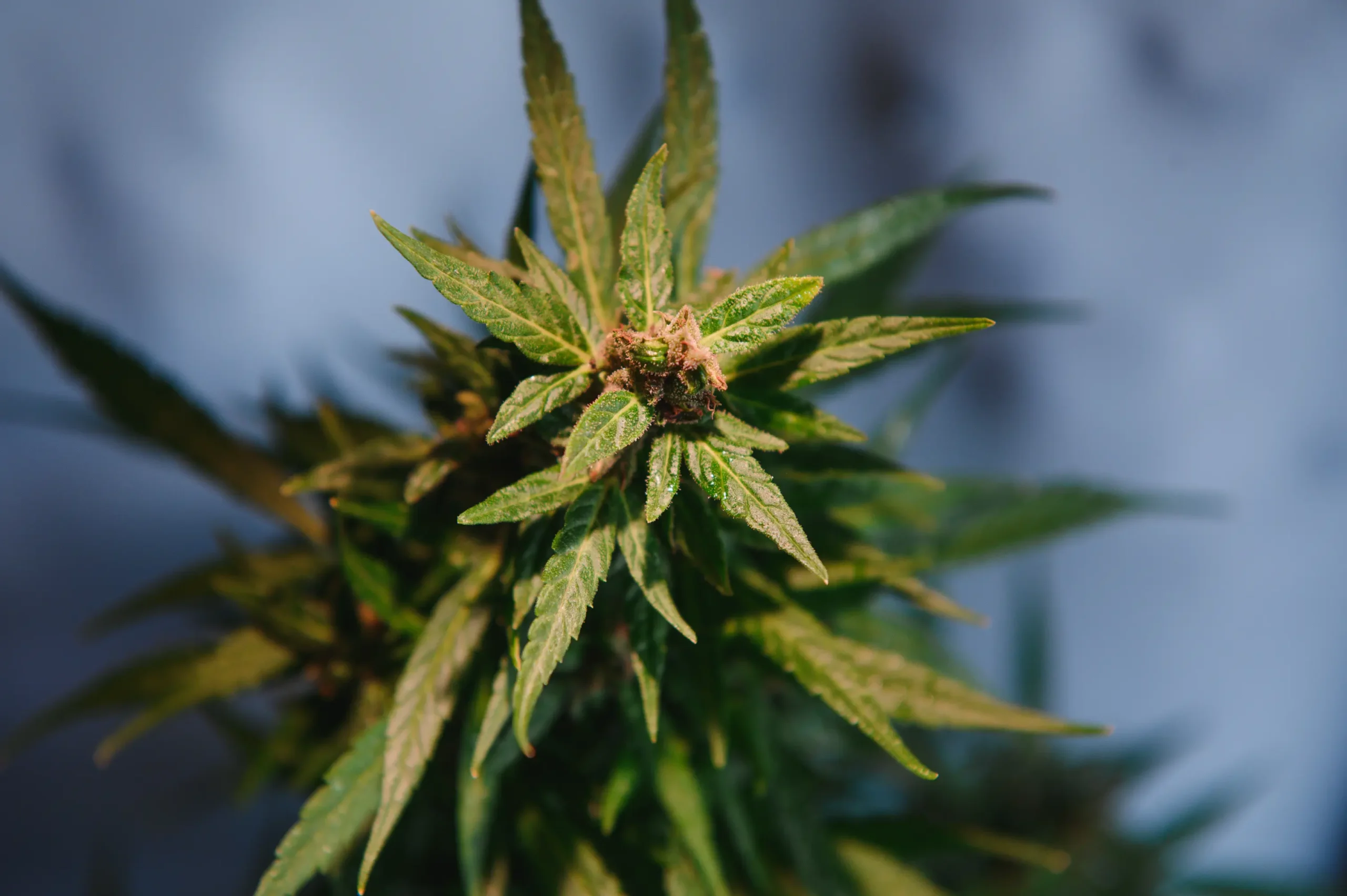
Calyx Density & Cold-Climate Frost (9.0/10): Alaskan Thunder Fuck presents a breathtaking, frost-encrusted bag appeal that reflects its northern heritage. The floral clusters develop into elongated, spear-shaped colas loaded with swollen calyxes, wrapped in a shimmering blanket of capitate-stalked trichomes and interwoven with fiery copper-red pistils. While retaining a sativa-dominant spear architecture, the buds are firm, dense, and foxtail-resistant, manicuring into sparkling boutique gems.
Aromatic Pungency & Terpene Persistence (9.4/10): The olfactory profile is an absolute knockout. It rejects modern sugary dessert trends, delivering an assertive, nose-clearing explosion of fresh crushed pine needles, cooling menthol, pungent roadkill skunk, wild mountain sage, and biting diesel fuel. High concentrations of alpha-pinene and myrcene create a penetrating aroma that lingers in the room for hours after a jar is unsealed, maintaining its pungency across months of glass curing.
Combustion Clarity & Palate Punch (9.0/10): Inhaling vaporized or combusted ATF delivers a remarkably pure, invigorating flavor experience. The draw coats the palate in sweet pine sap, tart lemon zest, and crisp eucalyptus, followed on the exhale by an earthy, peppery skunk and lingering hydrocarbon fuel finish. Properly flushed and slowly dried flowers burn cool and velvety smooth, leaving clean silver-gray ash without throat scratchiness.
Onset Velocity & Cerebral Elevation (9.3/10): The psychoactive onset is lightning-fast and undeniably uplifting. Within minutes, an expansive wave of cerebral energy and optimistic cheerfulness clears away mental fog, sharpening sensory perception and inspiring spontaneous creative flow. Unlike jittery, anxiety-inducing sativas, ATF remains grounded and focused, delivering clean daytime euphoria that energizes both mind and body.
Daytime Functionality & Motivational Utility (9.1/10): As a functional daytime cultivar, ATF is extraordinary. It stimulates dopamine pathways, relieves chronic fatigue, and elevates low mood while leaving the consumer fully articulate and physically capable of demanding tasks. Its secondary somatic relaxation eases joint stiffness and muscle tension without inducing couch-lock or afternoon grogginess.
Vegetative Vigor & Environmental Resilience (9.2/10): In the garden, ATF is a robust, responsive powerhouse. It possesses exceptional vegetative vigor, thriving under high-intensity 1000W HID lighting, and demonstrates superior natural resilience against foliar mildew and cool autumn temperatures. While its aggressive 2x transition stretch requires attentive canopy training, it rewards the cultivator with strong woody branches and rapid root development.
Commercial Harvest Mass & Extraction Quality (8.9/10): With indoor yields consistently hitting 450 to 550 g/m² and outdoor specimens clearing 700 to 900 grams per plant, ATF is a dependable commercial producer. Its brittle, resin-packed trichome heads wash exceptionally well in ice water extraction, yielding terpene-dense live rosin with a unique, pungent pine-diesel profile that commands premium connoisseur pricing.
Overall Weedth Score: 9.1/10. An authoritative, cold-hardy northern sativa masterpiece that pairs an electrifying cerebral high and nose-tingling pine-menthol-diesel bouquet with ferocious garden vigor, offering discerning cultivators an exhilarating and deeply rewarding grow experience.
FAQ
What is the most effective way to prevent Alaskan Thunder Fuck from stretching out of control indoors?
Managing ATF’s aggressive vertical stretch requires two essential tools: high blue photon intensity and early physical training. First, run your vegetative stage under high-output Metal Halide (MH) lighting (6000K to 6500K). The intense blue spectrum triggers cryptochrome photoreceptors and suppresses gibberellin synthesis, keeping internodes under an inch apart and building thick, woody stems. Second, execute a clean topping cut above node four or five during week three of veg, and install a horizontal SCROG trellis net on Day 1 of flower, actively weaving expanding shoots horizontally beneath the mesh throughout the first fourteen days of stretch.
What does ATF stand for?
ATF is the universally recognized acronym for Alaskan Thunder Fuck, the historic northern sativa hybrid bred in Alaska’s Matanuska Valley during the 1970s.
Is ATF the same as Matanuska Thunder Fuck?
Historically, the names Alaskan Thunder Fuck and Matanuska Thunder Fuck (MTF) are used interchangeably to describe the same regional lineage. However, in modern seed circles, MTF often refers to a squatter, more indica-dominant cut with heavier Afghani traits, while ATF typically denotes the taller, more energetic, pine-menthol sativa expression.
What is ATF’s exact lineage?
The authentic historical lineage of ATF is disputed. The most famous account describes an unknown Northern California sativa crossed into a cold-tolerant ruderalis line in the Matanuska Valley, with an exceptional Afghani indica introduced later in the late 1970s to add resin density and calyx mass.
Is ATF an autoflower because ruderalis is mentioned in its history?
No. Authentic Alaskan Thunder Fuck is a strictly photoperiod-dependent cultivar that requires a 12/12 light schedule to initiate flowering. The ancestral northern landrace genetics contributed foliar cold hardiness and rapid transpiration, not day-neutral automatic flowering.
Is ATF sativa or indica?
ATF is classified as a sativa-dominant hybrid, typically expressing a 65% to 70% sativa ratio. While it displays the physical branch strength and calyx density of an indica, its cerebral energy, elongated spear colas, and pine-diesel terpene profile reflect strong sativa heritage.
How long does ATF flower indoors?
Indoor flowering typically spans 60 to 70 days (8.5 to 10 weeks) under a 12/12 photoperiod. Sativa-leaning phenotypes often benefit from the full 65 to 70 days to achieve peak calyx swelling and optimal amber trichome maturity.
How much does ATF stretch?
Sativa-leaning ATF cuts will stretch between 180% and 220% of their pre-flip height during the first three weeks of 12/12. Compact Matanuska phenotypes stretch more moderately, expanding by roughly 130% to 150%.
Is ATF good for SCROG?
Yes, ATF is an outstanding candidate for Screen of Green (SCROG) cultivation. Weaving its flexible vegetative leaders beneath horizontal netting converts its natural apical dominance into an even table of twelve to sixteen illuminated vertical spear colas.
Should I top ATF?
Yes. Topping tall ATF phenotypes above node four or five during late vegetative growth is essential to control vertical height, encourage strong lateral branching, and prevent a single dominant central cola from pressing into overhead lights.
Can ATF grow in cold climates?
Yes. ATF possesses exceptional genetic tolerance for cool air temperatures, thriving in northern temperate zones where nighttime temperatures dip into the 40s (°F) during autumn. However, its root zone must remain warm and well-drained to prevent metabolic stalls.
Can ATF survive frost?
While ATF can withstand light overnight frost (32°F to 34°F) that would kill delicate dessert cultivars, exposing plants to hard, freezing temperatures below 28°F will rupture plant cells, stall ripening, and invite fungal decay. Plants should be harvested or sheltered under poly covers before severe freezes hit.
What is the biggest outdoor risk?
The primary outdoor threat in northern climates is prolonged cold rainfall combined with saturated soil in late September. Cold, waterlogged roots stall nutrient uptake, while direct moisture trapped between dense calyxes invites botrytis (bud rot).
Why is my outdoor ATF staying wet for so long?
Dense spear-shaped colas and morning dew trap moisture along the stems. Cultivators must plant ATF in open, elevated locations with full morning sun and steady prevailing breezes, or shelter mature plants beneath clear poly hoop covers.
Does ATF need heavy nutrients?
ATF is a moderate-to-heavy feeder that responds eagerly to nutrition during peak bulking, peaking at 1.7 to 1.9 mS/cm EC indoors. However, nitrogen must be reduced sharply after week four of flower to prevent dark, leafy buds and preserve the crisp pine aroma.
What does ATF smell like?
Properly finished ATF smells intensely of fresh crushed spruce and pine needles, cooling menthol, pungent roadkill skunk, wild mountain sage, and raw kerosene fuel.
What does ATF taste like?
On combustion, ATF delivers a crisp, refreshing draw of pine sap, tart lemon zest, and eucalyptus, followed on the exhale by an earthy, peppery skunk and clean diesel fuel finish.
What are ATF’s dominant terpenes?
ATF is dominated by alpha-pinene, beta-myrcene, beta-caryophyllene, D-limonene, and terpinolene, working in concert with volatile sulfur compounds to create its signature pungent bouquet.
Why did my ATF lose its pine smell after drying?
Alpha-pinene and terpinolene possess very low boiling points and evaporate rapidly if drying occurs in warm (above 68°F) or dry (below 50% RH) conditions. A slow, whole-plant hang at 60°F and 60% relative humidity for twelve to fourteen days is essential to preserve these volatile top notes.
Is ATF good for daytime use?
Yes, ATF is widely celebrated as one of the premier daytime cultivars in cannabis history. It delivers vibrant mental energy, focused motivation, and cheerful optimism without physical couch-lock.
Can ATF help fatigue?
Yes. ATF stimulates dopamine pathways and energizes the central nervous system, making it highly effective for overcoming chronic fatigue, brain fog, and midday lethargy.
Does ATF cause anxiety?
At moderate dosages, ATF is remarkably smooth and cheerful, with alpha-pinene counteracting cognitive disorientation. However, at very high dosages, its intense cerebral rush can feel overwhelming to individuals highly prone to panic.
Is ATF good for sleep?
No. ATF’s high cerebral energy and stimulating onset make it unsuitable for use immediately prior to sleep. It is best enjoyed during morning, afternoon, or early evening hours.
When should outdoor ATF be harvested?
In northern temperate zones, outdoor ATF typically reaches biological maturity between late September and mid-October. Inspect trichomes with a microscope and aim for 85% milky heads with 5% to 10% amber.
Should I harvest ATF in stages?
Yes. Harvesting top apical colas first and allowing lower branches an additional seven to ten days in full sun significantly improves the yield, density, and potency of secondary floral sites.
Is ATF beginner-friendly?
ATF is rated as moderate difficulty. While its root vigor and foliar disease resistance are forgiving, managing its vertical stretch indoors and navigating late-season autumn weather outdoors require active horticultural discipline.
Similar Strains
Jack Herer
A fellow titan of high-pinene sativa breeding, Jack Herer shares ATF’s uplifting, clear-headed cerebral focus and rich pine-herbal fragrance. While Jack Herer delivers more woody, peppery haze spice and takes slightly longer to flower, both cultivars represent the gold standard for functional daytime motivation.
Trainwreck
Hailing from Northern California, Trainwreck shares ATF’s fast, electric cerebral onset and pungent terpene clash of sweet lemon, pine needles, and spicy menthol. Trainwreck stretches even more aggressively with thinner branches, delivering a slightly racier, more disorienting head rush than ATF’s grounded euphoria.
Durban Poison
The iconic South African landrace sativa shares ATF’s high daytime functionality, sweet pine-anise aroma, and energetic focus. Durban Poison grows taller with lighter green calyxes and finishes slightly faster outdoors, lacking the heavy Afghani skunk and fuel undertones found in ATF.
Super Silver Haze
The legendary three-way Amsterdam champion (Skunk x Northern Lights x Haze) provides an equally profound cerebral lift with complex herbal, citrus, and skunky undertones. Super Silver Haze requires ten to eleven full weeks to finish, whereas ATF flowers more rapidly with heavier calyx density.
Sour Diesel
For consumers drawn to ATF’s raw hydrocarbon fuel and pungent roadkill skunk profile, Sour Diesel offers a kindred experience. Sour Diesel delivers intense, long-lasting daytime euphoria with a sharper, sour-chemical palate, stretching significantly more during the transition phase.
Northern Lights
Representing the indica foundation of northern breeding, Northern Lights shares ATF’s cold-climate resilience, dense resin production, and earthy pine flavor. While Northern Lights induces heavy evening sedation and muscle-melting couch-lock, ATF channels that same resinous power into an active, energizing daytime hybrid.
Share this article
A quick overview of the topics covered in this article.
Follow us
Latest articles
October 24, 2026
October 24, 2026
October 24, 2026
October 24, 2026