Far-Red Light in Cannabis Cultivation
For decades, commercial cannabis cultivators and indoor horticulturists operated under the foundational assumption that photosynthetically active radiation (PAR) ended abruptly at 700 nanometers. Radiation between 700 and 750 nanometers, classified as far-red light, was dismissed as metabolically useless because single-wavelength testing above 685 nm results in an immediate, precipitous collapse in photosynthetic carbon fixation, an optical phenomenon historically designated as the “red drop.” Conventional horticultural fixture manufacturers intentionally engineered optical filters and phosphors to omit far-red photons, asserting that these long wavelengths yielded nothing more than parasitic convective heat, weak cellular walls, and unmanageable vertical stem elongation.
Groundbreaking photobiological research conducted at Utah State University, Wageningen University, and leading agricultural photobiology laboratories has thoroughly dismantled this historical dogma. Far-red photons do not function in biological isolation. When delivered simultaneously alongside shorter visible wavebands (400 to 700 nm), far-red photons drive photosynthesis with quantum efficiency identical to traditional red and blue PAR light through a dual-photosystem synergistic phenomenon known as the Emerson Enhancement Effect. Furthermore, far-red radiation operates as a potent photomorphogenic master switch, dictating stem elongation, leaf surface lamina expansion, stomatal conductance, and floral initiation through the phytochrome photoreceptor signaling system.
However, harnessing far-red radiation within a commercial flowering room or controlled residential grow tent demands exacting biophysical precision. Applying far-red photons carelessly during early flowering can double internodal spacing, weaken structural xylem tissue, and produce loose, airy colas with degraded commercial bag appeal. Conversely, deploying far-red with deliberate stage-specific timing expands the canopy light-harvesting surface area, accelerates whole-canopy net photosynthetic rate, and significantly shortens the calendar days required to achieve complete trichome and floral maturity.
This comprehensive cultivation guide establishes an evidence-grounded framework for deploying far-red radiation in cannabis production. We examine the biophysical mechanics of the Emerson enhancement effect, analyze phytochrome photostationary state dynamics, evaluate continuous all-day supplementation versus targeted End-of-Day (EOD) pulses, outline chemovar-specific canopy management strategies, identify critical failure modes, and provide a verified field protocol complete with technical diagnosis and deployment checklists.
Direct Answer: The Dual Role of Far-Red Photons in Cannabis Cultivation
Far-red radiation (defined photobiologically as wavelengths spanning 700 to 750 nanometers, with primary horticultural utility focused at 730 nm) fulfills two distinct, highly consequential physiological functions in cannabis: it acts as a direct driver of photosynthetic carbon assimilation and as a morphological command signal. When integrated into high-intensity visible light, far-red photons accelerate whole-plant net photosynthesis by restoring thermodynamic balance between Photosystem II and Photosystem I. When manipulated independently, far-red alters the active-to-inactive ratio of phytochrome proteins, triggering cellular expansion, expanding light capture surfaces, or accelerating the plant perception of darkness.
Extended Photosynthetically Active Radiation (ePAR)
An updated horticultural metric defining photosynthetic light across the 400 to 750 nanometer waveband. Formally proposed following empirical canopy research by Dr. Shuyang Zhen and Dr. Bruce Bugbee at Utah State University, ePAR recognizes that 700 to 750 nm far-red photons drive photosynthetic carbon assimilation with equal quantum efficiency to traditional PAR (400-700 nm) when delivered concurrently with shorter-wavelength visible photons.
Cultivators must recognize that far-red light is not a direct substitute for visible photosynthetic light, nor is it an indiscriminate yield booster that can simply be cranked to maximum output. Achieving commercial success with far-red requires segregating two fundamentally different horticultural applications:
- Photosynthetic Acceleration (All-Day ePAR Strategy): Supplying a continuous, calibrated stream of 730 nm photons (representing 5% to 8% of total canopy photon flux) throughout the photoperiod. This harnesses the Emerson effect, balances photosynthetic electron transport, and promotes lateral leaf expansion during vegetative growth and late flower swelling.
- Photoperiodic Manipulation (End-of-Day Signaling Strategy): Delivering a short, concentrated 10 to 15-minute burst of pure 730 nm radiation immediately upon main light de-energization. This rapid optical intervention converts phytochrome photoreceptors into their dark state within minutes rather than hours, accelerating floral transition and compressing the flowering calendar.
Remember: Far-red photons supplied alone are incapable of sustaining viable plant growth. Under pure far-red light, Photosystem II reaction centers remain unexcited, linear electron transport collapses, and the plant behaves physiologically as though it were in total darkness. Far-red functions strictly as a synergistic amplifier of visible light.
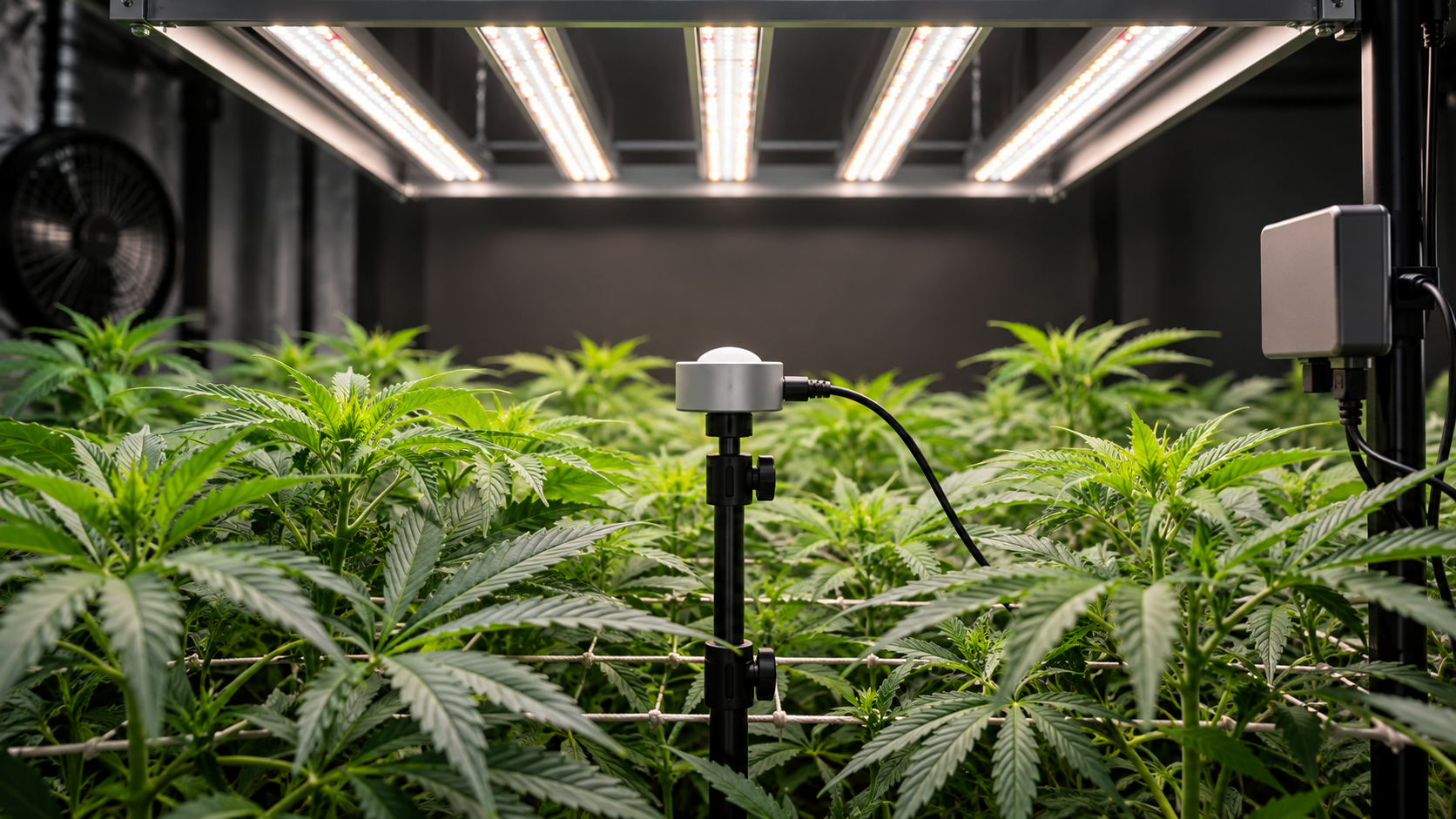
A common source of confusion in indoor facilities involves measuring instruments. Conventional quantum flux sensors (standard PAR meters) are optically filtered to block wavelengths above 700 nm. If you add 100 micromoles per square meter per second (μmol/m²/s) of 730 nm far-red light to a canopy receiving 800 μmol/m²/s of visible light, a traditional PAR meter will continue to display 800 μmol/m²/s. However, the plant canopy experiences 900 μmol/m²/s of usable ePAR. Cultivators utilizing far-red luminaires must utilize calibrated ePAR sensors or spectroradiometers to monitor true delivered photon dosages accurately.
The Emerson Enhancement Effect: Resolving the Photosystem I Bottleneck
To understand why far-red photons accelerate cannabis photosynthesis, one must examine the thylakoid membrane architecture of the chloroplast. Photosynthesis is powered by two light-harvesting protein supercomplexes operating in series: Photosystem II (PSII) and Photosystem I (PSI). For carbon fixation to proceed at peak quantum yield, electrons generated from the photolysis of water at PSII must pass through an electron transport chain to PSI, where they are re-energized to reduce NADP+ to NADPH and generate the proton gradient driving ATP synthesis.
The Excitation Imbalance in Indoor Grow Environments
Photosystem II and Photosystem I possess distinct optical absorption properties determined by their core pigment complexes:
- Photosystem II (P680 reaction center): Absorbs visible light strongly between 400 and 680 nanometers, peaking in blue (430-450 nm) and deep red (660 nm) wavebands. PSII has virtually zero photon absorption above 685 nanometers.
- Photosystem I (P700 reaction center): Possesses specialized long-wavelength chlorophyll forms that absorb efficiently out to 730 nanometers and beyond. While PSI can absorb shorter visible photons, it exhibits peak quantum excitation when supplied with far-red photons between 700 and 740 nanometers.
Most commercial indoor horticultural luminaires, including narrow-band “blurple” arrays, ceramic metal halide (CMH), and even broad-spectrum 4000K white phosphor LEDs, produce an abundance of visible photons (450-660 nm) with negligible output above 700 nm. Under this visible-heavy photon diet, Photosystem II is continually over-excited and light-saturated, while Photosystem I operates at an excitation deficit.
The Electron Transport Bottleneck and Non-Photochemical Quenching
When PSII generates electrons faster than an under-excited PSI can accept them, the intermediate electron carrier pool, specifically plastoquinone (PQ) and cytochrome b6f, becomes fully reduced. This backup creates a severe biophysical bottleneck. To protect the photosynthetic apparatus from lethal photo-oxidative destruction, the plant down-regulates PSII through Non-Photochemical Quenching (NPQ), intentionally shedding excess captured light energy as thermal heat.
Pro Tip: Introducing 730 nm far-red photons immediately clears the plastoquinone bottleneck. Far-red photons selectively excite PSI, causing it to accept electrons from the reduced plastoquinone pool with rapid kinetics. This oxidation re-opens PSII reaction centers, suppresses non-photochemical heat dissipation, and allows the entire visible photon stream to drive carbon fixation with maximum thermodynamic efficiency.
In controlled atmospheric chamber trials published by Zhen and Bugbee, supplementing 700-750 nm photons to a background of visible light increased canopy net photosynthetic carbon dioxide assimilation by up to 10% to 15% per absorbed photon. This mathematical gain in photosynthetic efficiency per unit of total absorbed energy explains why commercial cultivators report accelerated biomass gains when supplementing broad-spectrum white fixtures with calibrated 730 nm diodes.
Phytochrome Photostationary State: Pr, Pfr, and Shade Avoidance Physics
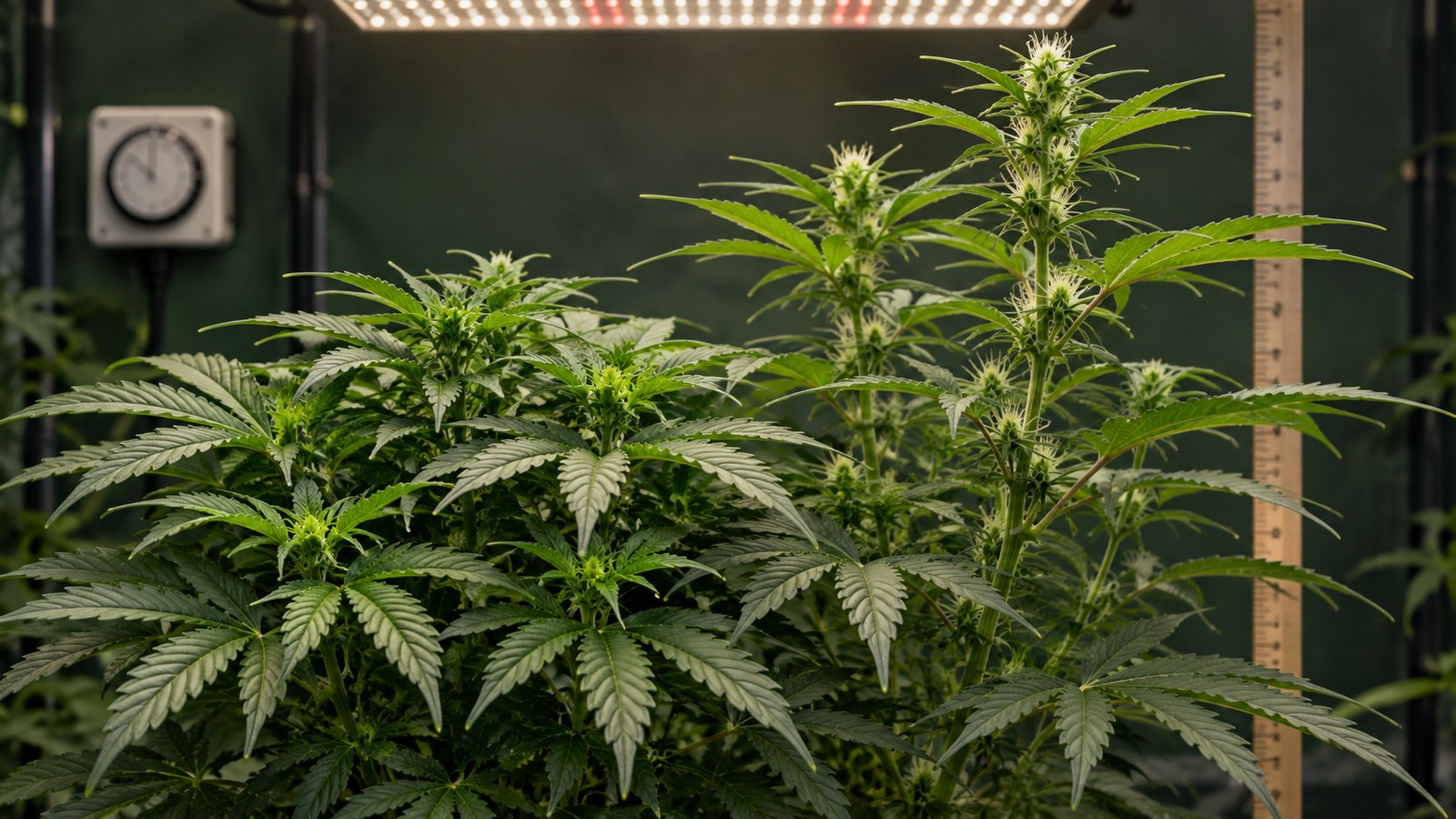
While the Emerson enhancement effect operates at the level of thylakoid biophysics, far-red light simultaneously governs plant architecture and developmental timing through the phytochrome photoreceptor system. Phytochromes are cytosolic chromoprotein dimeric sensors that exist in two photo-reversible conformational states:
- Pr (Phytochrome Red): The inactive, ground conformational state. Pr exhibits peak optical absorption at 660 nanometers. Upon absorbing a red photon, the chromophore undergoes a cis-trans photoisomerization, transforming into the biologically active Pfr form.
- Pfr (Phytochrome Far-Red): The physiologically active conformational state. Pfr exhibits peak optical absorption at 730 nanometers. Upon absorbing a far-red photon, Pfr converts rapidly back into the inactive Pr state. In addition to optical photoconversion, Pfr undergoes slow spontaneous thermal relaxation (dark reversion) back to Pr in the absence of light.
The Red to Far-Red Ratio (R:FR) and the Photostationary State (PSS)
Because the absorption spectra of Pr and Pfr overlap significantly across visible and near-infrared wavebands, lighting never converts 100% of the phytochrome pool into a single form. Instead, the plant establishes a dynamic equilibrium termed the phytochrome photostationary state (PSS), defined mathematically as the ratio of active Pfr to total phytochrome:
PSS = [Pfr] / ([Pr] + [Pfr])
In unshaded natural sunlight at midday, the ratio of red (660 nm) to far-red (730 nm) photons (R:FR) is approximately 1.2, establishing a PSS of roughly 0.70 to 0.72. Under these conditions, the predominant Pfr pool translocates into the cell nucleus, where it binds to and inhibits Phytochrome-Interacting Factors (PIFs), suppressing excessive stem elongation and maintaining compact branching architecture.
Low R:FR Ratios Trigger Aggressive Shade Avoidance Syndrome
In dense natural vegetation, upper green leaves absorb red photons for photosynthesis while transmitting far-red photons downward. Beneath the canopy, the R:FR ratio plummets below 0.5, collapsing the PSS below 0.60. Cannabis plants interpret this low PSS as an existential threat: they believe they are being over-canopied by competing vegetation. The plant releases PIF transcription factors, initiating explosive auxin and gibberellin synthesis that causes rapid stem cell elongation, petiole stretching, and apical dominance suppression. If triggered inadvertently in an indoor grow room, this results in unmanageable, fragile, leggy canopies.
Can supplemental far-red light induce intersex traits or hermaphrodites in female cannabis?
Question sent by: Ethan Brooks, via email.
Yes, under specific operational conditions. When far-red is applied in excessive ratios (exceeding 12% to 15% of total photon flux) or when far-red fixtures fail to fully de-energize during the 12-hour dark period, the disruption to phytochrome signaling alters endogenous auxin-to-ethylene balances. In modern poly-hybrid dessert cultivars that carry latent genetic hermaphroditic tendencies, this hormonal disturbance can trigger the emergence of staminate flowers (male “nanners”) in late bloom. Maintain far-red at 5% to 8% during the light period and verify total optical darkness during the night cycle to prevent intersex development.
Continuous All-Day Far-Red vs End-of-Day (EOD) Pulses: Operational Comparisons
A critical technical distinction that separates master growers from novice cultivators is understanding that all-day photosynthetic far-red and End-of-Day photoperiodic pulses are completely independent cultivation techniques. Each serves a distinct biological objective, utilizes different hardware timing, and produces different physiological outcomes.
Strategy A: Continuous All-Day Far-Red (Photosynthetic Driver)
In an all-day supplementation regime, 730 nm diodes run concurrently alongside primary broad-spectrum white luminaires for the entirety of the photoperiod (18 hours in vegetative growth, 12 hours in bloom). The objective is continuous photosynthetic enhancement through the Emerson effect and leaf blade expansion.
- Dosage Intensity: Far-red photons should comprise between 5% and 8% of the total ePAR photon flux (e.g., 50 to 70 μmol/m²/s of far-red beneath an 850 μmol/m²/s fixture).
- Target Phenotype: Increased canopy photosynthetic rate, enhanced light penetration into secondary canopy layers, and broader leaf lamina for photon capture.
- Optimal Application Window: Vegetative mother stock and late flowering (Weeks 4 through 8). It should generally be minimized or deactivated during early flowering stretch (Weeks 1 through 3).
Strategy B: End-of-Day (EOD) Far-Red Pulses (Photoperiod Trigger)
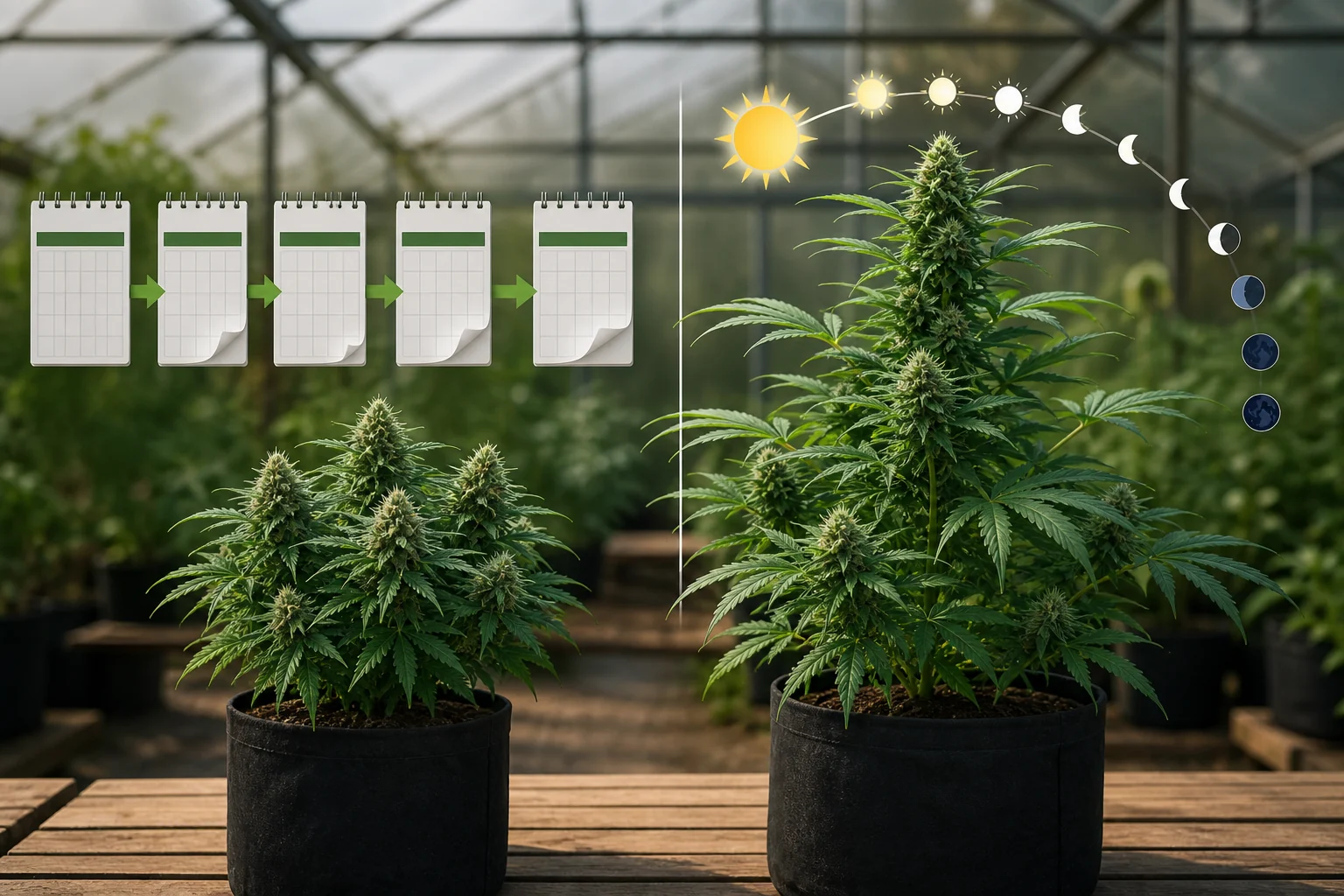
In an EOD strategy, far-red diodes are kept completely off throughout the photoperiod. The instant the primary cultivation lights turn off, dedicated 730 nm far-red fixtures illuminate the canopy for exactly 10 to 15 minutes before switching off into total darkness.
In natural dusk, the solar spectrum shifts toward far-red as direct sunlight scatters, signaling approaching nightfall. Under artificial lighting, when broad-spectrum lights click off abruptly, cannabis leaves contain high concentrations of active Pfr. It takes between 90 and 120 minutes of complete darkness for active Pfr to spontaneously revert back to inactive Pr through thermal dark reversion. During this two-hour interval, the plant does not perceive true night.
By flooding the canopy with a brief 10 to 15-minute pulse of pure 730 nm light at lights-off, all remaining Pfr is actively photocropped into Pr in under ten minutes. The plant immediately enters its dark physiological cycle, compressing the biological lag time and maximizing dark-period flowering hormone production.
Do
Isolate End-of-Day Far-Red on Independent Precision Timers
Control supplemental 730 nm bars using dedicated digital relays that trigger simultaneously with main light shut-off and automatically de-energize after 12 to 15 minutes.
Avoid
Permit Residual Diode Glow During the Dark Cycle
Never operate unshielded solid-state drivers that leak trickle voltage to far-red diodes when turned off. Even sub-micromole traces of far-red in the dark cycle sabotage floral rhythm.
Field Advice: Do not attempt to run both strategies simultaneously without testing your cultivar response first. Combining continuous all-day far-red with EOD pulsing on vigorous hybrid strains can cause unmanageable canopy stretch that overwhelms vertical ceiling clearance and trellising systems.
Canopy Architecture: Managing Internodal Stretch and Leaf Expansion Across Cultivars
Manipulating far-red light offers remarkable control over canopy morphology, but it requires active management. The physical response of cannabis to far-red radiation depends heavily on genetic lineage, growth stage, and accompanying environmental parameters.
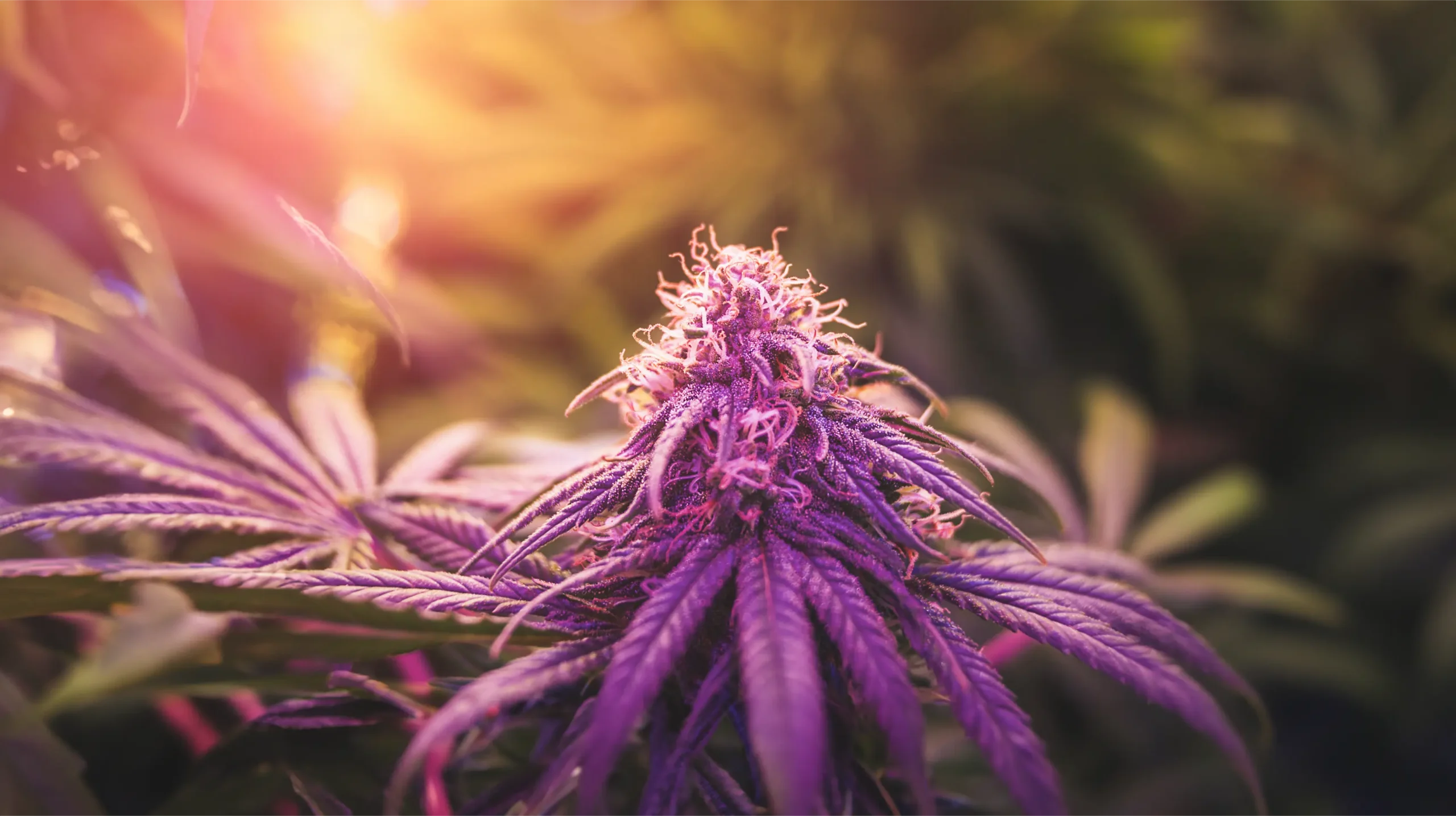
Leaf Lamina Expansion vs Internodal Elongation
When cannabis plants detect supplemental far-red radiation, two distinct morphological responses occur:
- Lamina Expansion (Desirable): Far-red light stimulates acid growth mechanisms in leaf epidermal cells, causing fan leaves to expand their horizontal surface area by 15% to 30%. Thinner, broader leaves capture a larger percentage of incident photons across horizontal trellising, accelerating canopy closure and increasing total room photosynthetic capture.
- Internodal Elongation (Variable Utility): Far-red triggers vertical elongation in main stems and side branches. While modest stretch is useful for opening tight vegetative canopies and improving airflow, excessive elongation during early bloom creates weak branches that cannot support heavy floral clusters without extensive physical staking.
Chemovar Lineage and Differential Sensitivity
Different cannabis genetic lineages display drastically different sensitivity to the phytochrome photostationary state:
- Broad-Leaf Afghanica (Indica Dominant): Naturally short, compact cultivars with tightly stacked nodes. These cultivars often benefit from moderate all-day far-red supplementation (5% to 7%) throughout vegetative growth to open up tight nodal clusters, extend petioles, and allow light penetration into lower floral sites.
- Narrow-Leaf Sativa & Poly-Hybrid Genetics: Naturally vigorous cultivars with extended stretch profiles (e.g., OG Kush, Haze, Sour Diesel, and Gelato hybrids). When exposed to far-red during the first three weeks of 12/12, these genetics can stretch by 200% to 300%, resulting in spindly, unmanageable branches and loose floral formation.
Staging Far-Red Application Across a Two-Tier Commercial Grow
In a commercial two-tier vertical facility with limited 4.5-foot vertical rack clearances, we ran an experimental comparison across identical clones of a vigorous Cake hybrid. In Room 1, we energized supplemental 730 nm bars at 8% total photon flux from Day 1 of the 12/12 flip. In Room 2, we kept the 730 nm bars completely switched off during Weeks 1 through 3, activating them on Day 22 once the initial vertical stretch naturally halted.
The takeaway: In Room 1, canopies stretched 38 inches, forcing us to dim the primary LEDs to prevent severe leaf bleaching against the upper bars. Colas developed wide 2.5-inch internodal gaps between calyx clusters. In Room 2, canopy stretch stabilized at an ideal 18 inches with tight 0.8-inch nodal spacing. When far-red was activated on Day 22, the Emerson effect drove massive floral swelling without inducing vertical elongation, yielding 18.4% more premium dry flower per square foot. The lesson is unequivocal: postpone continuous far-red until stretch cessation occurs.
Master Advice: To counteract unwanted far-red elongation during late vegetative growth, you can apply negative DIF (keeping day temperatures equal to or slightly lower than night temperatures) or increase the proportion of 450 nm blue photons. Blue light activates cryptochrome photoreceptors, which counteract phytochrome-induced stem elongation while allowing leaf lamina expansion to continue.
Because far-red radiation operates as both a direct photosynthetic driver and a photomorphogenic master switch, integrating 730 nm photons into your facility requires coordinating fixture selection with broader lighting cluster dynamics. Exploring our companion technical guides provides essential context on fixture engineering and spectrum balance:
When evaluated as part of a complete ePAR lighting strategy, understanding far-red mechanics allows commercial cultivators to compress flowering calendars while simultaneously boosting dry weight yield per square foot.
Flowering Acceleration: Reducing Production Days and Manipulating Photoperiod DLI
In commercial cultivation facilities, production economics are governed by cycle velocity and total Daily Light Integral (DLI). By leveraging End-of-Day (EOD) far-red pulses to bypass dark-reversion lag, cultivators can manipulate flowering induction and photoperiod duration with measurable financial benefits.
Accelerated Floral Induction and Harvest Timing
When photoperiod cannabis is switched to short days, floral induction is controlled by the CONSTANS-FLORIGEN biochemical pathway. High levels of active Pfr inhibit the expression of FLOWERING LOCUS T (FT), the mobile systemic protein signal (florigen) produced in leaves that travels to shoot apical meristems to trigger the transition from vegetative phyllotaxy to floral bud development.
By applying a 10 to 15-minute EOD far-red pulse at lights-off, cultivators rapidly deplete Pfr, removing the molecular brake on florigen transcription hours earlier each night. In practice, this accelerated signaling produces tangible cultivation advantages:
- Earlier Emergence of Floral Primordia: First visible pistillate calyx clusters consistently appear 2 to 4 days earlier compared to untreated controls under standard 12/12 lighting.
- Compressed Total Calendar: Commercial flowering duration is reduced by 3 to 6 calendar days depending on genetic lineage. For a 63-day cultivar, finishing at Day 58 preserves terpene profiles, cuts electrical costs, and enables facilities running five cycles annually to gain an entire additional production cycle every 24 months.
The 13.5/10.5 Photoperiod Strategy: Maximizing DLI
Because an EOD far-red pulse instantly forces cannabis into its dark physiological state, plants perceive a 10.5-hour physical dark period with the same hormonal intensity as a standard 12-hour dark period. This optical phenomenon unlocks the ability to alter commercial photoperiod schedules to a 13.5 hours on / 10.5 hours off regimen.
Extending the daily light schedule from 12 hours to 13.5 hours delivers an immediate 12.5% increase in Daily Light Integral (DLI) without requiring more powerful fixtures or higher instantaneous PPFD. For instance, operating at 900 μmol/m²/s for 12 hours yields a DLI of 38.88 mol/m²/day. Extending that same fixture to 13.5 hours delivers a DLI of 43.74 mol/m²/day. When paired with elevated ambient carbon dioxide (1,100 to 1,300 ppm), this additional photon accumulation directly accelerates flower mass accretion without causing vegetative reversion.
Can I use far-red lighting on autoflowering cannabis cultivars?
Question sent by: Julia Schneider, via contact form.
You can use continuous all-day far-red (5% to 8% ePAR) to capture the Emerson enhancement effect and stimulate broader leaves, but End-of-Day (EOD) pulses provide zero photoperiod benefit on autoflowers. Autoflowering cannabis is day-neutral; its floral initiation is governed by biological chronological age rather than phytochrome-mediated night perception. Running an EOD pulse on autoflowers will not speed up flowering time or induce faster ripening. Stick strictly to all-day supplemental ePAR to maximize photosynthetic biomass accumulation under an 18/6 or 20/4 schedule.
Failure Modes and Diagnostic Look-Alikes: Far-Red Stress vs Environmental Deficiencies
Because far-red radiation alters both morphology and hormonal signaling, symptoms of mismanaged far-red exposure are frequently misdiagnosed as environmental stress, nutrient deficiencies, or lighting failures. The following breakdown establishes clear operational boundaries to differentiate far-red failure modes from common look-alikes.
Primary Far-Red Failure Modes
- Extreme Internodal Etiolation: Induced by supplying high far-red (>10%) during seedling development or early bloom stretch. Stems become weak, hollow, and prone to mechanical lodging, requiring heavy trellising and stake support.
- Airy, Speared Flower Morphology: Continuous high far-red during mid-bloom forces individual floral calyxes to elongate rather than pack tightly into dense, rock-hard colas, drastically increasing commercial hand-trim labor.
- Delayed Dark Induction via Hardware Leakage: Solid-state LED drivers with poor grounding or capacitive coupling can allow far-red diodes to faintly glow even when switched off. This invisible near-infrared light leak disrupts the dark cycle, delaying flowering or inducing male anthers.
The comparative diagnosis matrix below allows cultivators to distinguish far-red over-supplementation from common environmental look-alikes:
| Observed Symptom | Suspected Far-Red Cause | Environmental / Nutrient Look-Alike | Differentiating Diagnostic Check |
|---|---|---|---|
| Excessive Vertical Elongation | Low R:FR ratio (< 0.8) during Weeks 1-3 of bloom | High Nitrogen (N) toxicity or high positive DIF (hot days, cool nights) | Check leaf color and tissue N. Far-red stretch exhibits normal light-green foliage; N toxicity produces dark clawed leaves. |
| Thin, Weak Lower Stems | Far-red shade avoidance triggered by canopy crowding | Lack of physical air movement or insufficient potassium (K) | Inspect canopy density. If upper canopy is dense, lower nodes stretch from transmitted far-red; test root-zone runoff K levels. |
| Loose, Airy Flower Clusters | Excessive all-day far-red (>12% ePAR) during peak floral swelling | Excessive room heat (>31°C / 88°F) or low PPFD intensity | Verify canopy temperature with infrared thermometer. If temperatures are optimal (25-27°C), spectrum far-red fraction is excessive. |
| Delayed Flowering / Male Nanners | Residual driver voltage causing nighttime diode glow | Visible room light leaks (timer failure, green indicator LEDs) | Enter room during lights-off with an infrared night-vision viewer or phone camera with IR filter removed to detect 730 nm glow. |
Can human eyes detect far-red light to check for dark leaks?
Question sent by: MapleGrower, via Facebook page.
Human retinal sensitivity drops off sharply above 700 nm. A 730 nm far-red diode operating at high power looks like a dim, faint cherry-red ember to human eyes, even though it is blasting hundreds of micromoles of photons. In a dark room, your eyes may adapt enough to spot faint red glows, but the safest method to verify complete optical dark shutdown is using a digital spectrometer, an optical power meter, or a smartphone camera without an IR blocking filter. If the camera detects a purple/red glow from the diodes in total darkness, electrical bleed is occurring.
The reference operational guide below outlines the recommended far-red delivery parameters across each developmental phase of the cannabis lifecycle:
| Growth Phase | Target Far-Red % | R:FR Ratio | Hardware Method | Primary Horticultural Objective |
|---|---|---|---|---|
| Seedling & Early Clone | 0% – 2% | > 5.0 (High Red) | De-energized | Suppress hypocotyl stretch, build thick stems and compact internodes |
| Vegetative Canopy Build | 4% – 6% | 1.8 – 2.5 | Continuous All-Day | Expand fan leaf lamina surface area to maximize horizontal photon capture |
| Early Bloom (Stretch: W1-3) | 0% – 2% | > 4.0 | De-energized or EOD Only | Suppress vertical stem elongation, keep internodal flower sites tightly stacked |
| Mid-to-Late Bloom (W4-8) | 6% – 8% | 1.2 – 1.6 | Continuous All-Day | Emerson enhancement effect, maximum carbon fixation, dense floral swelling |
| End-of-Day Transition | 100% (Isolated) | < 0.1 (Pure 730nm) | 10-15 Min Pulse at Dusk | Rapid Pfr-to-Pr photocropping, accelerated floral cycle, reduce calendar days |
The Repeatable Far-Red Protocol: Step-by-Step Deployment and Verification Checklist
To successfully integrate far-red radiation into your cultivation facility with predictable yield gains and zero crop degradation, execute this step-by-step technical protocol across every production cycle.
Step 1: Spectral Baseline and Sensor Calibration
Never deploy far-red based solely on manufacturer marketing wattages. Measure your canopy photon flux using an ePAR sensor (400-750 nm) or portable spectroradiometer. Calculate your fixture baseline far-red percentage by dividing the photon flux between 700 and 750 nm by total ePAR flux. Ensure baseline far-red does not exceed 5% during vegetative growth.
Step 2: Early Bloom Stretch Management
Upon switching flowering photoperiod to 12/12, de-energize supplemental far-red channels. Maintain high blue-to-far-red ratios throughout the first 21 days of bloom. If operating broad-spectrum fixtures with non-switchable integrated far-red diodes, lower daytime temperatures by 2°C to 3°C relative to night temperatures (negative DIF) to biochemically counteract stem elongation.
Step 3: Mid-Bloom Emerson Activation
On Day 22 of flowering (once vertical canopy stretch has ceased and floral crowns have formed), re-energize supplemental far-red channels at 6% to 8% of total ePAR. Maintain canopy temperatures at 26°C to 28°C (79°F to 82°F) with enriched carbon dioxide (1,000 to 1,200 ppm) to ensure rubisco carboxylation rates fully exploit the accelerated thylakoid electron transport chain.
Step 4: End-of-Day Pulse Execution and Verification
If utilizing the EOD acceleration strategy, program independent relays to fire dedicated 730 nm fixtures precisely when primary lights extinguish, running for exactly 12 minutes. Conduct a physical dark-room audit on Day 1: enter the grow room during the dark period 30 minutes after the pulse terminates to verify that zero residual phosphorescence, diode glowing, or status indicator LEDs remain active.
Far-Red Cultivation Field Verification Sequence
- Measure canopy spectrum using an ePAR-capable quantum meter (400-750 nm) rather than a legacy PAR sensor.
- Confirm far-red photon delivery does not exceed 8% of total ePAR during vegetative and late bloom phases.
- Completely de-energize or dim far-red diodes during Weeks 1 through 3 of bloom to prevent canopy over-stretching.
- If deploying End-of-Day pulses, set digital timers for exactly 10 to 15 minutes immediately at main lights-off.
- Audit the room during the 12-hour dark cycle using an infrared-sensitive sensor to confirm zero residual glow.
- Scout upper floral colas twice weekly between Weeks 3 and 6 for any signs of staminate structures or nanners.
- Maintain canopy temperatures between 26°C and 28°C (79°F to 82°F) to support elevated Photosystem I activity.
- Evaluate dry flower density at harvest to verify optimal calyx-to-leaf ratio before expanding protocol facility-wide.
Executing this stage-specific deployment sequence allows commercial cultivators to decouple far-red radiation from the historic fear of uncontrolled canopy stretching. By treating 730 nm photons as an active cultivation tool that is turned down during early stretch and energized during peak swelling, head growers unlock higher whole-canopy photosynthetic quantum yield without creating airy, fragile colas.
Furthermore, standardizing ePAR sensor verification across every flower room ensures that your lighting calculations accurately account for long-wave photons that traditional legacy PAR meters ignore, providing repeatable lighting data for facility SOPs.
Weedth Verdict: Far-red light is neither an unnecessary gimmick nor an uncontrolled risk. It is a precise photobiological dial. When managed with stage-specific control, 730 nm photons harness the Emerson enhancement effect, stimulate optimal canopy capture, and compress production calendars, delivering maximum harvest yield per kilowatt-hour of facility energy consumed.
Deploying advanced lighting strategies successfully demands harmonizing fixture engineering, biological timing, and whole-plant physiology. When you give each developmental phase the exact photon wavelengths it has evolved to utilize, your canopy rewards you with denser floral bracts, richer resin profiles, and shorter production turns.
To continue building your cultivation mastery with our companion foundational guides on indoor grow mediums, cannabis plant morphology, and environmental setup, explore our educational resources below:
Share this article
A quick overview of the topics covered in this article.
Follow us
Latest articles
October 28, 2026
October 28, 2026
October 28, 2026