
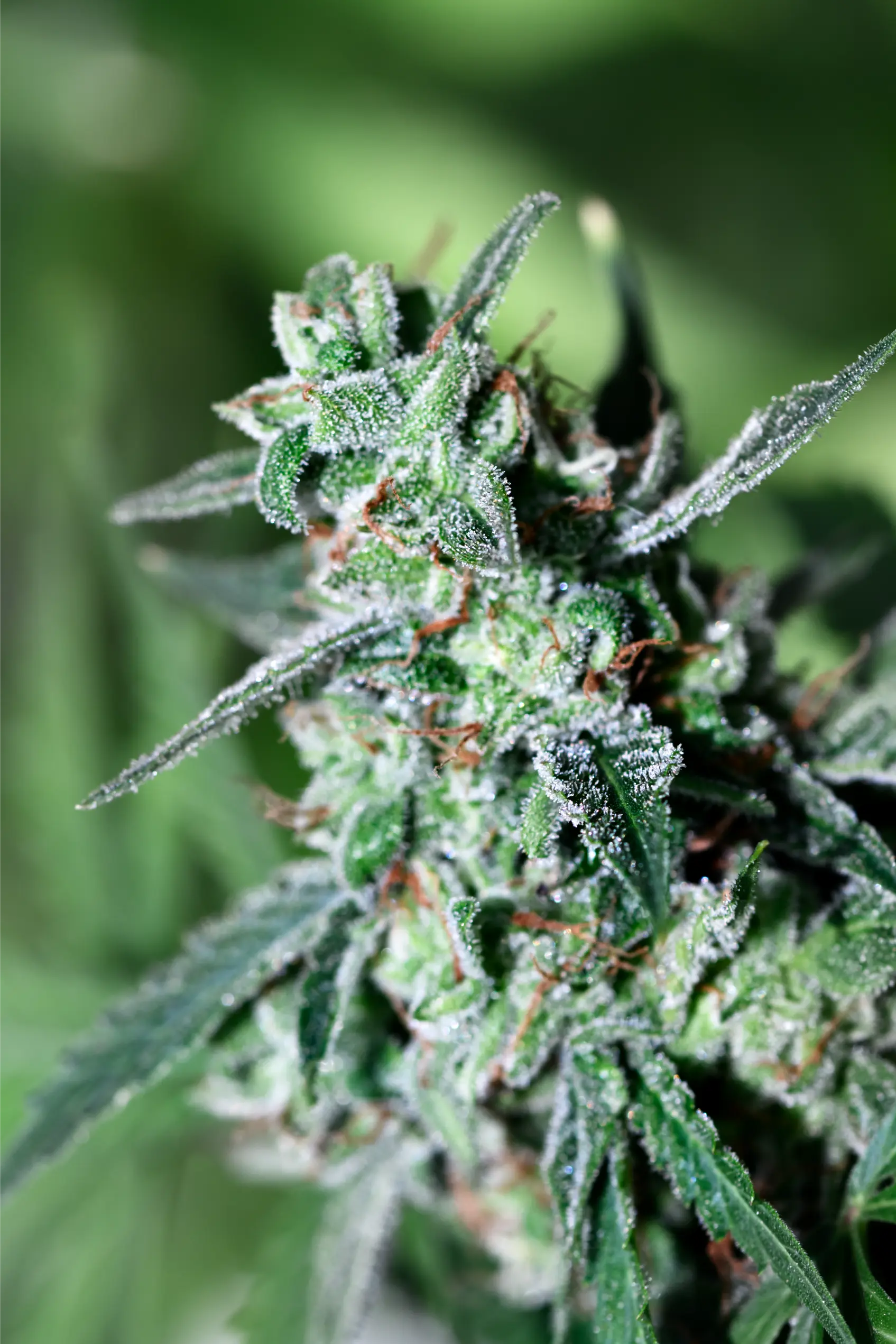
Does UVB Increase THC? What the Research Actually Shows
Few subjects in cannabis cultivation generate as much debate, commercial marketing hype, and conflicting anecdotal claims as ultraviolet B (UVB) radiation. For over three decades, online cultivation forums, equipment manufacturers, and grow manuals have repeated a compelling hypothesis: because cannabis evolved in high-altitude equatorial regions with intense solar ultraviolet exposure, supplementing indoor gardens with UVB light will trigger a protective stress response, causing plants to produce denser trichomes and significantly higher THC concentrations.
This theory sounds intuitive. In nature, plants synthesize secondary defense compounds to shield cellular machinery from environmental stressors. However, agricultural science requires testing intuitive hypotheses against controlled, peer-reviewed empirical evidence. Over the past several years, horticultural researchers at leading universities have subjected this claim to rigorous laboratory trials across multiple commercial cannabis cultivars, utilizing precise spectrophotometry, high-pressure liquid chromatography, and controlled environmental chambers.
The findings from modern university research directly challenge cultivation folklore. Repeated controlled trials demonstrate that supplemental UVB radiation does not reliably increase THC, CBD, or total cannabinoid concentration in mature cannabis flowers. Instead, excessive or improperly managed UVB exposure frequently causes severe photobiological damage, including chlorophyll degradation, reduced photosynthetic quantum yield, foliar necrosis, and measurable declines in total harvest biomass.
This resource examines what peer-reviewed research actually reveals about UVB radiation in cannabis cultivation. It traces how a single 1987 study spawned a multi-decade industry myth, breaks down the cellular mechanisms of plant photoprotection, evaluates the real-world findings of modern university experiments, highlights the severe human health and equipment risks associated with shortwave ultraviolet radiation, and establishes an evidence-based decision framework for indoor growers.
Direct Answer: The Scientific Consensus on UVB and Cannabinoid Potency
To answer the central question directly: current peer-reviewed scientific evidence does not support the claim that supplemental UVB radiation increases THC concentration in commercial cannabis. When rigorous scientific controls are applied to isolate ultraviolet radiation from other environmental variables, cannabis flowers grown with supplemental UVB show no statistically significant increase in cannabinoid potency compared to identical control plants grown under standard photosynthetic lighting.
Ultraviolet B (UVB Radiation)
The medium-wavelength band of electromagnetic ultraviolet radiation spanning 280 to 315 nanometers. UVB photons carry significantly higher energy than visible light, capable of directly damaging cellular DNA, proteins, and photosynthetic reaction centers in living organisms.
While ultraviolet radiation undoubtedly influences plant physiology, its primary biological effect is structural damage and generic stress signaling. The defensive adaptations mounted by cannabis plants against UVB occur predominantly through foliar flavonoids, phenolic compounds, and antioxidant enzymes accumulated within leaf epidermal cells, rather than through up-regulated cannabinoid synthase enzymes inside glandular trichome secretory heads.
Remember: Plant stress does not automatically equal higher cannabinoid production. While certain controlled environmental parameters (such as root-zone dry-down or vapor pressure deficit management) can modestly alter secondary metabolite concentration, acute abiotic stress that destroys photosynthetic machinery invariably reduces total yield and plant vitality.
Cultivators considering purchasing expensive UVB fluorescent lamps, reptile bulbs, or short-wavelength LED bars must weigh the lack of demonstrated potency gains against the verified risks: irreversible foliar burning, reduced dry weight, fixture degradation, and acute occupational safety hazards for anyone working inside the cultivation area.
The 1987 Lydon Study: How a Single Paper Created a 35-Year Cultivation Myth
To understand why the cannabis industry remains so committed to the idea of UVB potency enhancement, one must examine the scientific origin of the claim. In 1987, researchers John Lydon, Alan H. Teramura, and C. Benjamin Coffman published a paper titled “UV-B radiation effects on photosynthesis, growth and cannabinoid production of two Cannabis sativa chemotypes” in the journal Physiologia Plantarum.
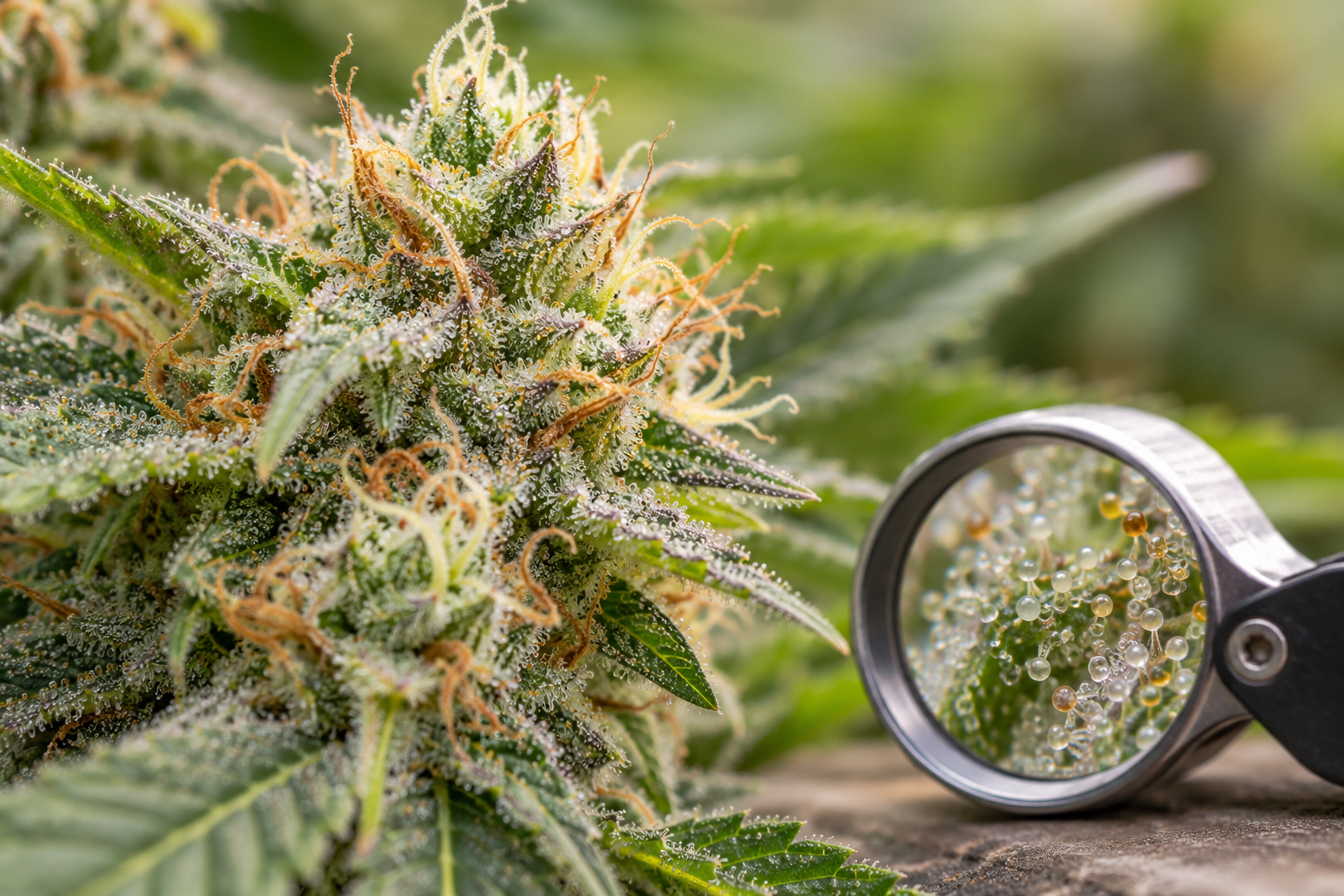
What the 1987 Lydon Study Actually Found
The Lydon research team evaluated two distinct chemotypes of cannabis: an industrial hemp fiber cultivar and a drug-type cannabis cultivar originating from Jamaica. The plants were grown in greenhouse conditions with supplemental daily UVB radiation. In their published results, the researchers reported that leaf tissue of the Jamaican drug-type cultivar exhibited an increase in THC concentration under high UVB exposure, while the industrial hemp cultivar showed no cannabinoid increase.
The authors hypothesized that tetrahydrocannabinol (THC) might serve as a protective ultraviolet sunscreen, shielding underlying leaf mesophyll tissues from solar radiation damage in high-altitude tropical environments.
The Methodological Limitations Behind the Legend
For decades, commercial equipment manufacturers cited the 1987 Lydon paper as definitive proof that UVB elevates THC. However, modern plant physiologists examining the study note critical methodological limitations that prevent its conclusions from being applied to contemporary indoor cultivation:
- Testing Vegetative Leaves Instead of Floral Buds: The 1987 experiment measured cannabinoid concentrations in vegetative fan leaves and young floral bracts. It did not evaluate fully mature, trimmed, dried floral colas harvested from modern commercial indoor cultivars.
- Extremely Low Baseline Cannabinoid Concentrations: The Jamaican drug-type cultivar used in 1987 produced baseline THC levels of approximately 1.5% to 2.5% in leaf tissue. An increase in a low-potency 1980s landrace does not translate to modern commercial indoor cultivars bred to express 20% to 30% THC.
- Filtration and Spectral Contamination: The fluorescent sunlamps used in 1987 emitted broader radiation bands, and the plastic cellulose acetate filters used to block shortwave UVC degrade rapidly under heat, creating potential confounding spectral variables.
Field Advice: Never base an expensive operational decision on a single study from the 1980s when modern replicated trials under controlled indoor LED conditions are readily available. Scientific truth evolves as testing technology and genetic baselines advance.
Modern University Trials: Controlled Testing from Guelph and Beyond
Following the widespread legalization of cannabis cultivation in Canada and numerous U.S. states, academic horticultural departments finally gained legal authorization to conduct rigorous, multi-replicate trials on modern indoor cannabis genetics. Chief among these was the controlled trial conducted by Dr. Victoria Rodriguez-Morrison, David Llewellyn, and Dr. Youbin Zheng at the University of Guelph, published in Frontiers in Plant Science in 2021.

The University of Guelph Landmark Study (2021)
The Rodriguez-Morrison research team set out specifically to test whether supplemental UVB increases cannabinoid concentrations in modern commercial cannabis. Working with indoor cultivation chambers, the researchers subjected two commercial cultivars (a high-THC cultivar and a balanced THC:CBD cultivar) to four distinct daily UVB exposure levels (ranging from 0 to 0.17 micromoles per square meter per second) delivered during the final 3.5 weeks of flowering.
The findings were definitive:
- Zero Cannabinoid Increase: Supplemental UVB radiation resulted in no statistically significant increase in THC, CBD, CBG, or any secondary cannabinoid concentration in mature harvested flower buds.
- Zero Terpene Increase: Total monoterpene and sesquiterpene concentrations showed no measurable improvement under any UVB treatment level.
- Visible Phytotoxicity: Plants subjected to higher UVB doses displayed progressive leaf curling, localized bleaching, chlorosis, and reduced canopy vitality.
The Volcani Center Research (Danziger & Bernstein, 2021)
Corroborating the Canadian findings, research led by Dr. Nirit Bernstein at the Volcani Center in Israel examined the impact of ultraviolet radiation on medicinal cannabis architecture and secondary metabolite profiles. The researchers evaluated plants cultivated under carefully controlled pharmaceutical standards, analyzing both inflorescence yield and specific cannabinoid ratios.
The Volcani Center trials revealed that ultraviolet supplementation failed to induce a uniform upregulation of cannabinoid production. While minor localized fluctuations in specific minor cannabinoids were occasionally detected, they did not translate into a statistically meaningful increase in major cannabinoids (THCA or CBDA). More critically, the research highlighted that ultraviolet exposure altered plant architecture unfavorably, inducing compact, stunted inflorescences with reduced calyx-to-leaf ratios.
Photobiology of Cannabinoid Biosynthesis: The Enzymatic Cascade
To understand why UVB radiation fails to increase THC, one must examine the enzymatic biochemistry of the glandular trichome. Cannabinoids are synthesized inside the disc cells located at the base of the trichome head through a two-step biochemical cascade:
- Precursor Synthesis: The convergence of the plastidial MEP pathway (producing geranyl pyrophosphate, GPP) and the cytosolic polyketide pathway (producing olivetolic acid).
- Enzymatic Alkylation: Geranyl pyrophosphate and olivetolic acid are condensed by an aromatic prenyltransferase enzyme to form cannabigerolic acid (CBGA), the central chemical precursor.
- Oxidocyclization: Specific oxidocyclase enzymes (THCA synthase, CBDA synthase) convert CBGA into final cannabinoid acids, which are subsequently secreted into the extracellular storage cavity.
None of the critical enzymes in this pathway (specifically aromatic prenyltransferase or THCA synthase) possess ultraviolet-responsive genetic promoter regions. Unlike chalcone synthase, which is directly triggered by UV photoreceptors to produce protective flavonoids, the cannabinoid biosynthetic pathway is regulated primarily by hormonal cues, developmental maturity, and baseline photosynthetic carbon availability.
Why do lighting manufacturers still claim UVB boosts THC by 3% to 5%?
Question sent by: Ethan Brooks, via email.
Commercial marketing moves much slower than academic science. Manufacturers have invested heavily in tooling and inventory for specialized UVB fluorescent fixtures and UV LED modules, and the 1987 Lydon study provides a convenient marketing narrative. Furthermore, cannabinoid lab tests have an inherent laboratory margin of error of +/- 1% to 2% THC between individual flower samples on the same plant. Cultivators testing a top bud that received high light often attribute that natural variation to their UVB lamp rather than to simple light intensity and positional variance.
The comparative matrix below summarizes the primary scientific studies examining ultraviolet radiation on cannabis, contrasting their experimental designs with their actual measured results:
| Study & Year | Institution | Experimental Design | Measured Cannabinoid Effect | Morphological & Yield Impact |
|---|---|---|---|---|
| Lydon et al. (1987) | USDA / Univ. of Maryland | Greenhouse sunlamps on Jamaican landrace & hemp | Reported THC increase in vegetative leaf tissue | Mild foliar damage; no flower yield evaluated |
| Rodriguez-Morrison et al. (2021) | University of Guelph (Canada) | Indoor chambers, 4 UVB doses, modern commercial cultivars | No significant increase in THC, CBD, or terpenes | Dose-dependent foliar chlorosis, necrosis, phototoxicity |
| Danziger & Bernstein (2021) | Volcani Center (Israel) | UVB & UVA supplementation on medical cannabis | No statistically consistent cannabinoid enhancement | Reduced photosynthetic efficiency (Fv/Fm), biomass stress |
| Llewellyn et al. (2022) | University of Guelph (Canada) | UV radiation across whole flowering cycles | Confirmed lack of cannabinoid response to UVB | Chlorophyll degradation, reduced dry flower weight |
Important: Notice the consistent pattern across modern trials: when cannabis is grown under modern broad-spectrum lighting, supplemental UVB produces zero measurable potency benefit while consistently inducing foliar cellular stress and depressing photosynthetic efficiency.
Photobiology and Trichomes: Do Cannabinoids Actually Function as Plant Sunscreen?
The foundational assumption behind the UVB myth is that glandular trichomes evolved specifically to act as ultraviolet shields for the plant. While glandular trichomes undoubtedly serve defensive purposes, evolutionary biology and analytical photochemistry reveal a very different reality.
Where UV Protection Actually Occurs in Cannabis
When higher plants face elevated ultraviolet radiation, they do not rely on oily surface secretions on floral bracts. Instead, protection occurs primarily inside the leaf epidermis. Plants up-regulate the phenylpropanoid pathway, synthesizing specialized UV-absorbing phenolic compounds, including:
- Cannflavins (A and B): Unique prenylated flavonoids produced in cannabis foliage that absorb strongly in the ultraviolet spectrum.
- Anthocyanins and Carotenoids: Pigments stored in epidermal vacuoles that act as optical sunscreens and scavenge reactive oxygen species (ROS).
- Enzymatic Antioxidants: Superoxide dismutase (SOD) and catalase synthesized to detoxify cellular free radicals generated by high-energy photons.
These protective compounds reside inside the cellular tissue of the leaf itself, not inside the resin head of a capitate-stalked glandular trichome.
The Real Evolutionary Role of Glandular Trichomes
Capitate-stalked glandular trichomes evolved primarily as physical and chemical deterrents against arthropod pests, fungal spore germination, and herbivores. The sticky, resinous matrix composed of cannabinoids, monoterpenes, and sesquiterpenes functions as a sticky physical barrier that traps insect pests, while aromatic terpenes act as feeding deterrents and insect repellents.
If UVB does not increase THC, does it make trichomes appear denser?
Question sent by: MapleGrower, via Facebook page.
Growers frequently observe what looks like increased “frost” under UVB lamps, but this is largely an optical illusion caused by photomorphological shrinkage. High-energy UVB photons stunt leaf cell expansion, causing the leaf surface area to contract. Because the leaf blade shrinks while the pre-existing trichome count remains relatively constant, trichomes become clustered closer together, creating the visual impression of higher resin density. Chemical lab assays confirm that total cannabinoid mass per gram of dry flower does not increase.
While THCA in pure liquid solution does absorb certain ultraviolet wavelengths, the enzymatic machinery responsible for synthesizing THCA (THCA synthase located in the secretory disc cells) is governed by plant maturity, genetic programming, and overall metabolic carbon availability, rather than direct UVB photoreception.
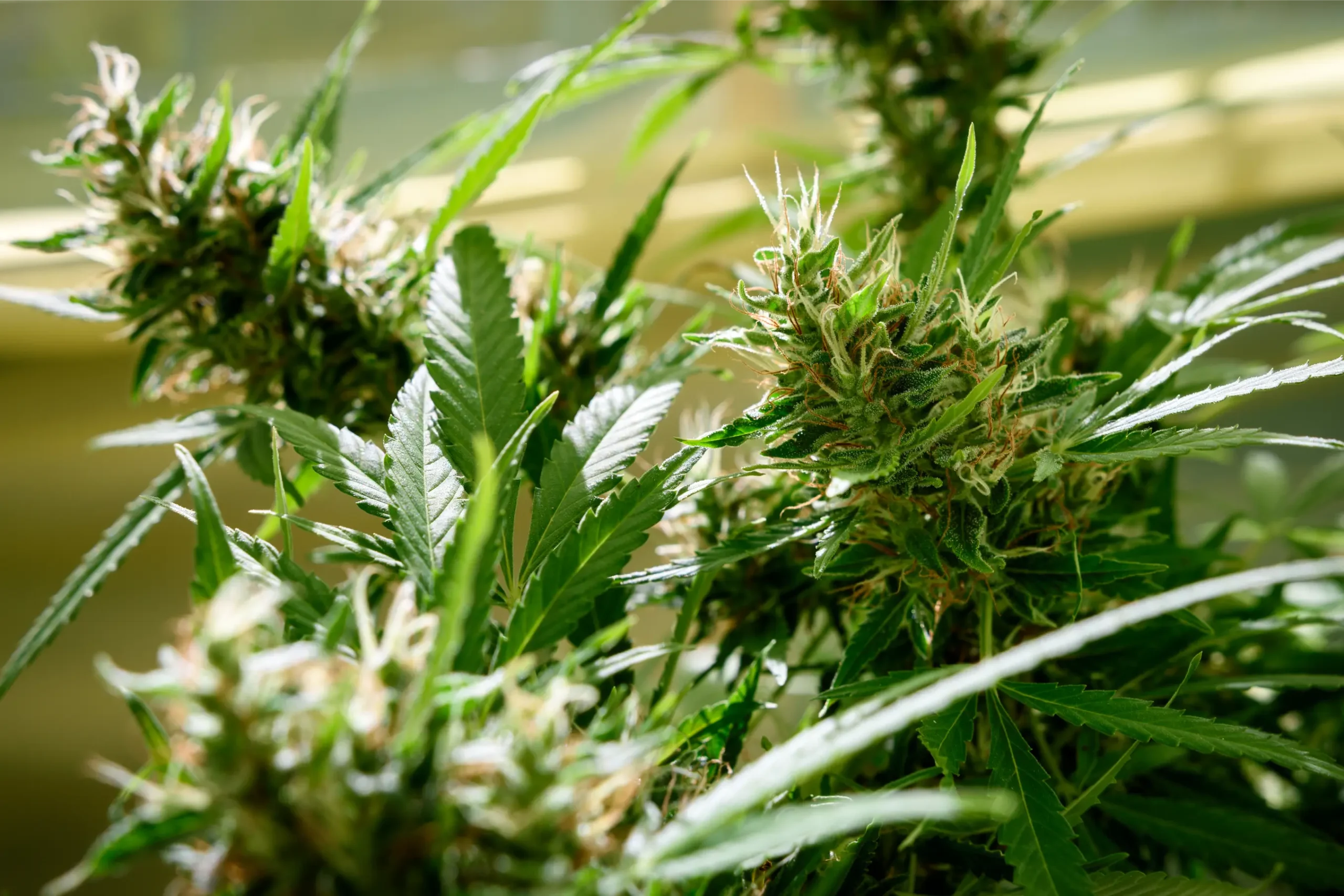
The Hidden Costs: Chlorosis, Reduced Photosynthesis, and Yield Loss
Cultivators often assume that even if UVB does not boost THC, adding a small amount “cannot hurt.” This assumption ignores the direct physical mechanism of UVB phototoxicity. Ultraviolet B photons carry enough quantum energy to break covalent chemical bonds, damage proteins, and alter DNA base pairing.
Disruption of Photosystem II (PSII)
The primary photosynthetic target of UVB damage is the oxygen-evolving complex and D1/D2 reaction center proteins of Photosystem II (PSII). When UVB photons strike the thylakoid membrane, they disrupt the electron transport chain, reducing photochemical efficiency (measured scientifically as maximum quantum yield of PSII, or Fv/Fm). When PSII reaction centers are damaged, the plant cannot process visible light efficiently, leading to chronic photoinhibition.
UVB Phototoxicity Reduces Total Harvest Dry Weight
Because UVB damages Photosystem II and forces plants to expend metabolic energy repairing cellular proteins, commercial trials report measurable declines in dry flower yield under supplemental UVB. In University of Guelph trials, higher UVB exposure caused premature leaf senescence, necrotic lesions, and lower final canopy weight. Burning your foliage with UVB reduces total harvest yield without raising cannabinoid percentages.
The table below provides a field diagnostic reference to distinguish actual UVB phototoxicity from common nutritional deficiencies and environmental stresses:
| Problem / Disorder | Visual Symptom Pattern | Primary Location on Plant | Key Diagnostic Distinctions |
|---|---|---|---|
| UVB Phototoxicity | Interveinal bronzing, brittle leaves, upward curling margins | Top canopy leaves directly beneath UV fixtures | Damage strictly limited to unshaded top surface; shaded lower leaves remain healthy |
| PAR Light Bleaching | Pure white/cream coloration on flower tips and upper foliage | Highest colas closest to high-intensity LEDs | Total loss of chlorophyll without immediate necrosis; tissue remains soft |
| Calcium Deficiency | Small, localized necrotic brown spots with yellow halos | New growth, upper leaves, and rapidly growing bracts | Spots appear throughout upper canopy regardless of direct light exposure angle |
| Ozone / Chemical Burn | Fine punctate stippling, flecking, and overall leaf bronzing | Uniformly across mature leaves exposed to air currents | Occurs on both shaded and exposed leaves; associated with ozone air purifiers |
Testing Supplemental UVB Fluorescent Tubes in Late Bloom
Following online forum advice, I mounted two high-output T5 UVB fluorescent fixtures in a 4×4 flowering tent, running them for four hours daily across the final three weeks of flower over a high-yielding hybrid cultivar. By Day 10 of exposure, the top fan leaves directly under the tubes had developed severe interveinal bronzing and upward curling leaf margins, resembling an acute calcium lockout. Meanwhile, lower shaded leaves remained completely green and turgid.
The takeaway: Third-party HPLC lab testing revealed identical cannabinoid concentrations: 22.3% total THC for the UVB-exposed plants versus 22.5% for identical control clones grown without UVB. However, the UVB-treated plants yielded 14% less dry trimmed flower due to premature leaf death and stunted cola development. The experiment proved that UVB in a home tent creates foliar damage and lower yield with zero potency benefit.
Before investing capital in supplemental radiation sources, cultivators must evaluate how ultraviolet wavebands interact with their broader lighting and environmental operating systems. Exploring our companion resources provides essential context on photosynthetic wavebands and operating economics:
Understanding these broader photobiological relationships allows cultivators to prioritize investments that produce tangible yield improvements rather than chasing unverified spectral gimmicks.
Human and Equipment Hazards: Eye Protection, Carcinogenic Risks, and Plastic Degradation
Beyond the absence of cultivation benefits, introducing supplemental UVB into an indoor garden introduces severe biological risks for cultivators and destructive physical degradation for equipment.
Acute Occupational Hazards for Cultivators
Human corneas and skin have zero natural tolerance for direct shortwave ultraviolet radiation. The hazards of working around unshielded UVB fixtures include:
- Photokeratitis (“Welder’s Flash”): Painful photochemical burning of the corneal epithelium. Symptoms include intense eye pain, extreme light sensitivity, tearing, and the sensation of coarse sand in the eyes, appearing 6 to 12 hours after exposure.
- Cataracts and Pterygium: Chronic low-dose UVB exposure induces protein cross-linking in the lens of the eye, accelerating cataract formation and corneal pterygium tissue growth.
- Erythema and Carcinogenesis: UVB is a classified Class 1 human carcinogen by the World Health Organization. It penetrates human skin epidermis, causing DNA pyrimidine dimer mutations that lead to basal cell carcinoma, squamous cell carcinoma, and malignant melanoma.
Do
De-Energize UV Fixtures Before Entering the Room
If operating experimental ultraviolet lighting, always turn off UV circuits before entering the space, or wear certified UV-blocking polycarbonate glasses and protective clothing.
Avoid
Rely on Standard Prescription Glasses or Sunglasses
Do not enter a room with operating UVB lamps wearing ordinary tinted glasses, which often lack optical side shields and certified ultraviolet filtration ratings.
Ozone Generation from Shortwave Discharge Tubes
Another overlooked hazard of supplemental UVB fixtures, particularly mercury-vapor or low-pressure fluorescent lamps lacking synthetic doped glass, is the generation of ground-level ozone (O3). If a lamp emits even trace radiation below 240 nanometers (in the shortwave UVC band), those photons photolyze atmospheric oxygen molecules (O2) into free oxygen radicals, which immediately bind with molecular oxygen to form ozone.
Ozone is a strong respiratory irritant that damages lung tissue in humans and causes acute foliar flecking and chlorosis in cannabis plants. In an enclosed, sealed grow room with recirculating air, unmonitored ozone accumulation can rapidly reach levels hazardous to both worker safety and plant health.
Equipment and Infrastructure Degradation
UVB photons break carbon bonds in polymers, a process known as photodegradation. In an indoor grow tent or room, continuous UVB radiation causes:
- Severe embrittlement and yellowing of nylon trellis netting, causing support lines to snap under heavy cola weight.
- Rapid degradation of plastic drip irrigation tubing, poly fittings, and zip-ties, leading to catastrophic irrigation line ruptures.
- Cracking and flaking of Mylar or white reflective polyethylene tent wall linings, destroying room reflectivity.
The Economic Verdict: Why Genetics and DLI Outweigh Supplemental UVB
When evaluating cultivation technology, commercial and home growers must focus on return on investment (ROI). Purchasing specialized UVB fluorescent luminaires or high-end UV LED bars requires substantial upfront capital expense (CapEx), recurring bulb replacement costs (UVB fluorescent phosphors degrade after 1,000 to 2,000 operating hours), and additional electrical operating costs.
Financial Analysis: The True Cost of Running UVB Lamps
To evaluate the economic reality of supplemental UVB, consider the financial breakdown of operating a dual-bulb T5 UVB fixture across a 4×4 flowering footprint:
- Upfront Capital Expense (CapEx): A commercial-grade two-lamp UVB fixture costs between $180 and $320.
- Phosphor Degradation and Replacement: Unlike white horticultural LEDs rated for 50,000 hours, specialized UVB fluorescent phosphors decay rapidly. Their effective ultraviolet output drops by 30% to 50% after only 1,000 to 1,500 hours of operation, requiring annual tube replacements costing $60 to $100 per cycle.
- Electrical Operating Cost: Drawing 108 watts for 4 hours daily across the final four weeks of flower consumes roughly 12.1 kWh. While the direct electricity cost is modest (approximately $2.20 per cycle at $0.18/kWh), the thermal load adds to room air conditioning demand.
- Yield Penalty: A conservative 10% reduction in harvest dry weight resulting from foliar phototoxicity on a 4×4 canopy (yielding 600 grams under standard conditions) represents a loss of 60 grams of dried flower. At an average retail or commercial value of $3 to $8 per gram, that yield decline represents an economic penalty of $180 to $480 per cycle.
When weighed against zero verified gain in lab-tested potency, adding supplemental UVB represents a net financial loss for commercial and craft cultivators alike.
What Actually Drives Cannabinoid Potency?
If UVB does not increase THC, what cultivation variables actually control cannabinoid production? Scientific research and commercial data demonstrate three dominant factors:
- 1. Plant Genetics (80% to 90% of Potential): Cannabinoid potency is hard-wired by the plant’s genome. A genetically superior clone will produce high cannabinoid levels under standard broad-spectrum lighting, while a poor genetic selection cannot be coerced into high potency by environmental stress.
- 2. Daily Light Integral (DLI) in the Visible Waveband: Photosynthetic photon flux density (PPFD between 400 and 700 nm) provides the actual carbohydrates required to fuel secondary metabolic pathways. Providing 800 to 1,000 umol/m2/s of balanced PAR light delivers vastly higher cannabinoid yields per plant than adding ultraviolet photons to an under-illuminated canopy.
- 3. Root-Zone Health and Environmental VPD: Maintaining stable root oxygenation, appropriate substrate electrical conductivity (EC), and optimal leaf-to-air vapor pressure deficit (VPD) ensures unimpeded nutrient uptake and metabolic vigor throughout flowering.
Does high-altitude outdoor cannabis prove that intense natural UVB creates higher THC?
Question sent by: Julia Schneider, via contact form.
This is a classic ecological correlation mistake. High-altitude regions (such as the Moroccan Rif or Himalayan valleys) certainly receive higher ambient UV radiation, but they also experience intense unattenuated solar PAR intensity, vast diurnal temperature swings (warm days and cold nights), and unique soil mineral dynamics. When modern researchers take those exact high-altitude landrace seeds and cultivate them in controlled indoor environments without any UVB, the plants express the exact same (or higher) cannabinoid profiles. The mountain environment did not require UVB to synthesize THC; the genetics already possessed that metabolic trait.
Pro Tip: Instead of spending $200 to $500 on supplemental UVB equipment, invest that capital into optimizing your main photosynthetic lighting (upgrading to high-efficacy 2.8+ umol/J broad-spectrum LED bars) or adding automated environmental controls to stabilize flower-stage humidity.
The Evidence-Based Cultivator Framework: Reviewing Claims and Verifying Results
Cultivators who wish to evaluate lighting claims scientifically should apply a structured evidence verification protocol rather than accepting marketing brochures at face value.
Tip: If you are testing any new lighting waveband in a craft facility, always maintain an isolated control group of identical clones receiving the standard spectrum under identical fertigation, VPD, and temperature to isolate spectral variables from positional room bias.
Evidence-Based Lighting Evaluation Protocol
- Check whether product claims cite peer-reviewed university trials on modern commercial cultivars rather than isolated 1980s leaf-tissue studies.
- Verify that reported potency gains exceed standard laboratory testing margin of error (+/- 1.5% THC variance between buds).
- Evaluate fixture spectrum data using an accredited integrating sphere report to confirm whether claimed ultraviolet output is UVA (315-400 nm) or true hazardous UVB (280-315 nm).
- Calculate total system efficiency: ensure supplemental specialty fixtures do not compromise your facility’s overall micromoles per joule (umol/J).
- Audit cultivation safety protocols: confirm complete eye and skin protection if any shortwave radiation equipment is operated.
- Monitor upper canopy leaves for signs of photoinhibition, bronzing, or brittle margins within 7 days of introducing any supplemental light source.
- Run side-by-side split trials using identical tissue-culture or clone genetics before adopting any specialty spectral recipe across an entire production facility.
Applying this scientific verification sequence protects commercial cultivation facilities from costly equipment missteps. When lighting salespeople present dramatic claims of 30% cannabinoid increases, demanding third-party peer-reviewed evidence and evaluating whole-room photosynthetic efficiency immediately separates biological reality from salesmanship.
Commercial growers who focus their operational resources on optimizing core cultivation drivers: dialing in daily light integral (DLI), matching root-zone electrical conductivity to growth stage, and preserving post-harvest monoterpenes through gentle drying parameters, consistently outperform facilities that rely on aggressive supplemental UV radiation to compensate for foundational shortcomings.
Weedth Verdict: Modern scientific research has decisively answered the UVB question: supplemental UVB radiation does not reliably increase THC concentration or cannabinoid yield in drug-type cannabis. Operating high-intensity UVB lamps adds severe operational risks, including photosystem inhibition, canopy chlorosis, significant dry yield loss, fixture degradation, and serious occupational health hazards for garden staff. Cultivators seeking maximum potency, terpene complexity, and return on investment should invest in elite genetics, optimized PAR/ePAR photon flux, and precise climate control rather than chasing thirty-five-year-old spectral myths.
Elevating cultivation performance requires grounding garden operations in peer-reviewed photobiology rather than forum folklore. When you eliminate counterproductive spectral stressors, your plants allocate their full metabolic budget toward rapid vegetative growth, dense floral development, and maximal resin synthesis.
To deepen your cultivation knowledge with foundational guides on crop nutrition, plant morphology, and environmental controls, explore our core educational resources:
Share this article
A quick overview of the topics covered in this article.
Follow us
Latest articles
October 28, 2026
October 28, 2026
October 28, 2026
October 28, 2026
