Can Cannabis Runoff Be Reused Safely? Recirculation Chemistry, Pathogen Risks, and Treatment Protocols
In commercial cannabis cultivation, irrigation management generates substantial volumes of drainage leachate. In conventional drain-to-waste fertigation systems operating in rockwool, coco coir, or peat substrates, growers routinely target a 10% to 25% runoff fraction with every irrigation event to flush out accumulated salts and maintain stable root-zone electrical conductivity (EC). At scale, discharging this nutrient-rich runoff into municipal sewer systems or agricultural drain fields wastes thousands of gallons of purified water, discards expensive specialty fertilizers, and introduces high concentrations of nitrate and phosphorus into local ecosystems. Consequently, cultivators frequently ask a pivotal operational question: Can cannabis runoff be captured, treated, and reused safely? The direct answer is yes, but only under strictly controlled engineering, filtration, sterilization, and chemical rebalancing protocols. Pouring raw, untreated runoff back onto cannabis crops is one of the most dangerous shortcuts an operator can take, almost guaranteed to circulate virulent root rot pathogens, accumulate toxic ballast salts, and trigger severe nutrient lockouts. To reuse runoff safely, a facility must treat drainage water not as free fertilizer, but as contaminated raw wastewater requiring precise physical and chemical remediation.
The Core Physical and Chemical Metrics of Cannabis Runoff
Evaluating whether drainage water can be safely re-circulated begins with understanding the radical biochemical changes that occur as a nutrient solution passes through a living cannabis root zone. Irrigation water entering the pot is sterile, chemically balanced, and oxygen-saturated. Drainage water exiting the bottom of the container, by contrast, is a biologically active, chemically distorted effluent shaped by selective plant ion absorption, microbial respiration, and root exudation. To determine reusability, operators must track seven fundamental water-quality parameters:
- Electrical Conductivity and Delta EC (ΔEC): Runoff EC is rarely identical to input feed EC. As plant roots absorb water faster than mineral salts under high vapor pressure deficits, remaining ions become concentrated. If runoff EC exceeds input by more than +0.8 dS/m, the leachate possesses excessive osmotic pressure that must be diluted before reapplication.
- Substrate pH Drift and Carbon Dioxide Outgassing: Root epidermal cells exchange hydrogen ions (H+) for absorbed cations and bicarbonate (HCO3–) or hydroxide (OH–) for absorbed anions. This biological exchange alters leachate pH. Furthermore, fresh runoff contains high dissolved CO2 from root respiration; as runoff sits in open collection trays, CO2 outgasses into the air within minutes, causing false pH spikes.
- Sodium and Chloride Accumulation: Cannabis absorbs minimal sodium (Na+) and chloride (Cl–). When source water contains even modest background levels of these ions (e.g., 20 ppm Na and 30 ppm Cl), they pass through the pot unabsorbed. In a closed recirculating loop, their concentration doubles with every cycle, rapidly reaching phytotoxic levels.
- Unbalanced Cation Ratios (K:Ca:Mg Distortion): Cannabis plants selectively consume vast quantities of potassium during flowering, while absorbing calcium and magnesium at lower, steadier rates. Consequently, runoff water is severely depleted in potassium but relatively enriched in calcium and sulfate, destroying the carefully balanced elemental ratios of the original fertilizer.
- Dissolved Organic Carbon (DOC) and Root Exudates: Roots slough off dead epidermal cells, border cells, and polysaccharide mucilage, while releasing low-molecular-weight organic acids (malate, citrate). This dissolved organic carbon acts as an energy source for aquatic bacteria, drastically increasing the Biological Oxygen Demand (BOD) of the water.
- Dissolved Oxygen (DO) Depletion: Living root hairs and rhizosphere microflora consume dissolved oxygen continuously. Runoff leachate exiting containers typically registers hypoxic DO levels between 1.0 and 3.0 mg/L, compared to 8.5 to 10.0 mg/L in fresh feed water.
- Pathogen Propagule Density: Runoff water is the primary transmission vector for water-borne plant pathogens, including motile zoospores of Pythium and Phytophthora, microconidia of Fusarium, and systemic viroids.
The Agronomic Law of Ballast Ion Accumulation
The single most destructive chemical hazard in closed-loop runoff recirculation is the exponential accumulation of non-essential “ballast” ions – primarily sodium (Na+) and chloride (Cl–). While essential ions (nitrate, potassium, phosphorus) are selectively assimilated into plant tissue, cannabis actively excludes sodium at root cortical membranes via SOS1 (Salt Overly Sensitive) efflux pumps. In an un-purged recirculating loop, sodium and chloride ions remain trapped in the liquid phase. Within three to four recirculation cycles, sodium concentrations can exceed 100 mg/L (ppm), inducing severe osmotic drought stress, burning leaf margins, and competitively blocking potassium and calcium uptake.
Selective Nutrient Depletion and Ratio Drift
When cultivators attempt to reuse runoff simply by adding a standard multi-part fertilizer until the target EC is restored, they create catastrophic elemental imbalances. In mid-flowering, a vigorous cannabis plant might strip 65% of the potassium and 50% of the nitrate out of an irrigation pulse, while absorbing only 20% of the magnesium and sulfate. The resulting runoff has an altered elemental profile: high magnesium, high sulfate, high calcium, and severely depressed potassium.
If the grower tops up this unbalanced solution with a standard balanced bloom formula, the next irrigation event delivers a massive excess of magnesium and sulfate, while potassium remains inadequate. Over consecutive recirculations, this selective depletion triggers Mulder’s antagonism: surplus magnesium competitively suppresses potassium uptake at the root interface, causing rapid lower-canopy interveinal chlorosis and margin necrosis that growers mistakenly diagnose as potassium deficiency.
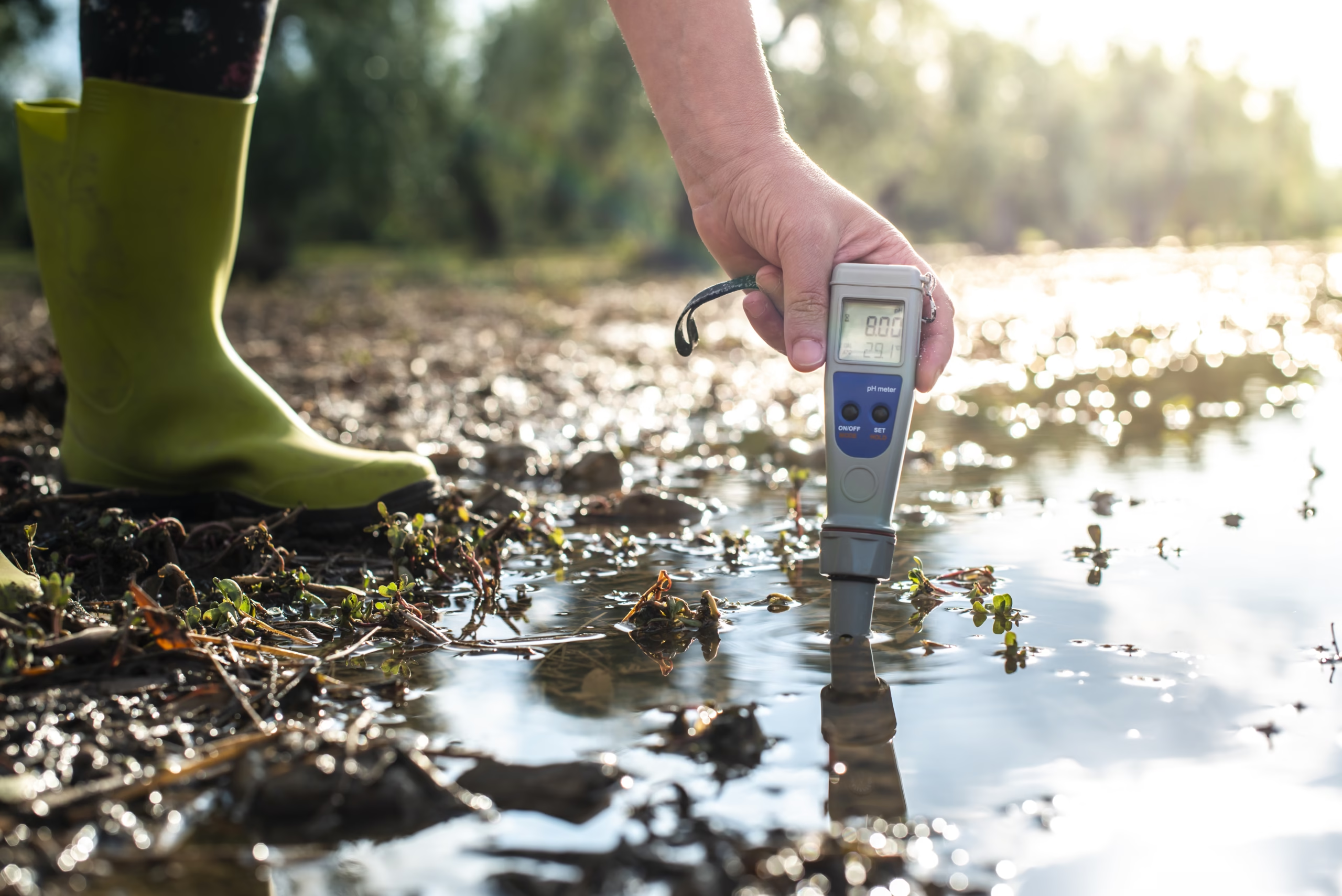
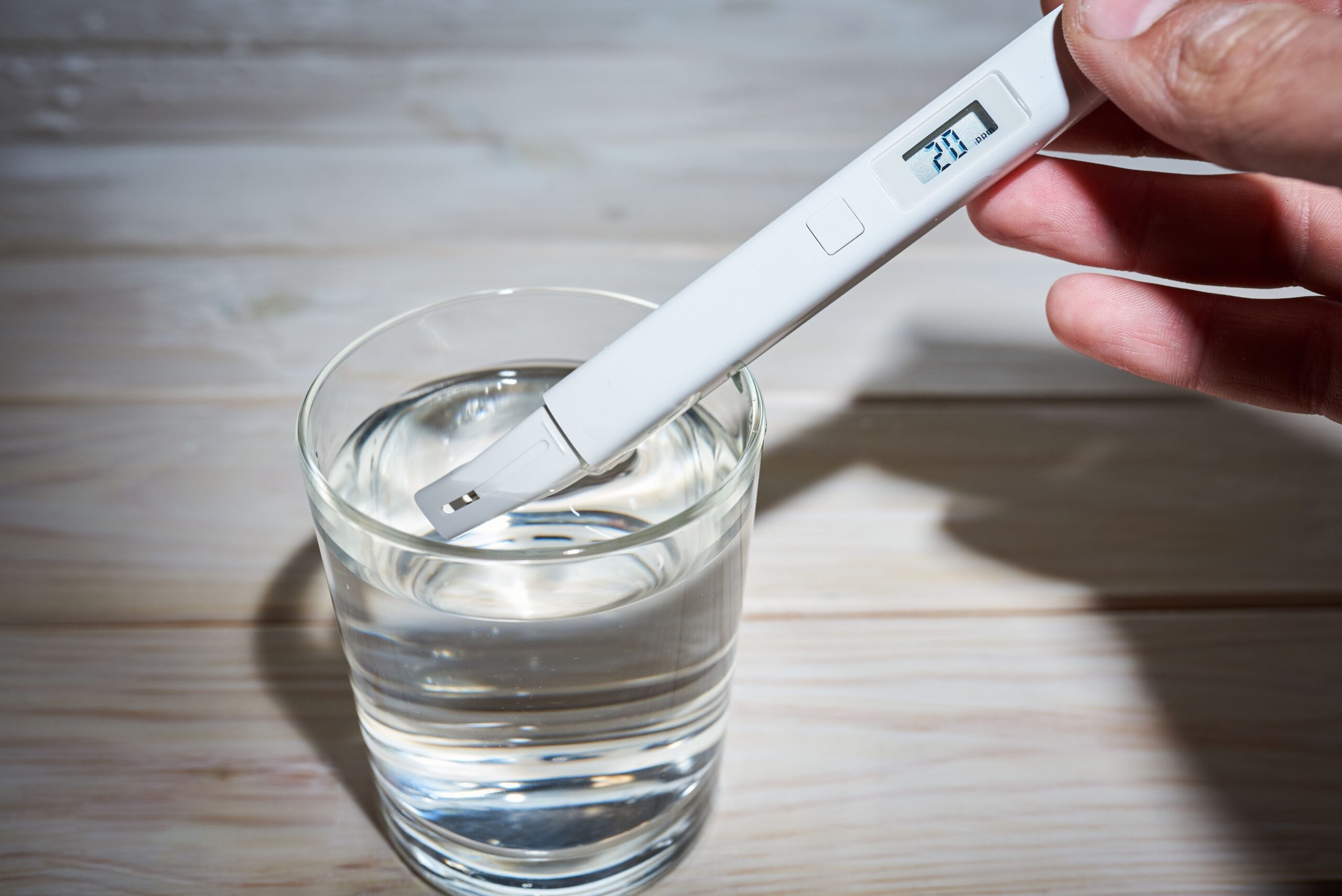
Testing composite leachate electrical conductivity, pH, and dissolved oxygen before evaluating closed-loop reapplication.
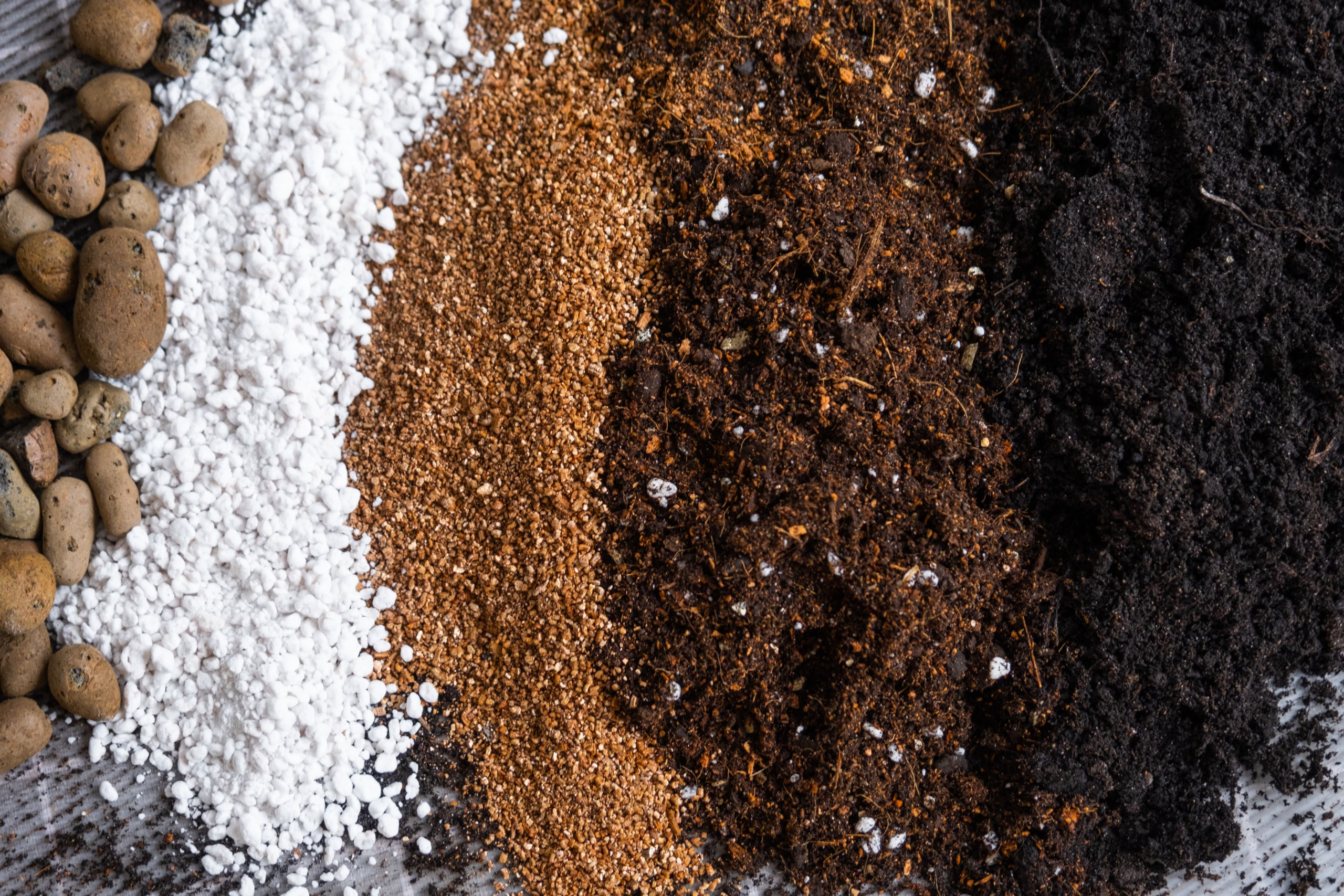
Substrate and System Variables: Rockwool vs Coco vs Living Soil
The physical substrate dictates the contamination profile and chemical complexity of the drainage effluent, determining whether closed-loop reuse is economically and technically viable:
1. Inert Mineral Wool (Rockwool): The Ideal Recirculation Medium
Rockwool (spun basaltic rock fiber) is the gold standard medium for closed-loop wastewater capture. Rockwool fibers possess zero Cation Exchange Capacity (CEC), contain zero organic matter, and release negligible particulate debris into the drainage stream. Drainage leachate from rockwool consists almost exclusively of dissolved inorganic ions and clean root exudates. Rockwool runoff is easily filtered through 50-micron mechanical disc filters and possesses high optical clarity (ultraviolet transmittance, or %UVT, typically exceeding 85%), allowing high-efficiency UV sterilization systems to eradicate water-borne pathogens with minimal energy expenditure.
2. Buffered Coco Coir: Moderate Complexity and Cation Leaching
Coco coir presents substantial physical and chemical challenges for runoff recovery. As an organic medium derived from coconut husks, coco continuously sheds microscopic lignin and cellulose fibers, fine dust, and natural tannins into the drainage stream. These suspended solids rapidly blind micro-screen filters and coat the quartz sleeves of UV sterilizers, dropping UV transmittance below 50% and shielding fungal zoospores from disinfection.
Furthermore, coco coir possesses a high natural Cation Exchange Capacity (60 to 90 cmol/kg) dominated by potassium and sodium adsorption sites. Even pre-buffered coco steadily exchanges cations with the fertigation solution, releasing surplus potassium and sodium into the runoff while adsorbing calcium. Capturing and reusing coco runoff requires extensive multi-stage mechanical settling tanks, centrifugal sand separators, and regular chemical adjustments to compensate for continuous calcium adsorption.
3. Living Organic Soil: Non-Reusable in Closed Hydroponic Loops
Drainage leachate from living organic soil beds or compost-amended potting mixes is completely unsuited for automated closed-loop recirculation. Living soil runoff contains dense concentrations of dissolved humic and fulvic acids, colloidal clay particles, suspended organic compost silt, and trillions of live and dead microorganisms. This dark, tea-colored liquid has a UV transmittance of near zero, rendering UV sterilization completely useless.
Furthermore, the organic carbon load triggers immediate microbial fermentation if stored in holding tanks, rapidly turning anaerobic and producing foul-smelling volatile fatty acids (butyric and acetic acids). Living soil drainage should never be pumped back into clean automated drip systems; instead, collect soil runoff and redirect it to outdoor non-crop landscaping or composting piles.
Can I dump my daily coco runoff directly back into my main fertilizer reservoir to save money?
Question sent by: Tyler Brooks, via email.
“I run a 50-light indoor room in 3-gallon coco pots. We generate about 40 gallons of 20% runoff every day at 2.2 dS/m EC. To cut my fertilizer bill and conserve water, can I just pipe the drain trays directly back into my main 200-gallon mix reservoir and top it off with fresh nutrients?”
Dumping raw, untreated runoff directly back into your primary fertilizer reservoir is an operational trap that will almost certainly lead to crop failure within 10 to 14 days. When you recycle untreated runoff, three compounding disasters occur simultaneously.
First, runoff contains microscopic root fragments, sloughed cell mucilage, and living organic biofilms. When pumped into your main reservoir, these organic carbon compounds feed aquatic heterotrophic bacteria, which consume all available dissolved oxygen within 12 hours. Your main reservoir will turn cloudy, smell sour, and develop rubbery slime that clogs your drip emitters.
Second, if a single plant in your 50-light room has an active root infection of Pythium ultimum or carries Hop Latent Viroid (HLVd), that pathogen sheds trillions of infectious propagules into the drain tray. By piping that water back into your main tank, you act as an automated disease distribution network, inoculating every healthy plant in the facility within a single feeding cycle.
Third, the elemental balance of runoff is heavily distorted: plants consume nitrogen and potassium while rejecting sodium, chloride, and excess sulfates. Adding fresh fertilizer to this distorted base causes cumulative salt buildup and severe nutrient antagonisms. To reuse runoff safely, you must capture it in an isolated holding tank, filter it down to 25 microns, sterilize it with high-dose UV or ozone, test its chemistry, and blend it with at least 50% fresh RO water and targeted single-element corrections.
The Biological Risk Profile: Pathogen Transmission and Biofilms
The primary barrier to closed-loop irrigation in commercial horticulture is phytosanitary safety. In open drain-to-waste systems, any soil-borne pathogen infecting a plant root is washed out of the container and discarded down the drain, localizing the infection. In closed-loop recirculation, the irrigation system connects every plant vascular system in the facility into a single continuous aquatic circuit:
1. Water-Mold Oomycetes (Pythium and Phytophthora)
Species of Pythium (such as P. ultimum and P. aphanidermatum) and Phytophthora are not true fungi; they are aquatic oomycetes specifically evolved to reproduce and disperse through liquid water films. Infected roots release microscopic, asexual sporangia that discharge hundreds of motile, biflagellate zoospores directly into the drainage water. These zoospores swim actively toward chemical exudates released by healthy root tips. In an untreated recirculating system, millions of zoospores are pumped into the drip manifold, penetrating healthy root epidermal walls and causing systemic root rot, vascular browning, and rapid canopy wilting across entire tables within 48 to 72 hours.
2. Vascular Fungi (Fusarium and Verticillium)
Vascular wilt fungi, particularly Fusarium oxysporum, produce microscopic asexual spores known as microconidia and macroconidia. These spores wash through substrate macropores into runoff collection tanks. When recirculated, microconidia enter root xylem vessels through natural lateral root junctions or pruning wounds. Once inside the xylem, the mycelium proliferates, plugging vascular channels and secreting phytotoxic fusaric acid, inducing irreversible one-sided branch wilting and plant death.
3. Systemic Plant Viroids (Hop Latent Viroid – HLVd)
Hop Latent Viroid (HLVd) is an infectious, non-encapsidated single-stranded circular RNA molecule that represents the single most economically destructive pathogen in modern cannabis production. Viroids replicate inside host cell nuclei and travel systemically through the plant phloem. When root hairs are damaged by mechanical handling or irrigation flow, viroid RNA particles are released into the root-zone leachate. While HLVd transmission primarily occurs via mechanical cutting tools, peer-reviewed research confirms that viroid RNA can survive in drainage water and infect healthy roots through microscopic abrasion wounds. Standard chemical sanitizers are often ineffective against naked RNA; eliminating viroid particles requires high-dose UV-C irradiation or advanced oxidation.
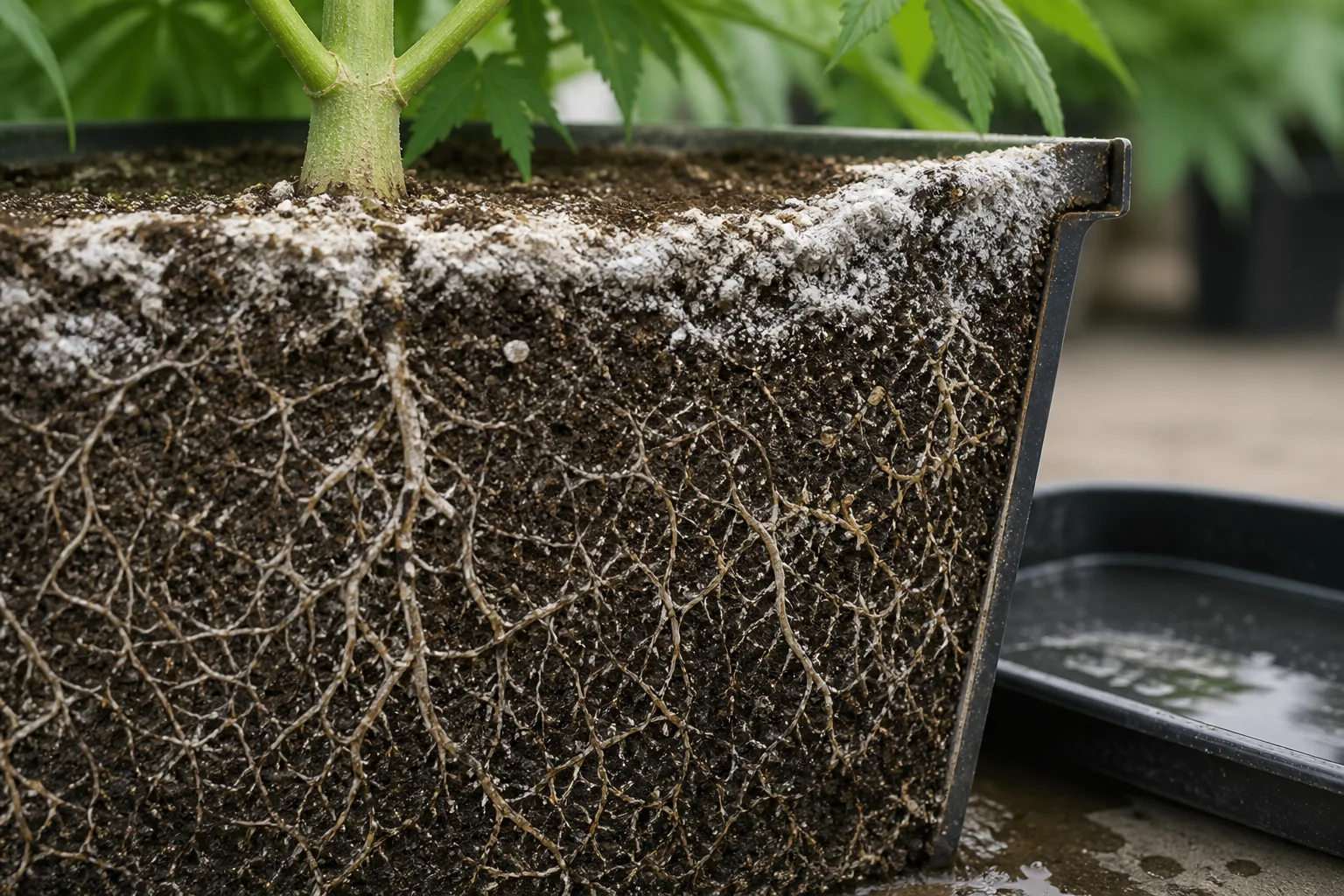
Accumulation of unabsorbed mineral ions, ballast salts, and toxic sodium chloride in un-remediated cannabis drainage water.
Analytical Runoff Auditing: Testing Protocols and Collection Standards
Before designing a closed-loop treatment train, cultivators must establish precise procedural protocols for collecting and analyzing drainage effluent. Inaccurate testing leads to catastrophic over-correction. For a comprehensive breakdown of baseline leachate sampling physics, review our guide on cannabis runoff testing and what the numbers really mean.
Standardized Runoff Sampling SOP
To obtain an accurate analytical profile of facility drainage water, follow this repeatable collection procedure:
- Sampling Window: Collect drainage effluent exactly 15 to 30 minutes following the second irrigation pulse of the day (the first pulse typically pushes out overnight dry-back stagnation, whereas the second pulse reflects true active steady-state pore water).
- Immediate Sensor Testing: Measure EC, pH, and dissolved oxygen immediately at the collection point. Do not allow samples to sit in open cups: exposure to ambient air causes dissolved carbon dioxide (H2CO3 ↔ H2O + CO2) to outgas into the room, driving leachate pH artificially upward by 0.5 to 1.0 pH units within 20 minutes.
- Laboratory ICP-OES Water Testing: Once monthly, collect a 500 mL composite runoff sample, filter through a 0.45-micron syringe filter, acidify with nitric acid (HNO3) to pH < 2.0 to prevent mineral precipitation, and submit to a certified agricultural testing laboratory for Inductively Coupled Plasma Optical Emission Spectrometry (ICP-OES). The laboratory report must quantify exact parts-per-million (mg/L) concentrations of individual ions: NO3-N, NH4-N, P, K, Ca, Mg, S, Fe, Mn, Zn, Cu, B, Mo, Na, and Cl.
The 4-Stage Engineering Protocol for Closed-Loop Runoff Remediation
To convert contaminated cannabis drainage into safe, pristine irrigation water, commercial facilities deploy an integrated four-stage treatment train:
Stage 1: Mechanical Separation and Particulate Filtration
Drainage water collected from grow tables drains via gravity into an underground or low-profile raw effluent catchment basin. From this basin, a heavy-duty submersible chopper pump pushes the liquid through a multi-stage physical filtration array:
- Centrifugal Hydrocyclone Separator: Removes heavy, abrasive mineral grit, sand, and perlite particles larger than 75 microns via centrifugal vortex acceleration, protecting downstream pumps from mechanical erosion.
- Automated Backwashing Screen / Disc Filter: A 100-mesh (150-micron) automated backwashing disc filter captures fibrous root debris and large organic clumps, flushing accumulated solids to waste automatically based on differential pressure sensors (ΔP > 5 PSI).
- Fine Polishing Bag/Cartridge Filter: A dual-stage cartridge filter (25-micron followed by 5-micron polypropylene felt) captures fine colloidal particles. This fine polishing stage is non-negotiable: it maximizes the liquid’s optical clarity, ensuring high ultraviolet transmittance (%UVT) for downstream sterilization.
Stage 2: Biological Disinfection (High-Intensity UV or Ozone)
Once polished to optical clarity, the effluent passes through an active sterilization chamber designed to eradicate 100% of biological pathogens:
- High-Dose Ultraviolet-C (UV-C) Irradiation: Low-pressure or medium-pressure mercury vapor lamps emit monochromatic UV light at 254 nanometers. UV-C penetrates microbial cell walls and cross-links adjacent thymine bases in DNA/RNA, forming cyclobutane pyrimidine dimers that permanently terminate replication. While standard drinking water systems utilize low UV doses (30 to 40 mJ/cm2), destroying virulent Pythium zoospores, Fusarium microconidia, and viroid RNA requires a verified minimum dose of 250 to 400 mJ/cm2 at the rated flow rate and design %UVT.
- Dissolved Ozone (O3) Advanced Oxidation: Ozone is an exceptionally powerful chemical oxidant (oxidation potential of 2.07 V). An industrial corona-discharge ozone generator injects ozone gas into the water via venturi nozzles into a pressurized contact tank, maintaining an ozone residual of 0.5 to 1.5 mg/L with a 4 to 6-minute contact time. Ozone lyses bacterial cell walls, destroys viral RNA, and breaks down complex root exudates (phenolics and organic acids). Excess ozone is destroyed via catalytic carbon or UV de-ozonation before reaching plant roots, as dissolved ozone is phytotoxic.
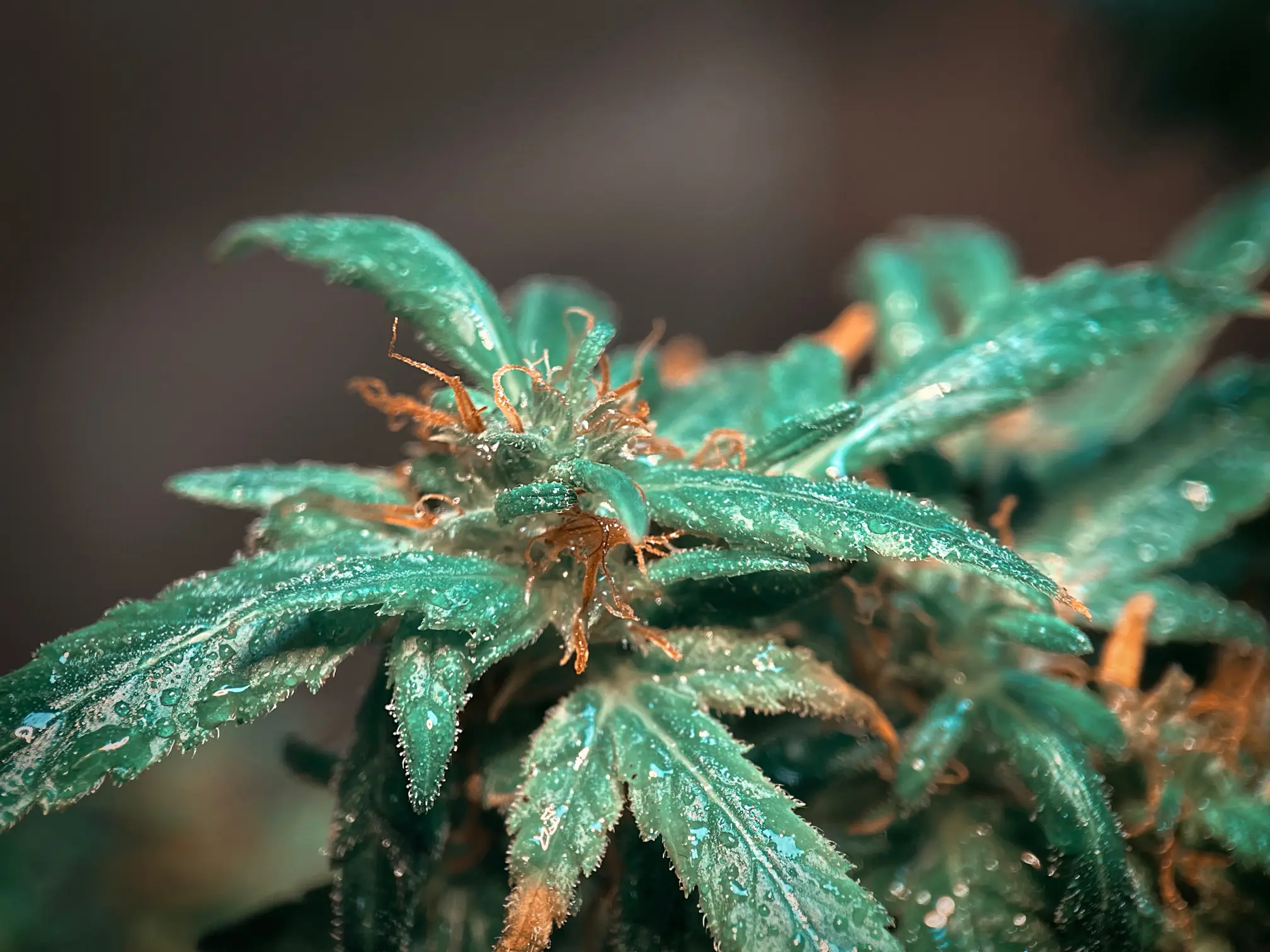
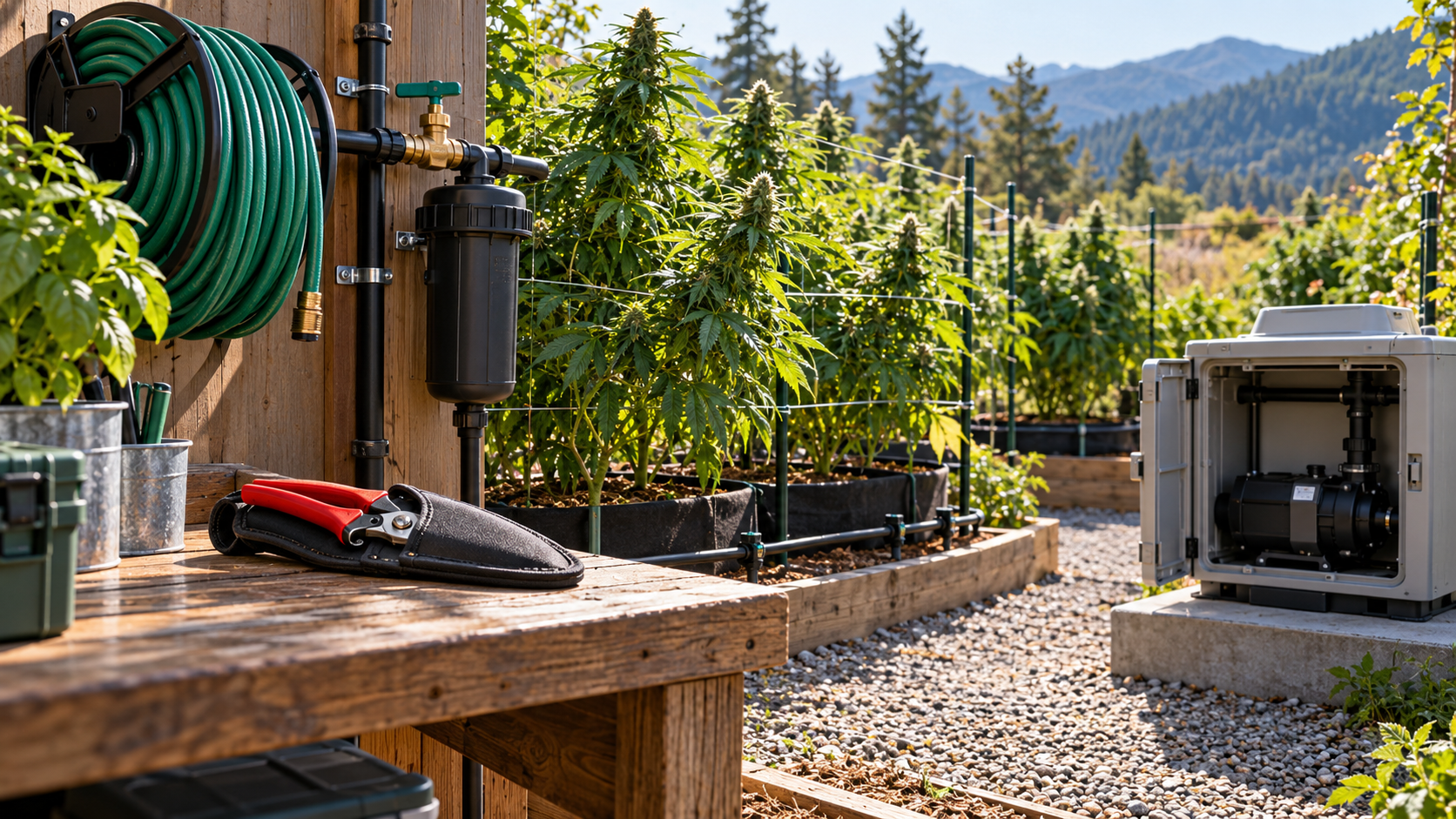
Healthy, turgid cannabis foliage flourishing under re-sterilized and chemically balanced closed-loop irrigation.
Advanced Oxidation Processes (AOP): Hydroxyl Radicals and Autotoxicity
For industrial-scale facilities operating multi-tier grow rooms with hundreds of gallons of daily drainage, standard single-barrier UV or ozone treatment is increasingly replaced by Advanced Oxidation Processes (AOP). AOP systems combine ultraviolet radiation with low concentrations of dissolved ozone (O3/UV) or hydrogen peroxide (H2O2/UV) to generate transient hydroxyl free radicals (•OH):
- Extreme Oxidation Potential: Hydroxyl radicals possess an exceptionally high electrochemical oxidation potential of 2.80 Volts (compared to 2.07 V for ozone, 1.78 V for hydrogen peroxide, and 1.36 V for chlorine). Hydroxyl radicals react non-selectively within nanoseconds, completely mineralizing organic cell walls and fragmenting naked viral and viroid RNA strands.
- Elimination of Autotoxic Allelochemicals: Over extended cultivation cycles, cannabis roots release specialized allelopathic biochemicals into the substrate, including low-molecular-weight phenolic acids, terpenoids, and benzoic acid derivatives. In closed recirculating loops, these autotoxic compounds accumulate, binding to root epidermal membranes and inhibiting lateral root elongation. AOP oxidation cleaves these complex aromatic rings into harmless water and carbon dioxide, completely eliminating autotoxicity risks in recycled water streams.
- Zero Persistent Chemical Residues: Because hydroxyl radicals have a half-life measured in microseconds, they completely recombine into pure water and oxygen before the treated water reaches mixing tanks, ensuring zero phytotoxic chemical sterilant residues ever contact root hairs.
How much UV light is actually required to kill Pythium and viroids in recycled cannabis runoff?
Question sent by: Rebecca Martinez, via email.
“We installed an off-the-shelf aquarium UV sterilizer rated at 55 watts on our 50-gallon runoff return line. However, we just had an outbreak of Pythium root rot across two tables fed by the recycled water. The UV bulb was brand new. Why did the UV sterilizer fail to kill the root rot?”
Your UV sterilizer failed because off-the-shelf aquarium and residential drinking water UV systems are engineered for human bacterial pathogens (like E. coli) and green water algae, which require a modest UV dose of only 30 to 40 mJ/cm2 (millijoules per square centimeter).
Plant pathogens are vastly more resistant to ultraviolet radiation. Peer-reviewed horticultural research (Runia, 1995; Zheng, 2021) proves that completely inactivating Pythium and Phytophthora zoospores requires a minimum UV dose of 100 to 150 mJ/cm2. Destroying thick-walled fungal spores of Fusarium oxysporum requires 200 to 250 mJ/cm2, and denaturing naked viral/viroid RNA particles (like Hop Latent Viroid) requires a massive dose exceeding 300 to 400 mJ/cm2.
Furthermore, UV dosage is directly governed by flow rate and water clarity (Ultraviolet Transmittance, or %UVT). If your runoff water contained even slight organic discoloration (tannins, humates, or colloidal particles), your %UVT likely dropped from 95% down to 60%. At 60% UVT, water absorbs the UV light before it can penetrate more than a few millimeters from the quartz sleeve. A 55-watt bulb operating at standard pump flow rates likely delivered less than 15 mJ/cm2 of effective radiation to suspended zoospores. For commercial cannabis runoff, you must install an engineered horticultural UV reactor certified to deliver at least 250 mJ/cm2 at your exact flow rate and lowest expected %UVT, preceded by 5-micron mechanical polishing filtration.
Stage 3 and 4: Chemical Rebalancing, Dilution, and Bleed-Off Protocols
Disinfection solves only the biological half of the recirculation equation. Once the water is completely sterile, operators must correct its distorted chemical profile before applying it back to living root systems:
Stage 3: The 50/50 Fresh RO Water Dilution and Elemental Top-Up
Never attempt to feed crops using 100% recycled runoff. Even following high-grade filtration and sterilization, recycled effluent contains elevated concentrations of sodium, chloride, and unabsorbed sulfate. The industry standard operating procedure is proportional blending with fresh Reverse Osmosis (RO) water:
- Blend 50% to 70% treated runoff water with 30% to 50% fresh 0.0 EC reverse osmosis water in a secondary mixing reservoir. Dilution immediately cuts background sodium and chloride concentrations in half, restoring a safe osmotic baseline.
- Using automated multi-channel chemical dosing injectors (such as Dosatron or precision stepper pumps) guided by recent ICP-OES laboratory data, inject targeted single-element mineral salts to replenish depleted ions. In mid-flower, this typically involves adding potassium nitrate [KNO3] and monopotassium phosphate [KH2PO4] to rebuild the depleted potassium pool without adding unneeded magnesium or calcium.
- Inject technical-grade acid (phosphoric or sulfuric acid) to neutralize accumulated bicarbonates and stabilize the final working pH strictly between 5.8 and 6.0. Finally, aerate the reservoir vigorously to restore dissolved oxygen to above 8.5 mg/L.
Stage 4: The Mandatory 20% Bleed-Off Fraction
No closed-loop agricultural system can remain 100% closed indefinitely without accumulating toxic mineral ballast. In commercial horticulture, closed loops operate as “semi-closed” systems governed by a strict bleed-off (discharge) fraction. Daily or weekly, the facility must intentionally purge 15% to 25% of the total recycled water volume to drain, replacing it with 100% fresh water and nutrients. This mandatory bleed-off acts as a permanent chemical pressure-relief valve, preventing recalcitrant trace elements, heavy metals, and sodium from exceeding phytotoxic thresholds.
Runoff Reusability Matrix Across Cultivation Systems
The following technical reference table compares runoff recovery feasibility, filtration complexity, pathogen risks, and operational economics across the four primary commercial cannabis growing mediums:
| Growing Substrate | Primary Effluent Contaminants | Filtration Complexity | Sterilization Requirement | Max Safe Recirculation | Economic ROI |
|---|---|---|---|---|---|
| Inert Rockwool Blocks | Dissolved mineral salts, root exudates; zero organic silt. | Low (50-micron disc filter + 5-micron polishing cartridge). | High-dose UV-C (250 mJ/cm2) at >85% UVT. | Continuous (with 15% to 20% fresh water bleed-off). | Outstanding (saves 30%-40% water and 25%-35% fertilizer costs). |
| Buffered Coco Coir | Lignin fibers, fine cellulose dust, tannins, released potassium/sodium. | High (hydrocyclone separator + 100-mesh disc + 5-micron bag). | Ozone injection or oversized UV (UVT drops to 50%-65%). | Moderate (max 2-3 cycles before 50% dilution bleed-off). | Moderate (high filtration maintenance costs offset savings). |
| Peat-Based Soilless Mixes | Humic acids, colloidal peat particles, dissolved organic carbon, perlite grit. | Very High (frequent cartridge blinding; rapid pressure drops). | Ozone advanced oxidation mandatory (UV light is absorbed by humates). | Limited (max 1 cycle; blend 25% runoff with 75% fresh RO). | Poor (filtration and ozone equipment capital exceeds ROI). |
| Living Organic Soil Beds | Heavy organic matter, living bacteria, mycorrhizae, colloidal clay, tannins. | Extreme (immediate filter clogging; rapid anaerobic souring). | Impractical (sterilization destroys valuable biological inputs). | Zero (never recirculate living soil runoff into automated lines). | Negative (causes catastrophic drip emitter failure). |
Standard Operating Checklist: Closed-Loop Runoff Recycling
Commercial facilities operating closed-loop drainage recovery systems must verify these operational checkpoints daily:
- Raw drainage water is captured in dedicated, segregated collection tanks; never direct-piped to feed reservoirs.
- Mechanical filtration array is inspected daily; disc and cartridge filter differential pressure (ΔP) is logged.
- Effluent optical clarity (UVT) is monitored; polishing filters are replaced before UVT drops below 80%.
- UV-C sterilizers are verified delivering a minimum biological kill dose of 250 to 400 mJ/cm2 at operating flow rates.
- UV quartz sleeves are mechanically cleaned and descaled monthly using mild citric acid to prevent mineral film blinding.
- Treated effluent is blended with at least 30% to 50% fresh reverse osmosis water before nutrient replenishment.
- Sodium (Na+) concentration in the final working reservoir is monitored and maintained strictly below 50 mg/L (ppm).
- Chloride (Cl–) concentration is monitored and maintained strictly below 70 mg/L (ppm).
- A continuous 15% to 25% bleed-off fraction is purged daily to prevent cumulative ballast salt toxicity.
- Recirculated solution is analyzed via comprehensive laboratory ICP-OES water testing at least once every 30 days.
- Dissolved oxygen (DO) in the rebalanced feed reservoir is continuously aerated and verified above 8.5 mg/L.
- Recirculation is halted immediately if root browning, vascular wilting, or viroid symptoms are observed in any crop zone.
Scientific References
- Ehret, D. L., Alsanius, B., Wohanka, W., Menzies, J. G., & Utkhede, R. (2001). Disinfestation of recirculating nutrient solutions in greenhouse horticulture. Agronomie, 21(4), 323-339.
- Runia, W. T. (1995). A review of possibilities for disinfection of recirculation water from soilless cultures. Water Science and Technology, 32(4), 221-229.
- Sonneveld, C., & Voogt, W. (2009). Plant Nutrition of Greenhouse Crops. Springer, Dordrecht, Netherlands.
- Taiz, L., Zeiger, E., Møller, I. M., & Murphy, A. (2015). Plant Physiology and Development (6th ed.). Sinauer Associates, Sunderland, MA.
- Zheng, Y. (2021). Handbook of Cannabis Production in Controlled Environments. CRC Press, Boca Raton, FL.
Share this article
A quick overview of the topics covered in this article.