

Can Nutrients Improve Cannabis Flavor and Terpenes?
Can nutrients improve cannabis flavor and terpenes? Yes, but not in the way a “terpene booster” label usually suggests. Balanced nutrition can help a cannabis plant build healthy leaves, active roots, productive flowers, and functioning glandular trichomes. Nutrition can also change the concentration or balance of some volatile compounds. What it cannot do is write a flavor profile that the cultivar does not have, turn sugar water into sweeter flower, or rescue terpenes that are later lost to heat, rough handling, poor drying, or careless storage.
The useful goal is not to feed the plant until it smells stronger. It is to remove nutritional limits without replacing them with excess. That distinction matters because a heavily fed plant can produce more biomass while showing a lower concentration of some terpenoids, and a stressed plant can show a higher concentration on paper while producing less usable flower. Quality lives in the balance between plant health, flower yield, chemical concentration, and aroma retention.
Let us separate the levers we can control from the promises we should question. We will look at nitrogen, phosphorus, potassium, sulfur, calcium, magnesium, micronutrients, carbohydrates, biostimulants, organic and mineral programs, root-zone EC, flushing, and postharvest handling. Use this guide only for lawful cultivation and follow local rules for cannabis, fertilizers, runoff, worker safety, and waste disposal.
Nutrients support terpene expression; they do not choose the flavor
Genetics establishes the range of aromatic compounds a plant can produce. Nutrition influences whether the plant can express that potential under a particular environment. The final flavor is then shaped by harvest timing, drying, curing, storage, and how the flower is consumed.
The Short Answer: Healthy Nutrition Protects Flavor Potential
A cannabis plant needs mineral elements to build enzymes, proteins, membranes, chlorophyll, cell walls, and the energy-transfer systems that support growth and specialized metabolism. A serious deficiency can reduce photosynthesis, root activity, flower development, and trichome function. Correcting that deficiency may improve aroma because the whole plant is functioning better.
That does not mean every increase in fertilizer increases terpenes. Cannabis nutrition studies show nonlinear responses. Nitrogen supply can change both flower yield and terpenoid concentration, and the nitrogen rate that produces the highest concentration is not necessarily the rate that produces the best yield or the strongest plant. Phosphorus is essential, yet increasing root-zone phosphorus beyond an adequate level has not reliably increased flower quality. Nutrient source, cultivar, environment, sampling time, and the way results are expressed all matter.
A practical feeding program therefore has three jobs: prevent true deficiency, avoid excess and antagonism, and keep the root zone stable enough for the plant to use what is already present. Anything beyond those jobs needs evidence.
| Nutrition can | Nutrition cannot |
|---|---|
| Prevent deficiencies that restrict photosynthesis, roots, flower growth, and secondary metabolism | Create a lemon, berry, fuel, floral, or savory profile that the cultivar is not genetically equipped to produce |
| Alter the concentration or relative abundance of some terpenoids under specific conditions | Guarantee that a higher laboratory terpene percentage will smell or taste better to every person |
| Support a larger amount of healthy flower and potentially a larger total terpene harvest per plant | Make unlimited fertilizer useful after the plant’s nutritional requirement is already met |
| Keep leaves and roots functional long enough to finish flowering properly | Replace correct light, irrigation, airflow, harvest timing, drying, curing, and storage |
| Help a known cultivar express its potential consistently when the root zone is controlled | Transfer strawberry, molasses, fruit juice, or bottled flavor directly into the flower’s native aroma chemistry |
What to Remember: Adequate nutrition is a foundation for quality. Excess nutrition is not an upgrade to that foundation.
Flavor Is Larger Than a Total Terpene Number
Growers often use terpenes as shorthand for every smell and flavor in cannabis. Terpenoids are important, but the aromatic picture is broader. Research has identified minor nonterpenoid volatiles, esters, volatile sulfur compounds, and other low-concentration molecules that can have a large sensory impact. Some tropical, savory, chemical, skunky, or fuel-like notes cannot be explained by the dominant terpene list alone.
This changes how we evaluate a nutrient claim. A product may increase one measured terpene while leaving the total profile almost unchanged. Another treatment may shift several minor compounds without changing total terpenes. A laboratory may report abundant myrcene, limonene, and caryophyllene but not measure every odor-active compound. Human perception also depends on thresholds and mixtures. A compound present at a tiny concentration can dominate the nose if its odor threshold is very low.
Flavor adds another layer. Aroma reaches the nose before and during consumption, while taste, moisture, combustion temperature, vaporization temperature, plant pigments, degradation products, and contaminants can change the sensory experience. “This flower tastes harsh” is not automatically a nutrient problem, and “this sample has more total terpenes” is not automatically proof of better flavor.

Concentration, total production, and sensory impact are different outcomes
Terpene concentration describes an amount relative to flower mass. Total terpene production also depends on how much flower the plant produced. Sensory impact depends on the identities, ratios, odor thresholds, freshness, and retention of the volatile compounds, not only their combined percentage.
Genetics Sets the Aroma Ceiling
Before adjusting a reservoir or top-dressing a bed, look at the cultivar. Terpene synthase genes, trichome development, chemotype, and the plant’s broader metabolic network establish which compounds can be produced and in what general pattern. Two cultivars grown side by side under the same light and nutrient solution can finish with clearly different aromas because their genetic instructions are different.
Phenotype selection matters inside a seed line as well. Sister plants may vary in vigor, internode spacing, flower structure, harvest window, and volatile profile. Feeding the quieter phenotype more aggressively will not reliably turn it into the loudest phenotype. If flavor is the priority, start with verified genetics, keep multiple plants labeled, and evaluate repeated runs or clones before blaming the nutrient bottle.
Environment determines how much of that genetic potential is expressed. Root-zone nutrition is one part of the environment, alongside light, canopy temperature, water status, humidity, gas exchange, root oxygen, pests, and harvest maturity. These factors interact, which is why a feeding recipe that performed well in one room can behave differently under another fixture, substrate, cultivar, or irrigation frequency.
Advice: Choose the cultivar for the flavor family first. Use nutrition to keep that cultivar healthy and repeatable, not to negotiate with its DNA.
Nitrogen Has the Clearest Evidence and the Most Important Trade-Off
Nitrogen is central to amino acids, proteins, nucleic acids, chlorophyll, and vegetative growth. A cannabis plant that lacks nitrogen too early may lose photosynthetic capacity, canopy area, and flower-building power. That does not make high nitrogen the quality setting.
Controlled research on medical cannabis found that nitrogen supply changed cannabinoid and terpenoid profiles. In one study, the concentrations of many measured terpenoids were highest under the most nitrogen-deficient treatment and declined as nitrogen supply increased. However, the deficient plants also showed chlorosis and reduced growth, while the nitrogen range associated with stronger flower yield was higher. The lesson is not to starve cannabis for terpenes. The lesson is that concentration and productivity can move in different directions.
Dilution can explain part of this pattern. When a plant produces more structural and flower biomass, the same or even a larger total amount of a compound may be distributed through more dry matter, reducing its percentage. Metabolic allocation also changes with nitrogen status. A high concentration in a small, stressed crop can still deliver fewer total aromatic compounds per plant than a healthy crop with a slightly lower percentage.
Nitrogen form matters too. Research varying the ammonium-to-nitrate ratio found that higher ammonium proportions reduced yield and changed cannabinoid and terpenoid concentrations in the tested cannabis cultivar. Most measured monoterpenes performed best at low ammonium proportions in that system. This does not provide a universal bottle recipe, but it does show why “total nitrogen” alone is an incomplete description.
Do not force late-flower nitrogen deficiency for a laboratory percentage
Premature chlorosis removes productive leaf area and can reduce flower growth. Aim for a controlled transition and normal maturation, not a plant that is collapsing several weeks before harvest.
| Observation | Better interpretation |
|---|---|
| Lower leaves gradually fade near normal harvest | May reflect maturation and nutrient redistribution. Compare timing, cultivar history, root health, and remaining flower development before correcting. |
| Whole canopy fades early while growth stalls | Possible nitrogen shortage, root dysfunction, low pH availability, or another stress. Diagnose the root zone before increasing feed. |
| Leaves remain very dark, soft, and clawed | Possible nitrogen excess or root-zone imbalance. More bloom booster does not correct an excessive base feed. |
| Flower yield rises but terpene percentage falls | May be a concentration-versus-biomass trade-off. Compare total terpene yield and sensory quality, not percentage alone. |
| A stressed plant tests higher than a healthy plant | Higher concentration does not prove a better cultivation strategy if biomass, consistency, or flower condition declined. |
Phosphorus Is Essential, but More Bloom P Is Not a Flavor Strategy
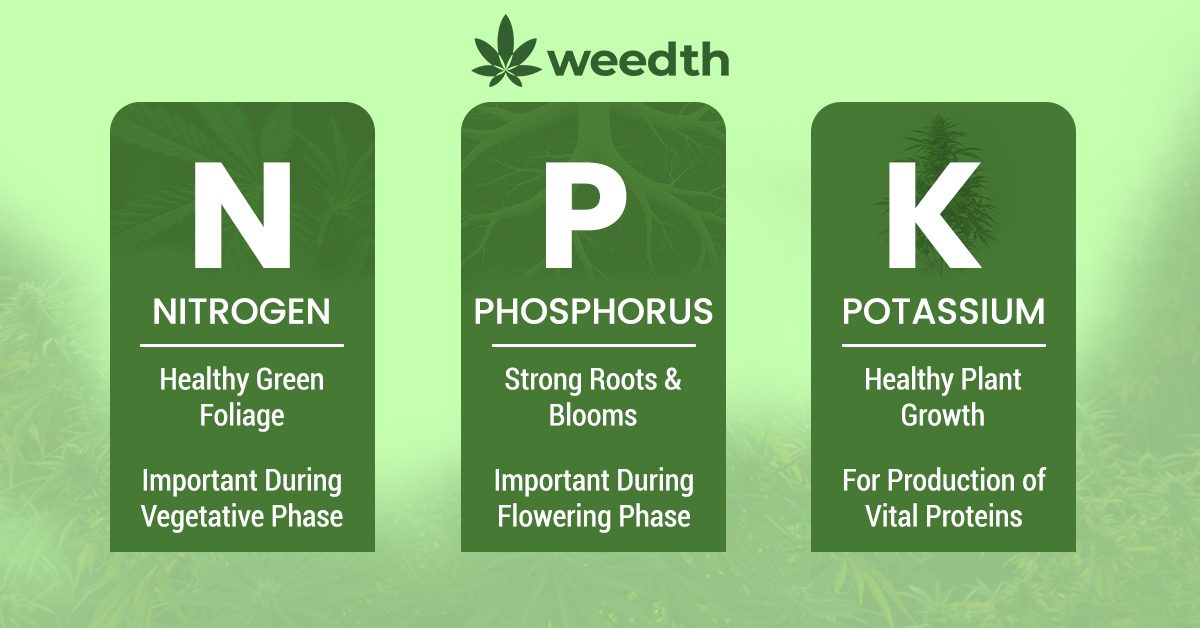
Phosphorus participates in energy transfer, membranes, nucleic acids, and plant development. A true deficiency can damage roots and restrict growth. That basic requirement has been stretched into a marketing story in which very high phosphorus is treated as a direct route to larger, more resinous, more flavorful flowers.
Cannabis-specific research does not support a universal high-phosphorus rule. Studies that increased phosphorus supply did not show a consistent rise in cannabinoids or terpenes, and elevated root-zone phosphorus can increase phosphorus loss in leachate without improving yield or measured quality. Another study reported no clear terpene trend across phosphorus treatments except for an individual compound response.
This is an important competitor-content gap. Many feeding guides explain that phosphorus is “for flowers” and then jump directly to a high-P recommendation. Plant physiology is not that linear. Once phosphorus is adequate, extra phosphorus may accumulate, interact with other nutrients, raise the root-zone load, and increase environmental waste without adding flavor.
Supply adequate phosphorus through a complete program
Use the product analysis, substrate, water, tissue or media data, and plant response to maintain sufficiency.
Stacking multiple bloom boosters because flowers have formed
Repeated PK products can duplicate the base formula and increase EC or nutrient antagonism without producing a better aroma.
Potassium Supports the System, Not a Specific Taste
Potassium helps regulate water relations, stomatal behavior, charge balance, enzyme activity, and carbohydrate transport. A deficient plant may struggle with water control and tissue function, which can indirectly limit flower quality. Adequate potassium therefore matters.
The evidence does not justify treating potassium as a sweetener. Potassium does not become sugar inside the flower, and a high-K additive does not select fruity terpenes. Cannabis responses to potassium can be genotype-dependent, and high potassium can compete with calcium and magnesium uptake or make an already concentrated root zone harder to manage.
Use potassium to satisfy plant demand within a balanced formula. If the base program already contains enough, adding a separate late-flower potassium source may only change the nutrient ratio and EC. The correct question is not “How much K can I add?” It is “What evidence says K is limiting this plant?”
Pro Tip: Add the elemental contribution from every base nutrient, bloom product, Cal-Mag, silica, and water source before diagnosing a shortage. Product names hide duplication; the complete recipe reveals it.
Sulfur Matters, but It Is Not a Skunk Dial
Sulfur is essential for sulfur-containing amino acids, proteins, enzymes, coenzymes, and many plant processes. Cannabis aroma can also include powerful volatile sulfur compounds. It is tempting to connect these facts and conclude that more sulfur fertilizer must create stronger skunk, garlic, tropical, or fuel notes.
That conclusion moves beyond the evidence. The presence of sulfur in an aroma molecule does not prove that sulfur supply is the limiting step in its production. Genetics, enzyme activity, developmental stage, precursor availability, and broader metabolism still control the pathway. A complete fertilizer already supplies sulfur in many systems, and water or other additives can contribute more.
Correct a verified sulfur deficiency, but do not pour sulfate products into a healthy root zone to chase odor. Extra sulfate contributes to EC and may arrive with magnesium, potassium, calcium, or another cation that changes the rest of the recipe. The strongest-smelling result may be the reservoir, not the flower.
Volatile sulfur compounds can shape cannabis aroma at very low concentrations
Some skunky, savory, fuel-like, and tropical characteristics are influenced by sulfur-containing volatiles and other minor compounds. A standard “total terpenes” panel may not describe all of them.
Calcium, Magnesium, and Micronutrients Keep the Machinery Working
Calcium supports cell walls, membranes, signaling, and growing tissues. Magnesium sits at the center of chlorophyll and supports enzyme function. Iron, manganese, zinc, copper, boron, molybdenum, and other micronutrients participate in electron transfer, enzyme systems, growth regulation, and metabolism.
These elements can protect flavor potential when they correct a real limitation. They are not flavor additives. A calcium or magnesium deficiency that reduces photosynthesis or root health can reduce the plant’s ability to finish. Adding Cal-Mag to a plant that already has enough raises nitrogen or EC in many formulations and may create a new imbalance.
Micronutrients have a narrow margin between enough and excessive. Because they act at low concentrations, supplement stacking is especially risky. A base fertilizer designed for the water and medium usually contains them. Diagnose water alkalinity, pH, root condition, and the full formula before adding a single-element product.

Root-Zone EC and pH Often Matter More Than the Booster
A plant can be surrounded by nutrients and still be underfed physiologically. High root-zone EC makes water uptake more difficult. Poor drainage reduces oxygen. A drifting pH changes nutrient availability. Damaged roots cannot use a perfect recipe. In that situation, adding another supplement increases the number of variables without solving the restriction.
EC is a concentration signal, not a flavor score. A higher input EC can increase tissue nutrient levels, but that does not guarantee more terpenes. It may reduce water uptake, produce tip burn, accelerate leaf decline, or leave the grower correcting runoff rather than reading the plant. Conversely, an unnecessarily low EC can restrict growth and total flower production.
Measure trends with a consistent method. Input solution, root-zone extract, runoff, and reservoir EC are not interchangeable. Runoff is influenced by channeling, irrigation volume, timing, and substrate. Compare the same sample type under the same routine, then connect the trend to plant water use, leaf condition, and growth.
| Symptom | Possible Cause | How to Confirm | Corrective Action | Prevention |
|---|---|---|---|---|
| Burned tips and stalled flower expansion | High EC or duplicated supplements | Audit the full recipe and compare consistent root-zone EC trends | Reduce the verified source gradually and restore appropriate irrigation | Calculate all inputs before adding boosters |
| Pale plant despite strong feed | Root damage, pH limitation, or poor oxygen | Inspect roots, drainage, moisture profile, pH method, and meter calibration | Correct the root environment before raising concentration | Match container, substrate, and irrigation frequency |
| Dark clawed leaves late in flower | Excess nitrogen or persistent root-zone load | Review nitrogen from base feed and supplements; compare cultivar history | Stop duplicating inputs and make measured adjustments | Use a stage-appropriate complete formula |
| Random deficiencies after adding PK | Antagonism, salt load, or pH drift | Compare symptoms and root-zone data before and after the product | Return to the known base program and change one variable | Test additions on a small matched group |
| Healthy plant but flat cured aroma | Genetics, early harvest, hot drying, or poor storage | Compare fresh-flower aroma, harvest maturity, drying log, and sealed storage | Improve selection and postharvest handling | Track aroma from late flower through cure |

Can Carbohydrates, Molasses, and Sweeteners Make Buds Taste Sweeter?
No bottle of carbohydrates can directly install a fruit flavor in cannabis flower. Plants manufacture carbohydrates through photosynthesis and move carbon through their own metabolism. Roots primarily absorb water and mineral ions, not finished strawberry flavor or table sugar that is then deposited unchanged in trichomes.
Molasses and other carbon sources can affect soil or substrate microorganisms. In a biologically managed soil, that may change microbial activity, oxygen demand, nutrient mineralization, and the root-zone food web. Those are indirect effects. They can be useful, neutral, or harmful depending on dose, biology, aeration, temperature, and system.
In a clean hydroponic reservoir, adding an unplanned organic sugar can feed biofilm and unwanted microbes, consume oxygen, clog emitters, and make sanitation harder. A sweet smell in the bottle is not proof of sweeter flower. If the goal is microbial support, define the organism, carbon source, dose, and measurable outcome instead of treating “carbs” as a universal flowering input.
Use carbohydrates only for a defined root-zone purpose
Know whether the product is feeding microbes, supplying minerals, or acting as a processing aid, and confirm that the system can manage it.
Trying to flavor cannabis with fruit juice or sugar
It does not rewrite the cultivar’s volatile profile and can create fermentation, pests, biofilm, low oxygen, or unstable irrigation equipment.
What About Amino Acids, Humic Acids, Kelp, and Biostimulants?
Biostimulants are a broad category. Products may contain seaweed extracts, humic substances, amino acids, microbial inoculants, fermentation products, plant extracts, or signaling compounds. Their effects depend on composition, dose, crop stage, environment, and the problem being solved.
A product can improve root growth or stress tolerance in one system without increasing cannabis terpenes. Another may shift volatile composition in a single cultivar under a specific experimental treatment. That is not the same as proving a reliable flavor increase across cultivars, substrates, and rooms.
Read past the marketing category. Ask for the active ingredient, concentration, application method, control treatment, cultivar, and measured outcome. “More aroma” based on a grower’s nose is useful as an observation but weaker than replicated chemical and sensory data. “Increased total terpenes” is stronger, yet still needs yield, flower moisture, and sampling context.
A 2026 study combining altered NPK fertigation with triacontanol reported changes in yield and volatile composition under its tested conditions. It is a useful signal for further research, not permission to copy one treatment into every grow. Separate the effect of the base nutrition, the biostimulant, and the cultivar before converting a paper into a feed chart.
Important: A promising treatment is not automatically a universal recommendation. Cannabis nutrition research is still cultivar- and system-sensitive, and many studies measure different definitions of quality.
Organic vs. Synthetic Nutrients: Does One Taste Better?
Plants absorb mineral nutrients as ions regardless of whether those ions originated in compost, mineral salts, manure, or a manufactured fertilizer. The growing systems around those ions can be very different. Organic amendments may build soil structure, supply carbon, buffer change, and support a complex biological community. Mineral programs can provide precise, rapidly available nutrition and make controlled comparisons easier.
Neither category guarantees flavor. A poorly aerated organic mix with unfinished compost can damage roots. A well-managed mineral program can produce highly aromatic flower. A concentrated mineral recipe can burn plants, while an over-amended living soil can accumulate phosphorus, potassium, sodium, or micronutrients. “Organic” and “synthetic” are not sensory measurements.
There is not strong evidence for a universal claim that organic cannabis always contains more terpenes or tastes better. Meaningful comparisons would need matched genetics, environment, irrigation, harvest maturity, drying, cure, storage, chemical analysis, and blinded sensory evaluation. Most grower comparisons change several of those variables at once.
Choose the system you can keep stable and understand. If you enjoy managing soil biology, build a tested living soil and protect it. If you prefer measurable fertigation, use a complete mineral formula and monitor the root zone. The quality target is a healthy plant and a preserved harvest, not loyalty to a label.

Test the program, not the story on the label
Here is a practical way to compare two approaches. Use clones from the same mother, equal containers, the same substrate batch, matched canopy positions, one drying environment, and a written irrigation log. Change only the nutrient variable. Keep samples coded during aroma evaluation, then compare yield, root health, flower density, total volatiles if testing is available, and the cured sensory result. One controlled side-by-side teaches more than changing five supplements in the middle of a run.
How Feeding Changes Across Soil, Coco, and Hydroponics
The same nutrient advice can produce opposite results in different media. A living soil may already contain most of the crop’s nutrition. Coco contributes little complete fertility and interacts strongly with calcium, magnesium, potassium, and irrigation frequency. Hydroponic roots depend directly on the solution and reservoir. A peat-based mix may begin charged and become increasingly dependent on fertigation.
| System | Practical priority |
|---|---|
| Living soil or amended bed | Test the soil, protect aeration and moisture, avoid stacking top-dresses, and give organic amendments time to mineralize. More compost is not automatically more flavor. |
| Charged potting mix | Learn what the mix already contains, watch the transition from internal fertility to supplemental feeding, and avoid treating every irrigation as an empty root zone. |
| Coco coir | Use a complete coco-compatible solution, maintain consistent fertigation and drainage, and manage root-zone EC instead of alternating severe feast and famine. |
| Rockwool or inert media | Control the complete solution, irrigation frequency, oxygen, and drain trend. Small recipe changes reach roots quickly, so change one variable at a time. |
| Recirculating hydroponics | Track reservoir composition, water uptake, pH, EC, temperature, dissolved oxygen, and replacement strategy. Avoid adding difficult-to-monitor organics for a flavor promise. |
| Outdoor mineral soil | Use soil and water tests, account for weather and root volume, and correct known limitations. A large bed should not be fed like a small indoor pot. |
The common thread is stability. Flavor potential declines when the plant repeatedly moves between severe deficiency and high salt concentration. A mild, complete, repeatable program is usually more useful than a dramatic late-flower stack.
Should You Reduce Nutrients in Late Flower?
Many cannabis plants need less nitrogen as flowering progresses, but they do not stop needing mineral nutrition on a fixed calendar date. Demand changes with cultivar, flower duration, root volume, substrate reserve, environmental intensity, and how much healthy canopy remains.
A staged reduction can make sense when the plant’s water use slows, vegetative expansion has ended, and the existing root zone still contains nutrients. An abrupt reduction can make less sense in inert media where irrigation is the sole nutritional supply. The plant should finish rather than be forced to fail.
Use leaf condition, water use, root-zone trends, flower development, and the known harvest window. If the plant is dark and overfed, correct earlier. If it is pale and stalled with weeks remaining, “fade” is not a quality badge. Normal maturation and preventable deficiency can look similar in a single photograph, so timing and history matter.

Tip: Reduce complexity before reducing nutrition. Removing overlapping additives often lowers root-zone load without depriving the plant of the complete base elements it still needs.
Does Flushing Improve Flavor or Terpenes?
Routine preharvest flushing is often presented as a way to remove fertilizer from flowers, produce white ash, smooth smoke, or improve taste. Plant mineral nutrients are not simply washed out of mature flower tissue by running plain water through the root zone.
Controlled cannabis studies have not shown a reliable terpene or quality benefit from routine nutrient deprivation before harvest. A study across five medical cannabis cultivars evaluated flushing effects on plant function, yield, nutrient accumulation, cannabinoids, and terpenoids. Other controlled work and a university thesis similarly found that preharvest nutrient deprivation did not produce the promised quality improvement under the tested conditions.
This does not mean leaching is never useful. If a container has excessive root-zone salts, correcting that excess can restore water uptake and plant function. That is a root-zone correction, not a ritual flavor flush. It should be guided by measured EC, drainage, water quality, and plant response rather than the harvest calendar alone.
Do not combine starvation with repeated overwatering
Large volumes of plain water can leave a poorly drained root zone saturated while the plant also loses nutritional support. Correct excessive salts with a system-appropriate plan, then restore normal irrigation.
Mild Stress Is Not a Free Terpene Upgrade
Secondary metabolites participate in plant defense and environmental response, so growers often hear that stress creates stronger cannabis. The missing word is controlled. Water deficit, salinity, heat, pests, nutrient deficiency, and intense light can change volatile profiles, but they can also reduce photosynthesis, flower mass, root function, and consistency.
Water-stress research shows cultivar- and timing-dependent responses. A moderate treatment may shift selected terpenes in one chemotype while a stronger or poorly timed treatment reduces biomass. Nutrient deficiency can increase concentration while lowering yield. Pest injury may activate defense chemistry while also damaging marketable flower and introducing contamination risk.
Do not create an uncontrolled problem because stress is associated with secondary metabolism. A commercial grower with sensors, replicated controls, and chemical testing is running a different experiment from a home grower letting pots wilt hard before harvest. Healthy plant function remains the safest baseline.
Master Advice: Never sacrifice the whole plant for one percentage. Evaluate flower yield, terpene concentration, total terpene production, root health, and cured sensory quality together.
Postharvest Handling Can Erase Nutritional Gains
Terpenes and other aroma compounds are volatile. Once the plant is cut, the grower’s job changes from expression to retention. Heat, long exposure to moving dry air, physical damage, excessive trimming, oxygen, light, and poor storage can alter or remove the compounds the plant produced.
Drying research and postharvest reviews show that higher temperatures can sharply reduce terpene retention. The exact response varies by compound, method, flower structure, humidity, and duration. Fast is not automatically better, and slow is not automatically safe. A slow dry in stagnant, humid air can invite mold, while a hot, aggressive dry can preserve appearance but flatten aroma.
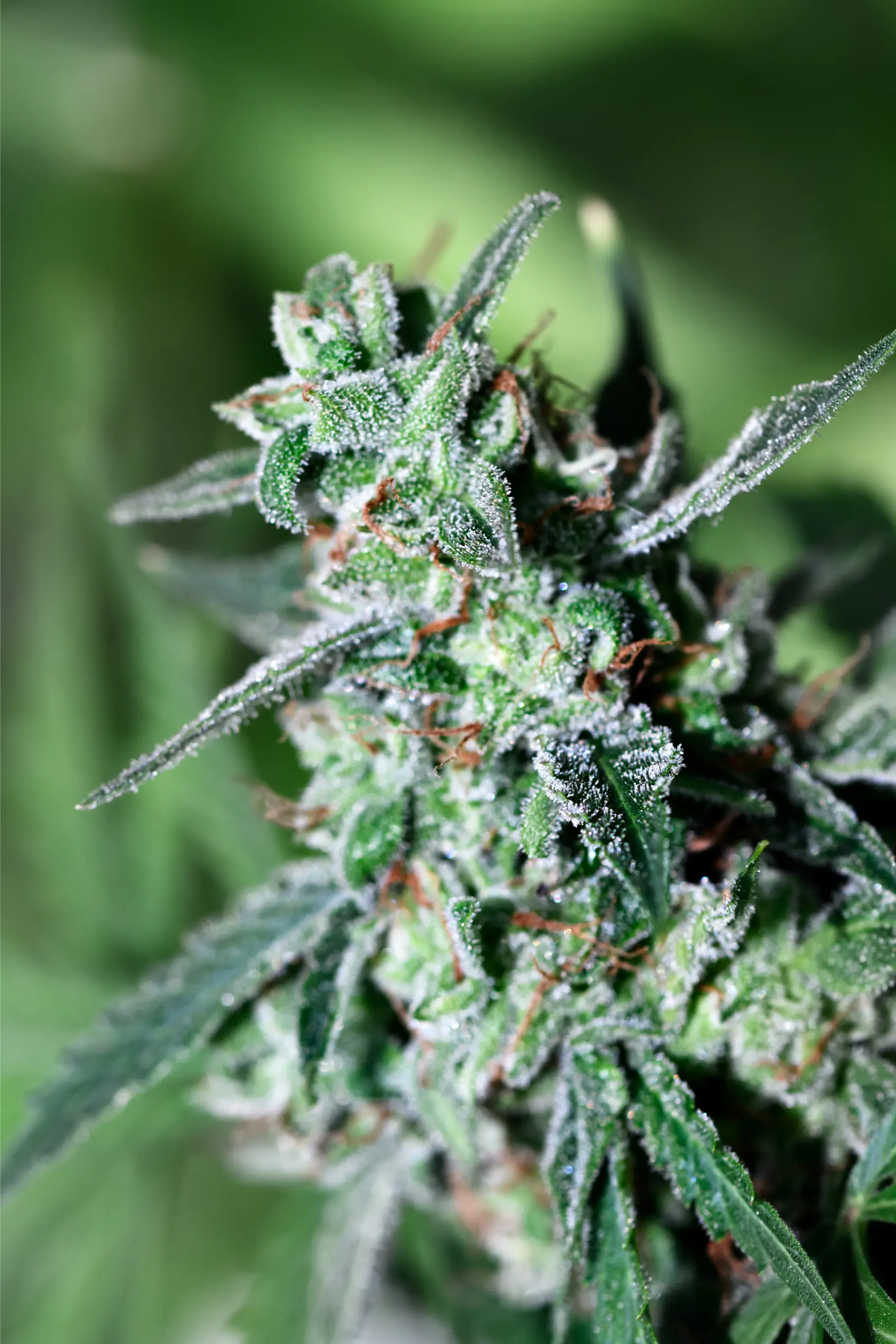
Harvest maturity matters before drying begins. Cutting too early can leave the profile underdeveloped. Cutting late may shift volatile composition and increase degradation or weather risk. Handle branches and flowers gently because glandular trichome heads are the storage structures we are trying to preserve.
Curing cannot manufacture terpenes that evaporated during drying. It can redistribute moisture and allow the sensory profile to settle as compounds transform, but a jar is not a time machine. Stable storage that limits heat, light, oxygen exchange, and moisture extremes protects more quality than a late bottle of flavor enhancer.
A Practical Feeding Strategy for Better Cannabis Flavor
1. Start with proven aromatic genetics
Choose a cultivar and phenotype known for the flavor family you want. Keep plants labeled and compare repeated runs before changing the nutrient program.
2. Match the fertilizer to the water and medium
A complete program for coco, living soil, peat, or hydroponics should account for what the root zone and source water already supply. Do not build a recipe from unrelated bottles.
3. Establish a conservative baseline
Begin from a complete, stage-appropriate program and the manufacturer’s analysis, then adjust with root-zone data and plant response. A baseline must be repeatable before it can be improved.
4. Keep nitrogen adequate, not excessive
Protect functional leaves through flower development without chasing the darkest canopy. Reduce nitrogen only as plant demand and the system justify it.
5. Refuse automatic PK stacking
Calculate phosphorus and potassium from the complete recipe. Add a separate bloom product only when it corrects a known limitation or a controlled trial justifies it.
6. Control pH, EC, oxygen, and irrigation
A stable root environment lets the plant use an ordinary complete formula more effectively. Diagnose water movement and roots before adding supplements.
7. Change one variable at a time
Use matched clones or comparable plants and keep a control. Record input EC, root-zone trend, irrigation volume, water use, leaf condition, flower development, and product rate.
8. Protect the harvest
Choose maturity deliberately, handle trichomes gently, dry in a controlled environment, cure safely, and store away from heat, light, oxygen, and moisture extremes.
- The cultivar has demonstrated the aroma profile you want.
- The plant is not limited by root disease, poor drainage, or low oxygen.
- Input and root-zone pH and EC are measured with consistent methods.
- The base fertilizer already supplies complete macro- and micronutrients.
- The new product does not duplicate nitrogen, phosphorus, potassium, sulfur, calcium, or magnesium.
- The active ingredient and concentration are disclosed.
- Cannabis-specific evidence measures terpenes or sensory quality, not only plant greenness or yield.
- A matched control plant will remain unchanged.
- Harvest, drying, curing, and storage conditions can be kept equal.
- The expected benefit is worth the added cost, EC, labor, and troubleshooting risk.
How to Run a Useful Flavor Trial at Home
A home trial will not replace a replicated research study, but it can be far more informative than relying on memory. Use clones from one mother when possible. Match container size, substrate batch, canopy position, light exposure, irrigation volume, and harvest maturity. Give the control the complete base program and add the test product only to the treatment group.
Decide the outcome before the test. Are you measuring flower dry weight, fresh aroma, cured aroma, visible trichome coverage, laboratory total terpenes, a specific compound, or blinded sensory preference? If the target changes after harvest, almost any result can be called a success.
Dry both groups in the same space. Place coded samples in identical containers and evaluate them without knowing which is which. Repeat the comparison on more than one day because sensory adaptation and expectation can change perception. If several people participate, collect scores independently before discussing them.
Record negative outcomes too. A product that slightly increases aroma but causes tip burn, lower yield, unstable pH, clogged irrigation, or extra labor may not improve the complete crop. The best program is the one you can reproduce.
| Record | Control | Treatment | Why it matters |
|---|---|---|---|
| Genetics | Same clone line | Same clone line | Reduces genetic noise |
| Root zone | Same batch and volume | Same batch and volume | Keeps buffering and drainage comparable |
| Base feed | Recorded recipe | Same recipe plus one variable | Isolates the product effect |
| Water and EC | Logged consistently | Logged consistently | Shows whether the treatment changed root-zone load |
| Harvest | Matched maturity | Matched maturity | Avoids comparing different developmental stages |
| Dry and cure | Same environment | Same environment | Prevents postharvest conditions from becoming the real variable |
| Evaluation | Coded sample | Coded sample | Reduces expectation bias |
Why Cannabis Can Still Taste Flat With a Good Feed Program
If plants are healthy and the recipe is balanced, look beyond fertilizer. The phenotype may be less aromatic. The light or canopy temperature may have changed. Flowers may have been harvested before their profile matured. A rushed dry may have removed monoterpenes. Storage may have allowed heat and oxygen exposure. The flower may smell strong but taste harsh because moisture is uneven or combustion conditions are poor.
Contamination can also mask flavor. Foliar products, pesticides, smoke, fragrance, cleaning chemicals, dusty filters, dirty drying rooms, and poorly rinsed equipment can add odors that are not plant expression. Never spray concentrated terpenes, essential oils, sugars, or unapproved products onto flowers to hide a weak crop.
Keep an aroma timeline. Note the smell in mid flower, late flower, at harvest, after several days of drying, when the stem and inner flower moisture change, and through storage. The point where aroma falls reveals which part of the workflow deserves attention.
Remember: If the plant smelled excellent at harvest and flat after drying, the nutrient program already produced the aroma. The loss happened later.
Frequently Asked Questions
What nutrient increases cannabis terpenes the most?
No single nutrient reliably increases terpenes across all cultivars and systems. Nitrogen has documented effects on terpenoid concentration and yield, but more nitrogen is not better. The most useful strategy is complete nutrition without deficiency or excess.
Do bloom boosters improve cannabis flavor?
They can correct a genuine nutrient limitation, but high phosphorus or potassium does not automatically improve flavor. If the base feed is already adequate, another booster may only increase EC and imbalance the recipe.
Does sulfur make cannabis smell stronger?
Sulfur is essential, and some powerful cannabis odorants contain sulfur. That does not prove extra sulfur fertilizer increases those compounds. Genetics and pathway regulation still control the profile. Correct deficiency; do not blindly supplement.
Does molasses make cannabis buds sweeter?
Molasses does not travel into the flower as sweetness. It may feed microorganisms in some soil systems, which can indirectly influence nutrient cycling. In hydroponics it may encourage biofilm and oxygen problems.
Are organic nutrients better for terpenes?
Not universally. Organic systems can support soil structure and biology, while mineral systems can deliver precise nutrition. Either can produce aromatic flower when well managed, and either can fail when the root zone is unstable.
Can too much nitrogen reduce terpenes?
Controlled cannabis research found that increasing nitrogen changed terpene profiles and reduced the concentration of many measured terpenoids in the tested cultivar. Severe nitrogen deficiency also reduced growth. The useful target is a balance between healthy yield and quality.
Does flushing make cannabis taste better?
Current controlled evidence does not show a reliable flavor or terpene benefit from routine preharvest nutrient deprivation. Correcting excessive root-zone salts is different from flushing every crop by calendar.
Can nutrients change a strain’s flavor from earthy to fruity?
Nutrition can shift expression within the cultivar’s genetic range, but it cannot reliably rewrite the profile into a different flavor family. Select genetics and phenotypes for that goal.
Do higher total terpenes always mean better flavor?
No. Compound identity, ratios, odor thresholds, nonterpenoid volatiles, freshness, moisture, and personal perception all matter. A lower total with a powerful minor compound may smell more distinctive.
When should I stop feeding if flavor is the priority?
There is no universal final-feed week. Follow the growing system, substrate reserves, cultivar maturity, plant demand, and root-zone measurements. Avoid both late overfeeding and premature starvation.
Feed the Plant, Then Protect What It Produced
Nutrients can improve cannabis flavor and terpene expression when they remove a real limitation and keep the plant functioning through flower development. They can also shift chemical profiles in ways that depend on nitrogen level, nutrient form, cultivar, and environment. That is a meaningful effect, but it is not a shortcut.
Start with aromatic genetics. Build a stable root zone. Use a complete program that supplies enough nitrogen, phosphorus, potassium, sulfur, calcium, magnesium, and micronutrients without treating any of them as a flavor concentrate. Measure pH and EC with context, change one variable at a time, and keep a control.
Then protect the result. Harvest at the right maturity, handle trichomes gently, dry without heat or stagnation, cure safely, and store the flower well. That full chain is how we move from a healthy plant to cannabis that still carries its character when the jar opens.
Selected Research Behind This Guide
Cannabis nutrition research is expanding, but results remain sensitive to cultivar, growing system, treatment range, and the definition of quality. These peer-reviewed and university sources support the central distinctions in this guide:
- Nitrogen supply affects cannabinoid and terpenoid profile in medical cannabis
- Nitrogen source and ammonium-to-nitrate ratio affect cannabis yield and terpenoids
- Elevated root-zone phosphorus increases leachate phosphorus without improving cannabis yield or quality
- Impact of phosphorus on cannabis reproduction, cannabinoids, and terpenes
- Cannabis symptoms, yield, and secondary metabolites under individual nutrient deficiencies
- Flushing effects on five cannabis cultivars, yield, cannabinoids, and terpenoids
- Utah State University research on cannabis nutrient concentration, phosphorus, and preharvest deprivation
- Cannabis glandular trichomes as specialized metabolite factories
- Minor nonterpenoid volatile compounds that drive cannabis aroma differences
- Review of cannabis postharvest operations and chemical quality
Share this article
A quick overview of the topics covered in this article.
Follow us
Latest articles

September 29, 2026

September 29, 2026

September 29, 2026

September 29, 2026