
Manipuri
Manipuri is best understood through the way its regional genetics shape the entire grow. It is 100% sativa subtropical Northeast Indian landrace rooted in pure Manipur-region sativa from the India-Myanmar border zone. Its characteristic plant form is tall, vigorous and fast-growing subtropical sativa with aggressive lateral branching that can create an octopus-like finished plant. That morphology creates one central cultivation question: controlling an aggressively branching 14-16 week subtropical sativa so every long lateral receives enough light and support without turning the room into a humid, tangled canopy before the intensely psychedelic flowers fully mature.
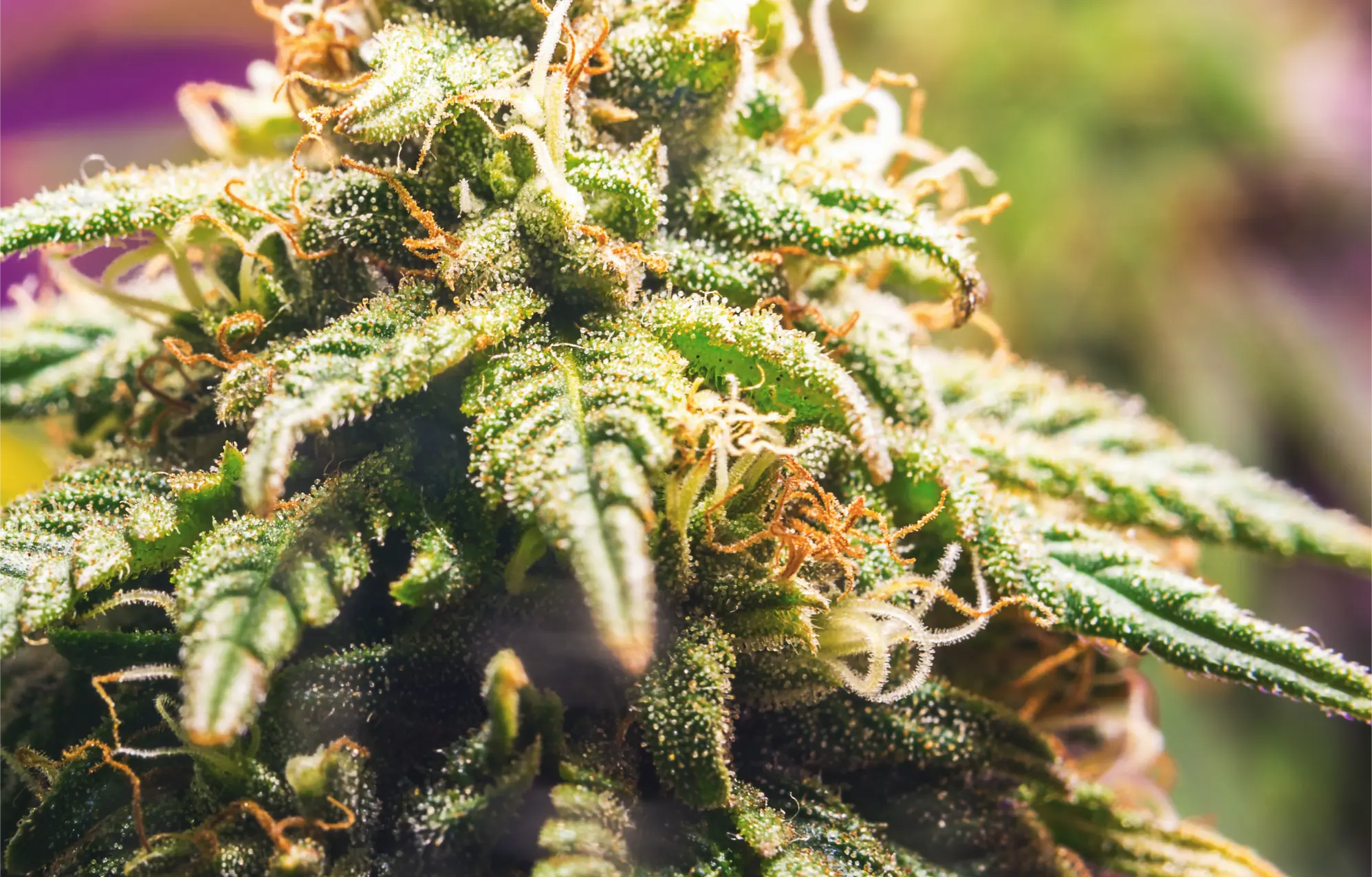
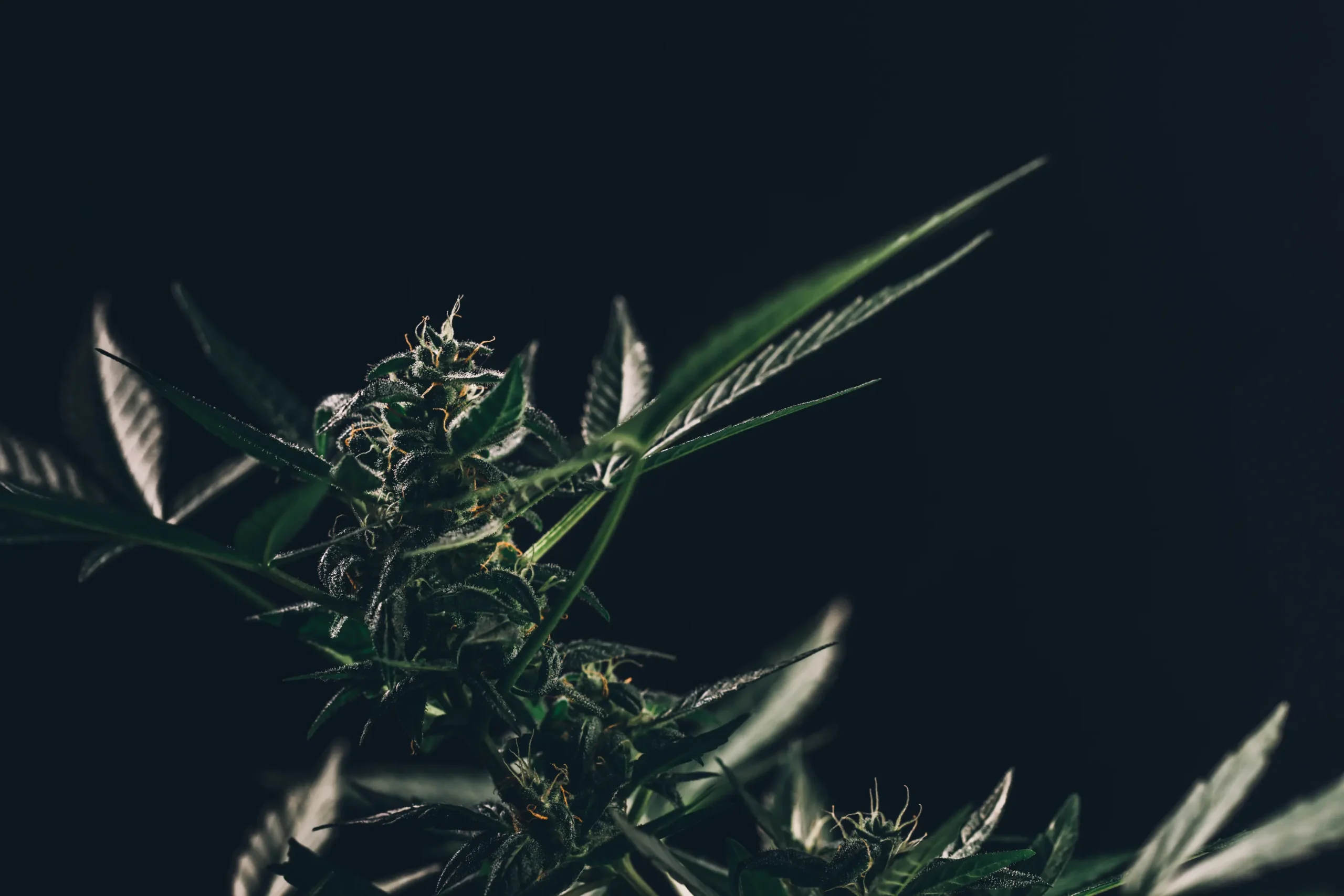
The target is not generic cannabis perfection. The target is long sleeve-like colas with resinous chunky bracts, mature blue-purple streaking where expressed, intense dried-berry-date aroma and a fully developed immersive effect. That difference matters because several of these traits would look unusual if compared with a modern dense hybrid. Open flowers, long internodes, lighter foliage or a long flowering cycle can be normal genetic behavior rather than problems to correct.
Reference timing and chemistry should be treated as planning ranges rather than guarantees. Indoor flowering commonly runs 14-16 weeks, with a small number of earlier plants finishing around weeks 14-15. Outdoor maturity falls in December and January, and full-season regional crops can ripen around the end of January. THC is not consistently standardized, while traditional descriptions emphasize unusually strong psychoactivity. Seed-grown regional populations can vary enough that phenotype notes are part of cultivation, not optional record keeping.
Strain Fingerprint: Controlling an aggressively branching 14-16 week subtropical sativa so every long lateral receives enough light and support without turning the room into a humid, tangled canopy before the intensely psychedelic flowers fully mature.
Strain Features
| Feature | Details |
|---|---|
| Type | 100% sativa subtropical Northeast Indian landrace |
| Genetic background | pure Manipur-region sativa from the India-Myanmar border zone |
| Sativa / Indica | 100% sativa |
| THC | Not consistently standardized; traditional descriptions emphasize unusually strong psychoactivity |
| CBD | Not consistently standardized |
| CBG | Not consistently standardized |
| Indoor flowering | 14-16 weeks indoors, with a small number of earlier plants around 14-15 weeks |
| Outdoor harvest | December to January, with full-season regional crops ripening around the end of January |
| Yield | High when given a full season, large roots and room for lateral branching |
| Grow difficulty | Advanced indoors, Moderate outdoors in a warm subtropical climate |
| Plant structure | tall, vigorous and fast-growing subtropical sativa with aggressive lateral branching that can create an octopus-like finished plant |
| Typical height | Full-season outdoor plants can reach roughly 10-11 ft, with later plantings staying smaller |
| Flowering stretch | very high, with branches extending outward like veins as flowering progresses |
| Feeding tendency | light-to-moderate nutrition through stretch, then measured reproductive support once the plant is clearly flowering |
| Watering behavior | high water demand under warm humid conditions, but root zones still need drainage and oxygen to survive a 14-16 week bloom |
| Climate | warm tropical or subtropical conditions with heavy summer monsoon rainfall and mild winter temperatures |
| Resistance | very high botrytis resistance, high powdery mildew and whitefly resistance, average-high mite resistance and strong tolerance of heat, rain and wind |
| Aroma | caramelized dried forest fruit, blueberry-like berry paste, dried date jam, floral notes and fresh pine-wood oil |
| Flavor | sweet dried berries, date paste, floral resin, pine wood, fresh wood chips and a deep hash-like finish |
| Effect | overwhelming, immersive and increasingly psychedelic, with forehead pressure, heightened sound sensitivity and long thought-train effects |
The table shows why Manipuri needs a cultivar-specific method. Height and stretch dictate room geometry. Flowering duration dictates how long roots must remain healthy. Resistance defines environmental margin. Feeding tendency determines whether a modern high-EC recipe will improve flower mass or simply create excess leaf.
The most useful quality benchmark is long sleeve-like colas with resinous chunky bracts, mature blue-purple streaking where expressed, intense dried-berry-date aroma and a fully developed immersive effect. A grow that reaches that target is more successful than one that produces greater total biomass while losing aroma, resin integrity or mature flower texture.
Genetic Lineage
Manipuri belongs to pure Manipur-region sativa from the India-Myanmar border zone. Regional cannabis populations are shaped by climate, farmer selection, local use and long-term open pollination. That history creates a broader genetic field than a single elite clone, which is why the same strain name can still contain meaningful plant-to-plant variation.
The recurring phenotype framework is: green plants often lean more floral, purple plants more berry-heavy, while branch arrangement and exact flower-cluster geometry can vary. These differences should be recorded instead of immediately corrected. A purple stem, narrow leaf, long internode or unusual flower shape may be genetic expression. The first question should be whether the plant is healthy, not whether it looks like a modern hybrid.
For keeper selection, one dramatic trait is not enough. The tallest plant may be too late. The most colorful plant may have weak aroma. The heaviest plant may cure flat. A useful keeper combines practical structure, stable flowering, resin, aroma persistence and an effect that represents the population.
The lineage also explains environmental behavior. warm tropical or subtropical conditions with heavy summer monsoon rainfall and mild winter temperatures. That adaptation is a starting advantage, but controlled cultivation still improves quality when roots are oxygenated, branches are supported and late flowers stay dry enough to preserve resin.
Effect Breakdown
Initial phase
The first impact can be strong and head-focused, often creating pressure or massage-like sensation around the forehead.
The intensity of this stage depends on dose and tolerance. The same cultivar can feel functional at a low dose and immersive or sedating at a higher one, so effect descriptions should be treated as direction rather than certainty.
Building phase
The effect intensifies rather than simply plateauing. Sound sensitivity, internal imagery and multiple thought paths can become more pronounced.
The intensity of this stage depends on dose and tolerance. The same cultivar can feel functional at a low dose and immersive or sedating at a higher one, so effect descriptions should be treated as direction rather than certainty.
Peak and late phase
The high can feel dreamy, surreal and immersive while remaining alert. Experienced consumers are more likely to enjoy the depth than low-tolerance users.
The intensity of this stage depends on dose and tolerance. The same cultivar can feel functional at a low dose and immersive or sedating at a higher one, so effect descriptions should be treated as direction rather than certainty.
Overall, the cultivar is associated with overwhelming, immersive and increasingly psychedelic, with forehead pressure, heightened sound sensitivity and long thought-train effects. Harvest maturity can shift the balance. Cutting too early often makes the first phase sharper and shorter. Letting an already mature plant run too long can soften the brighter side and increase physical weight.
Warning
Leave time for the intensity to build
Manipuri can open with fast energy and continue expanding into a much more immersive state. Start low and wait before adding more, especially with an unfamiliar purple or early-harvest phenotype.
Flavor & Aroma Profile
On the living plant, mature flowers should move toward caramelized dried forest fruit, blueberry-like berry paste, dried date jam, floral notes and fresh pine-wood oil. Fresh flower still contains water and green plant volatiles, so the final jar does not reveal itself completely until drying and curing remove that interference.
After cure, the flavor target is sweet dried berries, date paste, floral resin, pine wood, fresh wood chips and a deep hash-like finish. The best samples show layers rather than one loud smell. Bright fruit, floral, mint, citrus or anise notes usually sit above deeper wood, resin, hash or spice. Those lighter top notes are also the first to disappear when late-flower temperatures are excessive or drying is too fast.
A practical flavor test begins before harvest. Smell the same flower site at similar times of day during the final two weeks. If the high notes disappear after a heat event, the plant is already showing the cost of the environment. That observation should influence the next run.
After drying, compare whole-bud aroma with the smell released after breaking the flower. Strong internal aroma suggests the resin and volatile chemistry survived inside the bud rather than existing only as a surface smell. That is one reason gentle handling matters.
Weedth Flavor Target: long sleeve-like colas with resinous chunky bracts, mature blue-purple streaking where expressed, intense dried-berry-date aroma and a fully developed immersive effect
Dominant Terpenes
| Terpene / Evidence | Status | Interpretation |
|---|---|---|
| Laboratory status | Not analyzed | The exact terpene profile is not established for this landrace preservation. |
| Berry / dried-fruit volatiles | Strong sensory evidence | The population repeatedly shows blueberry-like and dried-date sweetness. |
| Floral compounds | Phenotype-linked | Green plants can lean more floral, while purple plants often intensify berry character. |
| Woody volatiles | Strong sensory evidence | Pine-wood oil and fresh wood-chip notes form a consistent background. |
| Hash / resin notes | Secondary sensory layer | Cured flower can develop deeper resinous notes beneath the fruit and wood. |
A precise terpene chart is not justified for this exact regional population. Sensory descriptions can be consistent without proving a laboratory percentage. The more accurate approach is to separate documented aroma from chemical inference.
Terpenes are horticulturally useful because they are volatile. A hot canopy, repeated drought stress or rapid drying can reduce aromatic quality without producing an obvious visual disaster. The grower can therefore use aroma as an additional late-flower quality signal.
For Manipuri, the practical goal remains long sleeve-like colas with resinous chunky bracts, mature blue-purple streaking where expressed, intense dried-berry-date aroma and a fully developed immersive effect. If the final jar has lost the upper aromatic layers, the next run should examine temperature, harvest timing, dry speed and handling before changing genetics.
Indoor vs. Outdoor Growing
| Aspect | Indoor | Outdoor |
|---|---|---|
| Architecture | tall, vigorous and fast-growing subtropical sativa with aggressive lateral branching that can create an octopus-like finished plant | tall, vigorous and fast-growing subtropical sativa with aggressive lateral branching that can create an octopus-like finished plant with greater root volume and environmental expression |
| Flowering / season | 14-16 weeks indoors, with a small number of earlier plants around 14-15 weeks | December to January, with full-season regional crops ripening around the end of January |
| Main challenge | controlling an aggressively branching 14-16 week subtropical sativa so every long lateral receives enough light and support without turning the room into a humid, tangled canopy before the intensely psychedelic flowers fully mature | weather, season length, support and site access |
| Feeding | light-to-moderate nutrition through stretch, then measured reproductive support once the plant is clearly flowering | light-to-moderate nutrition through stretch, then measured reproductive support once the plant is clearly flowering adjusted for native soil fertility and rainfall |
| Climate control | High control over light, temperature, humidity and irrigation. | warm tropical or subtropical conditions with heavy summer monsoon rainfall and mild winter temperatures |
| Best advantage | Phenotype-specific timing and precise canopy control. | Sunlight, root scale and expression of regional adaptation. |
Indoors, the main cost is geometry. The grower has to fit very high, with branches extending outward like veins as flowering progresses into a room while preserving enough horizontal space for air and light. That is why transition height is a cultivar-specific number rather than a universal rule.
Outdoors, the plant can use its natural scale, but the season becomes the hard limit. warm tropical or subtropical conditions with heavy summer monsoon rainfall and mild winter temperatures. A site that receives morning sun and drains quickly after rain will use that adaptation better than a sheltered but stagnant corner.
Neither environment is automatically superior. Indoor gardens trade scale for control. Outdoor gardens trade control for root volume, sunlight and regional expression. The best choice is the environment in which the strain’s main limitation can be managed consistently.
Strain-Specific Grow Guidance
Manipuri is a ganja landrace, not a fibre-and-resin multipurpose Himalayan population and not a compact modern hybrid. It was cultivated in the Imphal Valley for flowering tops, with farmer selection directed toward the plants considered strongest and most useful for the following season. That history explains why the plant can combine a long tropical-sativa cycle with more organized, resinous flower development than a random feral population. It also explains the central indoor challenge: the plant invests heavily in lateral branches and needs enough uninterrupted time for those branches to become mature flowering sleeves.
Translate the traditional field system carefully
Historical descriptions of licensed Manipur cultivation document deliberate nursery raising, careful field preparation and transplanting once seedlings were established. Plants were reported to reach roughly 10 to 12 feet, and harvest followed in December or January. A modern accession description likewise places regional harvest around five to six months from seed and notes plants up to about four metres. The precise sowing calendar differs among accounts and eras, but both tell the same horticultural story: this is a cultivated, full-season ganja plant whose root system and branch map are established before the final flowering push.
| Documented clue | What it says about Manipuri | Modern grow-room interpretation |
|---|---|---|
| Seedlings historically raised before field transplant | Farmers treated establishment as a separate phase rather than broadcasting and ignoring the crop | Build a healthy root ball, but do not confuse establishment with a long indoor vegetative period |
| Fields prepared to a fine, loose condition | Root access and cultivated soil were part of the production system | Use an aerated, durable medium that remains functional for a long bloom |
| Plants reported around 10-12 feet and modern accessions up to about four metres | Large size is normal expression, not an exceptional phenotype | Flip early, reserve lateral room and install support before the canopy is full |
| Harvest in December-January, with some earlier plants | Seasonal completion is late and phenotype-dependent | Do not cut a plant only because a fourteen-week indoor calendar feels long |
| Seed retained from favored potent plants | Manipuri is farmer-selected ganja, but still a population rather than a clone | Label phenotypes and compare cured flower before choosing a keeper |
| Green and purple “chakhao” expressions | Colour and aroma variation are part of the accession | Track colour separately from finish date, resin and effect |
Indoor flip timing: establish roots, then change direction
Manipuri does not need a room-filling vegetative phase. From seed, move to flowering once the plant is rooted, sexually mature enough to transition reliably and has several laterals long enough to guide. The remaining open space is not lost production; it is the space those branches will occupy during the extended transition.
Clones from a known female can be timed more tightly, but a new seed population deserves conservative planning. Leave more headroom than a hybrid chart suggests and assume the canopy will grow outward as well as upward. If a plant has already reached the light’s ideal footprint before the flip, the grower is beginning the difficult part too late.
Train by branch hierarchy, not by top count
Manipuri’s side branches can behave like competing main stems. Repeated topping often multiplies the very problem the grower is trying to solve. A better first-run method is to identify a limited number of strong structural laterals, spread them into separate lanes and remove weaker rivals that would occupy the same light and air.
One early topping is optional where vertical space is restrictive. Low-stress training and a wide screen are more important. Continue positioning through the first part of stretch, then let selected branches rise into flowering sleeves. Major bending should stop before stems stiffen and flower clusters gain weight. Late emergency folds on long branches are hard to support cleanly and can create a permanent damp repair site.
Choose a branch hierarchy
Assign the strongest laterals their own light lanes and remove direct competitors once the stretch pattern is clear.
Multiplying leaders repeatedly
Serial topping can turn Manipuri into a humid knot of equal branches that cannot be supported or illuminated through a fourteen-to-sixteen-week bloom.
Pruning: simplify the octopus
The most useful pruning window runs from late vegetative growth to the end of stretch. Remove thin inward-facing laterals, branches trapped below the screen and shoots that share the same space with a stronger arm. The goal is not a bare lower trunk for its own sake. It is a legible structure in which every retained branch can be inspected, supported and dried without rubbing against its neighbour.
Once flowers are established, defoliate only where a leaf blocks an entire productive lane or creates a wet contact point. Manipuri’s long branches carry many useful secondary sites, so aggressive late lollipopping can discard real yield. Conversely, leaving every branch produces a large quantity of small shaded material that lengthens trim time and raises humidity. The right decision follows light access and branch position, not a fixed “lower third” rule.
Root volume and irrigation across a long cycle
A fourteen-to-sixteen-week flower period exposes weak drainage, small containers and inconsistent irrigation. Choose root volume for the mature canopy, not the size of the plant at the flip. If the room cannot accommodate a larger container, reduce the number of structural branches. A restricted root ball underneath an aggressively expanding canopy creates constant dry-back pressure and makes salt accumulation more likely.
Keep the medium aerated and moisture changes gradual. Manipuri’s thin-leaf canopy can use water quickly under strong light and heat, then slow as temperatures fall late in the cycle. Repeating the peak-stretch irrigation volume after drinking has declined can leave the roots cold and wet for days. Track pot weight or substrate moisture, runoff trend and the time required to return to the irrigation threshold.
Feeding behavior: respect the evidence of a lean field crop
Historical accounts describe only modest local soil additions after transplant rather than intensive fertilization. That does not create a laboratory nutrient prescription, but it argues against treating Manipuri as a heavy feeder simply because it becomes large. Begin moderately, read the plant and protect the long finish from salt accumulation.
During stretch, maintain enough nitrogen for new branch and leaf formation without forcing dark green, soft tissue. Once flowers organize, shift gradually toward reproductive balance. Avoid stacking several bloom additives in search of denser buds. The accession’s value lies in long resinous flower sleeves and complex effect, not in imitating a compact hybrid’s calyx-to-space ratio. Excess late nitrogen extends leaf growth into the flowers and can delay the already long ripening curve.
Correct actual deficiencies individually. Fast growth can reveal calcium or magnesium problems in water or coco systems, but automatic supplementation without water analysis can create antagonism. The safest first-run feeding record includes input EC, runoff or substrate trend, leaf colour, tip response and daily water use. The ceiling is the strongest stable level the plant uses cleanly, not the highest number it survives.
Light: build coverage before intensity
Manipuri needs strong light to mature a large number of flower sites, but high average coverage matters more than a few brilliant tops. A wide canopy, long laterals and substantial vertical movement make geometry the limiting factor. Finish branch placement first, then increase intensity gradually while watching leaf angle, top temperature and irrigation demand.
A standard 12/12 photoperiod is the responsible baseline for an unknown seed run. Longer flowering photoperiod experiments belong to selected clones after the accession’s transition behaviour is known. With a plant already predisposed to long growth and a late finish, extending the light period on the discovery run can add architecture faster than the room can organize it.
Humidity and disease: adaptation is not permission
The Imphal Valley has a humid subtropical climate and the accession is described as tolerant of heat, rain, wind and common fungal pressure. Its flowers are not built like solid indica clubs, which helps air move through them. The indoor risk comes from changing that architecture: branches overlap, a screen is filled too tightly and transpiration from a huge leaf area overwhelms dehumidification.
Move air along each lateral lane and underneath the screen. Keep early flower relative humidity controlled enough for the large canopy, then lower it as flower sleeves gain mass. Outdoors, stake widely, leave access paths and inspect the inside of tied branches after rain. Fungus resistance provides recovery margin; it does not make semi-dry flower safe to compress in a humid room.
Flower development and support
Manipuri can build long, sleeve-like colas with chunky bracts rather than one compact central spear. Install a second support layer before those sleeves become resinous and alter the branch angle. The aim is to hold each arm in its own airspace. Tying several heavy branches into one bundle saves space temporarily and creates a moisture trap later.
Do not mistake the first long run of pistils for imminent maturity. The plant may continue adding bracts and resin for many weeks. Photograph the same marked flower every seven days. The sequence of bract swelling, pistil slowdown and resin change is more informative than comparing the plant with a faster strain in the same room.
Green, purple and “chakhao” phenotypes
Purple variants are traditionally prized and are associated with the term “chakhao,” also used for aromatic black sticky rice. Colour can be beautiful and may coincide with a darker fruit direction, but it is not a complete selection criterion. Green plants can be more floral or pine-forward, and either colour can carry the stronger effect.
Keep phenotype codes through harvest, drying and cure. Record whether colour began genetically under warm conditions or intensified only after cool nights. Compare finish date, resin texture, dried aroma and effect blind. Selecting only by late-season purple risks discarding a better-adapted green plant.
Harvest: completion before convenience
Some plants may be ready in the earlier part of the range, while others continue toward sixteen weeks or beyond depending on environment and photoperiod response. Follow swelling bracts, declining fresh floral growth, resin condition and aroma across multiple laterals. A late purple colour shift is not a harvest signal by itself.
Large plants may mature unevenly enough to justify branch harvests. Take completed upper or exposed sleeves while allowing later interior branches to continue if climate control is secure. An early cut can preserve a sharp energetic onset but lose the full dried-fruit aroma and the immersive progression associated with mature flower.
Warning
Do not copy the traditional compression step without process control
Historical Manipuri ganja preparation included binding partly dried flowers in cloth before final drying and curing. In a modern small-scale room, compressing flower that still holds uneven internal moisture can create mold and microbial risk. Preserve the cultural context, but use measured moisture, clean handling and full drying before any storage pressure.
Weedth Bud Flavor Tips
Manipuri aroma is best treated as phenotype territory rather than one guaranteed recipe. Documented descriptions include hops, mint, earth and tangerine, while selected purple expressions may move toward dark berries, dried fruit, date-like sweetness, flowers, pine oil and warm wood. The common grower mistake is to force every plant into a berry narrative and overlook a cleaner citrus-mint or hop-resin female.
Map each phenotype before harvest
Smell a marked flower and its supporting stem at the same stage each week. Note the first clear direction, the week of peak intensity and whether the aroma survives warm afternoons. Compare green and purple plants without seeing their labels if possible. Visual expectation can make a purple flower seem fruitier than it actually is.
Let resin and aroma converge
Early flower may smell bright while the effect and lower resin layers remain incomplete. Near maturity, tangerine or mint should feel integrated with earth, hop resin, wood or dried fruit rather than sitting on top of a green plant smell. Harvesting only to save the sharpest top note can leave the smoke thin; waiting far beyond completed bract growth can flatten the lift.
Dry long sleeves as branches, not pressed bundles
Begin with separated branches in darkness, gentle indirect air exchange and approximately 16-20°C at 55-60% relative humidity. The exact duration depends on flower spacing, retained leaf and branch thickness. Manipuri sleeves can look substantial while still containing channels of air, so they may dry faster than dense hybrid colas of the same visual size.
Handle by stems and prevent long flowers from rubbing across screens or one another. Avoid direct fans. If a leafy interior section is drying much more slowly, divide it instead of keeping the entire branch intact for appearance.
Cure the spectrum, not one mixed batch
Jar or seal each phenotype separately only after moisture has equalized. Use a practical internal target near 58-62% relative humidity and respond to smell and texture. Dark fruit and date-like notes may deepen over several weeks, while tangerine, mint and hop-like notes are more vulnerable to repeated warm openings.
Keep smaller long-term samples so the main comparison jar is not opened daily. At four and eight weeks, score aroma persistence, smoke texture and effect. The most useful keeper is the phenotype that retains identity after cure, not the loudest fresh branch.
Pro Tip: For a purple and a green finalist, prepare equal-size samples under identical drying conditions and evaluate them blind after one month. If the “chakhao” sample still wins without its colour being visible, the selection is based on flower quality rather than expectation.
Weedth Bud Boost Tips
Manipuri yields through branch organization. Its natural tendency is to produce many strong laterals over a long season; the grower’s task is deciding which of those laterals can actually mature inside the available light, root and climate budget.
Set a branch budget
Choose the number of primary arms the room can illuminate and support. Four well-spaced sleeves can outperform ten competing leaders when the smaller structure receives better average light and dries more safely. Outdoors, the budget can be larger, but inspection paths and storm support still set a practical limit.
Use the screen as a map
Assign each selected lateral a lane and leave open squares between vigorous arms. A completely filled screen at the flip is a warning, not an achievement. The empty spaces are where Manipuri’s transition growth must go.
Match roots to flowering time
Long-cycle yield disappears when the root zone is exhausted before the flowers finish. Use enough substrate for stable moisture and keep drainage open. If the plant dries excessively fast by early flower, reduce canopy or automate smaller irrigations rather than letting repeated wilt cycles define the run.
Prune competitors, preserve productive length
At the end of stretch, remove branches that share the same lane with a stronger arm and shoots permanently trapped below the useful light field. Keep secondary flowers positioned along illuminated sleeves. Manipuri is not helped by turning every branch into a bare stick.
Add support before bulk
A second net or individual ties should be ready before the long colas become heavy. Support maintains separation and keeps flower surfaces exposed to moving air. Waiting until branches sag forces them into crowded emergency positions.
Stabilize inputs instead of spiking them
Manipuri has weeks to accumulate flower mass. It does not need a dramatic one-week bloom push. Hold a moderate, usable nutrient level, keep the root zone clean and let light drive photosynthesis. A booster that raises substrate EC while water use slows can cost more late-cycle flower than it adds.
Finish every retained arm
The final yield calculation should exclude immature lower material and weather losses. If a technique increases wet biomass but produces more airy unfinished trim, it is not a boost. The most profitable improvement may be an earlier phenotype or a smaller plant that reaches full resin maturity inside the real season.
Master Advice: Manipuri does not need encouragement to branch. It needs editorial control. Select the arms that deserve fourteen to sixteen weeks of light, remove their direct competitors and protect those chosen flowers all the way through the dry.
Medical Uses & Benefits
This section is educational and conservative. A named strain is not a medicine with standardized composition. The same seed population can produce different cannabinoid ratios, and clinical research usually evaluates cannabinoids or formulations rather than one strain name.
Mood And Sensory Engagement
Some users may value the intense cerebral lift for temporary mood change or engagement, but the effect is too strong to present as universally functional.
Fatigue
The alertness can feel activating, though high doses may become mentally consuming rather than productive.
Pain Distraction
A very immersive effect may make mild discomfort less central for some consumers, but this is not proof of analgesic action.
Anxiety And Psychosis Caution
A powerful psychedelic sativa can aggravate anxiety, panic or destabilizing thought patterns in vulnerable users.
The reference effect is overwhelming, immersive and increasingly psychedelic, with forehead pressure, heightened sound sensitivity and long thought-train effects. Consumers should match that direction to their own tolerance, medications and goals. A stimulating cultivar can worsen anxiety or sleep problems. A heavy cultivar can impair daytime function.
Anyone using cannabis for a medical condition, taking prescription medication, pregnant or breastfeeding, or managing psychiatric, neurological or cardiovascular risk should discuss use with a qualified health professional.
Ideal User Profile
Manipuri best suits a consumer who actually wants overwhelming, immersive and increasingly psychedelic, with forehead pressure, heightened sound sensitivity and long thought-train effects. Choosing by THC percentage alone misses the character that makes a landrace or heritage strain interesting.
Experienced consumers are more likely to appreciate the full effect. Lower-tolerance users should start with a small amount because the mental phase can continue building after the first few inhalations.
Flavor-focused users should look for sweet dried berries, date paste, floral resin, pine wood, fresh wood chips and a deep hash-like finish. A sample that no longer shows those defining notes may still be potent, but it is not expressing the cultivar at its highest quality.
The ideal grower is someone willing to label phenotypes, make structural decisions before flowering becomes crowded and protect the dry. These cultivars reward observation more than a rigid calendar.
Grower Notes and Feedback
Manipuri grow reports should be read with attention to provenance and phenotype. “Manipuri ganja” can also refer broadly to regional market flower, while this profile concerns a cultivated Imphal Valley accession. Even within that population, colour, aroma, branch arrangement and finish date can vary. A single plant is evidence about that plant, not a complete definition of the landrace.
Record the first strong lateral, not only total height
Height alone misses what makes Manipuri difficult indoors. Note the date side branches begin accelerating, their angle from the stem and how many reach the main light field. Those observations determine screen width and plant count more directly than the tallest tip.
Separate “flip date” from “flowering onset”
Write down when the timer changes and when each female forms consistent flowers. Long-transition plants can appear to have an exceptionally long bloom when part of the delay occurred before real floral development. This distinction helps identify earlier keepers without forcing the entire population into one calendar.
Track support as a quality variable
Record when branches first lean and where two sleeves begin touching. Support added before that date preserves light and air; support added afterward mainly repairs lost geometry. On the second cycle, the support date can be moved earlier without copying the whole grow schedule.
Do not let purple colour erase the rest of the notebook
For every “chakhao” candidate, score aroma blind, resin feel, flower-to-leaf ratio, finish date and effect. Compare it with the best green female. A colour keeper that finishes too late or cures flat is a visual selection, not necessarily a cultivation improvement.
Document the dry by branch type
Long exposed sleeves, leafy inner branches and smaller lower flowers may reach curing condition on different days. Note which sections required division and which lost their tangerine or mint layer first. That record informs harvest segmentation and drying-room layout on the next run.
A strong Manipuri log includes accession and plant code, sex, first flower, lateral count, maximum stretch, support date, nutrient ceiling, humidity during bulk, phenotype colour, peak aroma, harvest date, dry duration and cured effect. The notebook should make the next room easier to design, not merely prove that the plant became large.
Weedth Experience
Manipuri interests me because it sits at a cultural and botanical crossing point. To the west lies the historic Bengali ganja world; to the east are Burma, Thailand and Laos. In the plant, that geography feels less like a pedigree claim and more like a habit of growth: tropical reach, many ambitious laterals, a long finish and an effect that can become far more intense than the loose visual structure suggests.
I would begin the run with restraint and a pencil. Before thinking about boosters or final yield, I would decide how many branches I am prepared to carry for four months. That is the commitment Manipuri asks for. Every lateral left in place becomes a demand for light, water, support, dehumidification and attention. The plant makes abundance easy; the grower has to make importance clear.
The first moment I would enjoy is the point when the screen stops looking empty and the chosen arms begin to claim their lanes. There is something satisfying about a plant whose architecture can be read from across the room. I would not try to make it symmetrical for a photograph. I would aim for separation, access and a quiet centre where air can move.
Its history of nursery establishment and field transplant also changes how I think about the roots. This is not a plant I would rush into bloom with a weak root ball, yet I would avoid the opposite mistake of giving it weeks of unnecessary indoor veg. I want establishment without excess: roots capable of a long finish and a top small enough to direct.
Late flower is where patience becomes emotional rather than technical. Fourteen weeks can feel like a promise fulfilled, especially when another plant has already been harvested and cured. But a Manipuri female still adding meaningful bract mass is not late because the grower is tired. I would follow the branch, not the calendar, and accept a staged harvest if the plant has written two finish dates into the same canopy.
I am especially drawn to the argument between the green and purple phenotypes. The purple “chakhao” plant will win attention instantly, but I would refuse to choose until the jars are anonymous. If the green flower opens with tangerine, mint and hop resin while the purple one offers only colour and sweetness, the green plant deserves the room. If the purple keeps its dried-berry depth and matches it with a complete soaring effect, then the name has earned substance.
As smoke, the best Manipuri is not something I would schedule between errands. Its energetic opening can continue widening into a vivid, immersive state. I would choose a low dose, an unhurried setting and enough time to understand the second half of the experience. The appeal is not sedation or background comfort. It is the feeling that the flower keeps unfolding after the first impression.
What I ultimately respect is that Manipuri exposes indecision. Leave every branch, feed every pale leaf, harvest every plant together and the run becomes confused. Make clear selections early, keep the roots steady and let each phenotype finish honestly, and the cultivar reveals why farmers kept choosing seed from favored ganja plants in the first place.
Weedth Score
Growing Experience 7.7/10 Reward relative to the cultivar-specific work required.
Bud Structure & Visual Appeal 9.4/10 How well mature flowers express the natural structure and resin.
Aroma Complexity 9.7/10 Depth, separation and distinctiveness of the aromatic profile.
Flavor & Smoothness 9.5/10 How clearly flavor survives a controlled dry and cure.
Effects & High Experience 9.8/10 How completely the experience reflects the cultivar’s identity.
Overall Satisfaction & Recommendation 9.3/10 Overall value for growers and consumers who understand its niche.
Overall average: 9.2/10. This is not a universal ranking. The score reflects how completely Manipuri delivers its own identity when grown and finished well.
Personal Closer: Manipuri is worth growing when the goal is to preserve its character, not to make it resemble a different plant.
FAQ
Grower Question
Is Manipuri beginner-friendly?
The main challenge is controlling an aggressively branching 14-16 week subtropical sativa so every long lateral receives enough light and support without turning the room into a humid, tangled canopy before the intensely psychedelic flowers fully mature. A careful beginner can learn from it, but growers with experience in canopy and irrigation management will reach consistency faster.
How long does Manipuri flower?
Indoor flowering is 14-16 weeks indoors, with a small number of earlier plants around 14-15 weeks. Outdoor maturity is December to January, with full-season regional crops ripening around the end of January, with phenotype and latitude affecting the exact date.
How much does Manipuri stretch?
The reference pattern is very high, with branches extending outward like veins as flowering progresses. Flip height should be planned from the final room, not from vegetative plant size.
How heavily should Manipuri be fed?
The best reference is light-to-moderate nutrition through stretch, then measured reproductive support once the plant is clearly flowering. Increase strength only when roots, light and plant demand support it.
Is Manipuri good outdoors?
Its climate profile is warm tropical or subtropical conditions with heavy summer monsoon rainfall and mild winter temperatures. Outdoor success still depends on drainage, morning sun and enough season length.
What is the biggest grow mistake?
Controlling an aggressively branching 14-16 week subtropical sativa so every long lateral receives enough light and support without turning the room into a humid, tangled canopy before the intensely psychedelic flowers fully mature.
When should Manipuri be harvested?
use trichome maturity, swelling bracts and slowing new floral growth across multiple laterals; late-season color should not replace maturity assessment.
What should good flower smell like?
Expect caramelized dried forest fruit, blueberry-like berry paste, dried date jam, floral notes and fresh pine-wood oil. After cure, the target flavor is sweet dried berries, date paste, floral resin, pine wood, fresh wood chips and a deep hash-like finish.
Does phenotype selection matter?
green plants often lean more floral, purple plants more berry-heavy, while branch arrangement and exact flower-cluster geometry can vary.
Who is Manipuri best for?
Consumers seeking overwhelming, immersive and increasingly psychedelic, with forehead pressure, heightened sound sensitivity and long thought-train effects and growers willing to manage the cultivar on its own terms.
Similar Strains
Vietnam Black
a neighboring-region sativa with huge branching and darker psychedelic character
Kerala
another South Asian landrace with long flowering and strong sensory identity
Mama Thai
shares Southeast Asian-style duration and energetic effect
Chocolate Thai
another long tropical sativa with old-school aroma and cerebral effect
Zamaldelica
an intensely psychoactive tropical-sativa comparison
Utopia Haze
a long-running cerebral cultivar where maturity and canopy control matter
Similar strains are most useful when the reader knows what is being compared. Flowering speed, climate adaptation, aroma, genetics and psychoactive direction are separate dimensions. No alternative is a complete replacement.
Share this article
A quick overview of the topics covered in this article.
Follow us
Latest articles
October 24, 2026
October 24, 2026
October 24, 2026
October 24, 2026