
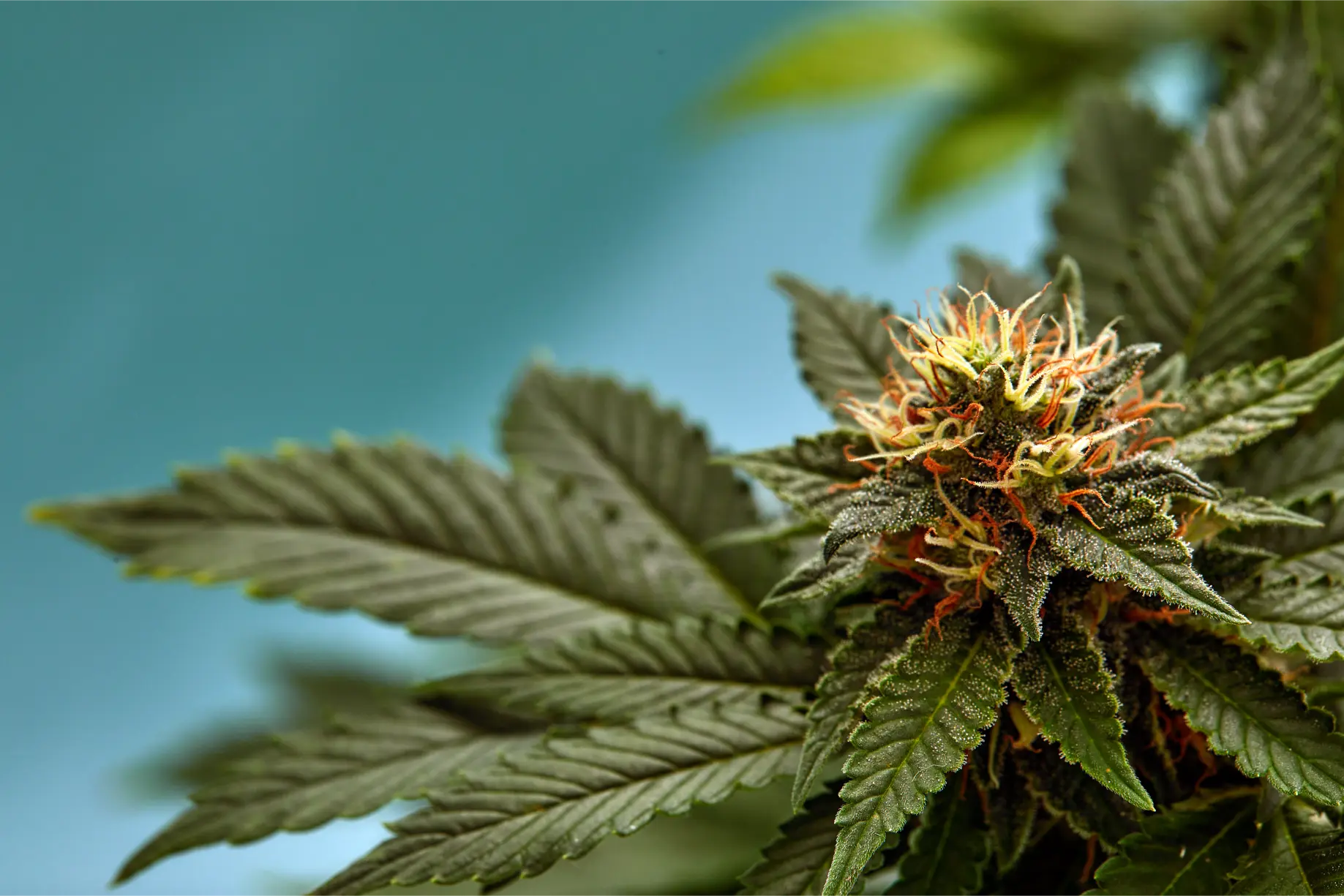
Vanilla Kush
Few cultivars in modern dispensary catalogs suffer from as pervasive an identity crisis as Vanilla Kush. To read standard seed descriptions is to believe one is cultivating a predictable, squat, eight-week indica designed for cramped commercial sea-of-green canopies. Yet inside actual grow rooms, cultivators who pop regular or feminized seed lines frequently discover that Barney’s Farm’s 2009 Cannabis Cup victor harbors a striking genetic duality. Beneath its sweet, pastry-shop moniker lies a volatile tug-of-war between two vastly different ancestral environments: the arid, sun-scorched river valleys of the Hindu Kush and the lush, mist-drenched alpine foothills of Kashmir. When these landrace powerhouses collide, they do not produce a uniform, predictable clone-like army; they yield an expressive phenotypic spectrum ranging from compact, resin-drenched hash bricks to towering, narrow-leafed aromatic spears that laugh at arbitrary eight-week harvest schedules.
The agronomic confusion surrounding Vanilla Kush stems almost entirely from this unheralded Himalayan heritage. While the Afghan Kush parental lineage behaves with classic broadleaf discipline – producing thick, woody stems, squat internodes, and heavy, dark foliage – the wild Kashmiri charas genetics introduce vigorous apical dominance, elongated petioles, and high transpiration dynamics. Cultivators who treat every sprouting seed as an identical commercial indica often encounter severe canopy imbalances by week three of flower. Afghan-dominant individuals lock their stretch at thirty percent and begin packing massive calyx clusters along their central stems, whereas Kashmir-dominant sisters can easily surge one-hundred-and-fifty percent in vertical height, creating an uneven, stepped canopy that confounds stationary lighting arrays.
Compounding this structural variation is the cultivar’s extraordinary sensitivity to thermal stress and atmospheric humidity. The unique olfactory signature of Vanilla Kush – a complex fusion of Bourbon vanilla, French lavender blossoms, wildflower honey, and aged mountain hash – is governed by delicate monoterpenes, predominantly linalool, alpha-pinene, and myrcene. Unlike hardy desert landraces that shrug off 85-degree Fahrenheit temperatures, Vanilla Kush rapidly sheds its ethereal floral bouquet under excessive canopy heat. When pushed under hot, uncooled fixtures, the glandular trichome heads volatilize their fragile aromatic fractions, leaving behind a nondescript, bitter woody smoke. Furthermore, the extreme density of the finished calyxes creates a hazardous internal microclimate in late flowering, where cool autumn night dews and heavy Great Lakes humidity can trigger catastrophic botrytis if air circulation stalls.
In our current cultivation evaluation, we explored how Vanilla Kush performs across its phenotypic spectrum within a modern living-soil organic framework. Departing completely from standard synthetic hydro salts and rigid plastic pots, we established eight seed-selected female specimens across two 150-gallon low-profile geotextile raised beds. The substrate was a biological living soil blend combining coarse Canadian sphagnum peat, aged forest leaf mold, dark worm castings, and porous volcanic pumice, remineralized with glacial basalt dust and oyster shell flour. To maintain optimal root-zone metabolic rates above a chilly northern concrete floor, the fabric beds rested on slatted cedar benches fitted with automated low-draw silicone heat cables that maintained a constant 71 degrees Fahrenheit at the rhizosphere.
Overhead lighting was supplied by commercial multi-bar full-spectrum LED fixtures delivering 900 micromoles per square meter per second across the canopy, supplemented with independent far-red (730 nm) and near-UV (395 nm) diode channels. This controllable spectral distribution allowed us to deliver deep photon penetration without the convective thermal punishment of traditional gas-discharge lamps, keeping ambient canopy temperatures locked at a gentle 76 degrees Fahrenheit. Outdoors, we evaluated environmental hardiness by transplanting a mirrored cohort into a south-facing hillside terrace amended with hugelkultur wood cores and mature compost. To buffer the dense floral spears against violent late-September precipitation squalls and chilly 42-degree Fahrenheit mountain drafts, we sheltered the bed beneath an automated retractable polycarbonate cold-frame awning that provided uninterrupted lateral air exchange while keeping rainwater off the ripening bracts.
Strain Features
| Feature | Details |
|---|---|
| Cultivar Name | Vanilla Kush |
| Original Breeder / Source | Barney’s Farm (Amsterdam, Netherlands; bred by Derry in the late 2000s) |
| Competition Accolades | 2nd Prize Overall / 1st Prize Best Indica at the 2009 High Times Cannabis Cup |
| Genetic Lineage | Kashmir Landrace (Himalayan alpine charas plant) x Afghan Kush (Hindu Kush landrace) |
| Chemotype Category | Type I THC-dominant with active terpene complexity (trace CBD / CBG / CBC) |
| Average THC Range | 20% to 24% (exceptional resin-selected phenotypes reach 26%) |
| CBD / Minor Cannabinoids | CBD: 0.1% to 0.4% | CBG: 0.8% to 1.4% | CBC: 0.2% to 0.5% | CBN: <0.2% (rises with amber cure) |
| Dominant Terpenes | Beta-Caryophyllene, Linalool, Alpha-Pinene, Beta-Myrcene, Limonene, Terpinolene |
| Total Terpene Concentration | 2.2% to 3.5% dry weight in slow-cured organic living soil samples |
| Aroma Profile | Bourbon vanilla, dried lavender blossoms, wild clover honey, sweet citrus zest, aged sandalwood, mountain hash |
| Flavor Profile | Creamy vanilla pastry, floral lavender tea, caramelized sugar, earthy Kush spice, soft cedar wood |
| Primary Physiological Effects | Biphasic: immediate serene cerebral elevation and somatic calm, progressing to profound full-body muscular relaxation and sedative couch comfort |
| Flowering Duration (Indoor) | 9 weeks standard (58 to 65 days for Afghan pheno; 70 to 77 days for long-running Kashmir pheno) |
| Harvest Window (Outdoor) | Early to mid-October in northern temperate latitudes (must protect from late-season rains) |
| Indoor Vegetative Stretch | Phenotype-dependent: 30% to 50% for Afghan-dominant; 120% to 160% for Kashmir-leaning lines |
| Yield Potential (Indoor) | 500 to 600 grams per square meter under high-efficiency LED arrays |
| Yield Potential (Outdoor) | 600 to 900+ grams per plant in mature 100-gallon living soil beds with root insulation |
| Vegetative Growth Rate | Moderate to rapid; establishes deep fibrous root systems quickly in aerated substrates |
| Canopy Architecture | Dimorphic: squat Christmas-tree profile in Afghan pheno; open, candelabra branching with long terminal spears in Kashmir pheno |
| Foliage Morphology | Broad, dark emerald fans in early veg, shifting to slender, sharply serrated sun leaves in flower |
| Internodal Spacing | 0.8 to 1.5 inches in vegetative phase; expands up to 2.5 inches during floral stretch on sativa cuts |
| Optimal Vegetative Temp / RH | 74°F to 78°F (23°C to 26°C) | 65% to 70% RH (VPD: 0.9 to 1.1 kPa) |
| Optimal Flowering Temp / RH | 72°F to 76°F (22°C to 24°C) days, 64°F to 68°F nights | 40% to 48% RH late bloom (VPD: 1.3 to 1.5 kPa) |
| Late-Flower Night Drop Target | 58°F to 62°F (14°C to 17°C) during final 14 days to preserve linalool and express lavender pigmentation |
| Nutrient Sensitivity Profile | Moderate feeder; highly sensitive to late-bloom excess nitrogen and synthetic salt build-ups |
| Substrate pH Targets | Soil/Living Soil: 6.3 to 6.8 | Hydro/Coco Coir: 5.8 to 6.2 |
| Substrate EC Targets | Veg: 1.2 to 1.5 mS/cm | Peak Flower: 1.7 to 2.0 mS/cm | Late Ripening: 1.0 to 1.2 mS/cm |
| Drying & Curing Target | 14 to 18-day slow dry at 60°F / 60% RH, followed by a minimum 4 to 6-week glass curing protocol |
The agronomic reference parameters outlined above demonstrate why Vanilla Kush remains one of the most rewarding yet technically misunderstood cultivars in modern horticulture. Far from being a cookie-cutter commercial hybrid, it operates as a bridge between ancient high-altitude mountain charas traditions and refined boutique confectionery genetics. Growers who master its distinct environmental sensitivities are rewarded with floral harvests that stand completely apart from the monotonous ocean of commercial fuel and candy profiles.
To cultivate Vanilla Kush successfully, an operator must develop a disciplined diagnostic eye. Because the cultivar carries an expansive genetic repertoire, the plant provides clear physiological signals early in its lifecycle that reveal whether it leans toward its rapid Afghan hash-maker heritage or its slow, resinous Himalayan mountain ancestry. In the following sections, we dissect the genetic foundation, volatile terpene chemistry, canopy steering techniques, and post-harvest protocols necessary to extract the maximum horticultural and medicinal expression from this legendary Barney’s Farm creation.
Genetic Lineage
The creation of Vanilla Kush represents one of the most ambitious breeding projects undertaken by Derry and the Barney’s Farm team in Amsterdam during the late 2000s. While most Dutch seed houses at the time were intercrossing existing Skunk, Haze, and Northern Lights hybrids to chase ever-higher THC percentages, Barney’s Farm sought to assemble a genuinely distinct flavor architecture by tapping directly into unexplored ancestral landrace gene pools. The goal was to engineer a heavy-yielding, fast-finishing indica framework infused with an intoxicating, dessert-like terpene profile that was completely free of artificial chemical notes.
The maternal foundation of the project was an elite, resin-armored Afghan Kush. Sourced from the mountainous border regions of northern Afghanistan, this pure broadleaf genotype carried centuries of selective landrace breeding for high-density sieve hash production. In the garden, the Afghan Kush mother contributed indestructible cellular lignification, thick central mainstems capable of bearing immense physical weight without mechanical support, and swollen, multi-layered calyx bracts packed with massive capitate-stalked glandular trichomes. Crucially, the Afghan lineage also provided the short 8 to 9-week flowering duration and heavy somatic sedation that form the cultivar’s physical backbone.
The paternal contributor was a rare, high-altitude landrace collected directly from the pristine mountain valleys of Kashmir in the northern Indian Himalayas. The Kashmir region has an ancient, storied history of charas production, where wild cannabis populations thrive in thin, high-UV alpine air characterized by scorching sunny days, freezing nights, and seasonal monsoon moisture. Unlike desert Afghanis, Kashmiri mountain plants have evolved an open, flexible branching habit, narrow-fingered solar leaves, and exceptional natural resistance to wind whipping and cold-weather fungal pathogens. Most importantly, the Kashmir landrace brought an extraordinary volatile terpene bouquet dominated by pure floral linalool, herbal tea, dried mountain blossoms, and sweet, creamy vanillin undertones that were virtually unknown in commercial Western cannabis.
When the Afghan Kush mother was pollinated by the Kashmiri mountain male, the resulting progeny demonstrated phenomenal hybrid vigor. However, because the cross united two geographically distinct landraces rather than two inbred commercial lines, the F1 and subsequent filial generations retained a rich, heterogeneous genetic spread. Rather than locking down a single rigid phenotype, Barney’s Farm preserved the vibrant duality of the parents. In 2009, Barney’s entered Vanilla Kush into the prestigious High Times Cannabis Cup in Amsterdam. The judges were utterly captivated by its silky, confectionary smoothness and layered mountain aromatics, awarding it 2nd Prize Overall and crowning it 1st Prize Best Indica. That historic triumph cemented Vanilla Kush as an enduring legend in the international cannabis pantheon.
Understanding this dual ancestry is the master key to unlocking the cultivar’s potential in the grow room. Modern growers purchasing authentic Vanilla Kush seeds will observe two primary expressions: the Afghan-dominant “Confectioner” phenotype and the Kashmir-leaning “Alpine Spear” phenotype. Recognizing which maternal or paternal traits dominate each individual seedling allows the cultivator to customize nutrient inputs, training strategies, and harvest dates with surgical precision.
Effect Breakdown
The physiological experience of Vanilla Kush is a masterclass in biphasic cannabinoid pharmacodynamics. Despite being classified primarily as a heavy-hitting indica, the cultivar does not immediately slam the consumer with dulling mental sedation. Instead, the Himalayan Kashmir landrace lineage asserts itself within the first several minutes of consumption, delivering a luminous, serene wave of cerebral euphoria that gently lifts emotional tension without triggering the racing tachycardia or paranoiac rumination often associated with commercial sativa cultivars.
This initial cerebral phase is characterized by a distinct sensory softening. Visual colors take on a warmer, richer tone, environmental acoustics become soothing, and mental chatter slows to an unhurried, contemplative rhythm. Users frequently report a sensation of floating warmth behind the eyes and temples, accompanied by spontaneous smiles and a peaceful sense of inner quietude. Because the cerebral onset is tranquil rather than frantic, it creates an ideal psychological headspace for relaxed conversation, listening to acoustic music, meditative reading, or gentle creative tasks.
As the session crosses the thirty to forty-minute threshold, the pharmacological tide shifts dramatically as the crushing Afghan Kush heritage takes command. The serene cerebral elevation gradually descends down the cervical spine and radiates across the trapezius, shoulders, and lower lumbar region like a warm botanical compress. Muscle spasms, chronic tightness, and joint inflammation dissolve beneath a heavy blanket of somatic relaxation. The extremities feel weighted and comforted, encouraging the consumer to recline into deep, supportive furniture.
Importantly, Vanilla Kush achieves deep bodily tranquility without the jarring mental fog or unpleasant lethargy caused by inferior commercial sedatives. While exceptionally high doses will inevitably usher the user into a restorative, uninterrupted sleep, moderate consumption maintains a delightful state of blissful, couch-bound consciousness. The consumer remains mentally lucid enough to follow a complex film or enjoy an intimate dinner while their physical body undergoes comprehensive muscular recovery. The duration of active effects is notably sustained, routinely persisting for three to four hours before gently tapering into a natural, refreshing night’s rest.
Flavor & Aroma Profile
The olfactory and gustatory experience of Vanilla Kush is an extraordinary departure from the ubiquitous petroleum, chemical lemon, and sour candy profiles that dominate modern retail shelves. When cured properly in airtight glass, opening a jar does not assault the senses with sharp skunky acridity; instead, it fills the room with an enchanting, multi-layered confectionary cloud that evokes the atmosphere of an old-world Parisian patisserie nestled in an alpine meadow.
The primary aromatic impression is overwhelmingly sweet, creamy, and floral. Thick top notes of authentic Madagascar bourbon vanilla bean and warm caramelized brown sugar mingle effortlessly with the soothing herbal sweetness of dried French lavender blossoms and wild clover honey. As the cured flower is broken open between the fingers, the dense trichome clusters rupture, releasing a deeper, more resinous mid-tier bouquet characterized by aged mountain sandalwood, sweet cedar shavings, and the unmistakable aroma of hand-rubbed Himalayan temple charas. A subtle twist of candied orange peel and sweet Meyer lemon lingers in the background, adding a refreshing brightness that prevents the profile from becoming overly heavy or cloying.
Upon inhalation, the vapor or smoke is remarkably velvety, coating the palate with a luxurious, buttery texture that produces zero acrid throat grab. The initial flavor on the tongue delivers immediate vanilla sponge cake, sweet floral cream, and lavender tea. As the vapor expands across the palate, the Afghan hashish undertones emerge, coating the mouth with warm, earthy baking spices, crushed nutmeg, and polished cedarwood. The finish is remarkably persistent, leaving a lingering aftertaste of sweet floral honey and toasted vanilla bean that coats the lips for several minutes after the exhale.
It is vital to emphasize that this exquisite flavor profile is exceptionally fragile. The specific monoterpene and ester complexes responsible for the vanilla and floral notes possess low boiling points and decompose rapidly if exposed to excessive drying temperatures, direct sunlight, or premature container sealing. Cultivators who rush the post-harvest cure will inevitably strip away these delicate pastry nuances, flattening the flower into a generic earthy Kush. Protecting this flavor through slow, cold processing is the true hallmark of an accomplished artisan grower.
Dominant Terpenes
Laboratory gas chromatography and mass spectrometry analyses of properly finished, organic Vanilla Kush flowers reveal a richly orchestrated volatile terpene profile typically registering between 2.2% and 3.5% total terpene content by dry weight. The cultivar’s signature bouquet is driven not by a single overwhelming chemical compound, but by an exquisite synergistic ratio of sesquiterpenes, monoterpenes, and floral aromatic alcohols working in tandem with the cannabinoid matrix.
Beta-Caryophyllene (0.75% to 1.15%): Serving as the dominant terpene across most tested phenotypes, beta-caryophyllene provides the foundational warm, spicy framework that anchors the sweet top notes. As a unique dietary cannabinoid capable of directly binding to peripheral CB2 receptors, caryophyllene delivers potent anti-inflammatory and somatic analgesic properties without psychoactive intoxication. In Vanilla Kush, it expresses as cracked black pepper, warm clove, and sweet sandalwood, giving the flavor its grounding hashish spine.
Linalool (0.45% to 0.85%): Linalool is the indisputable crown jewel of Vanilla Kush’s chemical architecture. While found in modest trace quantities in most commercial cannabis cultivars, Vanilla Kush exhibits some of the highest verified linalool concentrations in modern horticulture. This floral monoterpene alcohol – commonly associated with True French Lavender – delivers the unmistakable lavender, sweet floral, and creamy vanilla top notes that define the cultivar’s bouquet. Pharmacologically, linalool acts as a potent GABA-receptor modulator, providing profound neurochemical anxiolysis, muscular relaxation, and restorative sleep enhancement.
Alpha-Pinene (0.30% to 0.60%): Present in significant quantities, alpha-pinene introduces a clean, invigorating mountain air element reminiscent of Himalayan conifer forests. Beyond its crisp pine needle and fresh cedar aromatics, pinene plays a crucial cognitive role: as a natural acetylcholinesterase inhibitor, it counteracts short-term memory impairment and mental fogginess often induced by high THC concentrations, preserving mental lucidity during the initial cerebral phase of the high.
Beta-Myrcene (0.25% to 0.55%): Providing an earthy, herbal, and ripe fruit undertone, myrcene enhances the permeability of the blood-brain barrier to incoming cannabinoids. In Vanilla Kush, it works synergistically with beta-caryophyllene and THC to amplify somatic muscle relaxation and trigger the soothing full-body melt that characterizes the mature second phase of the experience.
Limonene (0.20% to 0.45%): Contributing subtle flashes of candied lemon peel and sweet orange blossom, limonene elevates mood and enhances dopamine release during the early minutes of consumption. It balances the heavy sedative tendencies of the cultivar, preventing the onset of dysphoria or lethargy.
Terpinolene (0.05% to 0.15%): While present in smaller quantities, terpinolene is especially prominent in the long-running Kashmir-leaning phenotypes. It adds an ethereal, multidimensional complexity of herbal tea, crushed lilac, and fresh wildflowers that gives the cured flower its distinctive antique, perfume-like radiance.
Indoor vs. Outdoor Growing
Cultivating Vanilla Kush successfully requires a comprehensive understanding of how its split landrace ancestry interacts with artificial indoor microclimates versus natural outdoor environments. Because the cultivar incorporates both high-altitude Himalayan mountain genetics and arid Afghan desert valley traits, it presents distinct operational advantages and vulnerabilities depending on the cultivation staging chosen.
Indoor Cultivation Dynamics: Indoor environments provide the environmental precision required to coax out the cultivar’s elusive confectionary terpene spectrum. Under controlled conditions, the cultivator holds ultimate command over temperature and relative humidity, which is paramount during the final four weeks of flowering when volatile monoterpenes like linalool and myrcene are synthesized. In indoor facilities utilizing high-efficiency LED arrays, canopy temperatures should be maintained between 74 and 77 degrees Fahrenheit during the first five weeks of bloom, with a target Vapor Pressure Deficit (VPD) of 1.2 to 1.35 kPa. As the floral bracts swell and resin production reaches its zenith from week six onward, daytime temperatures should be gently dropped to 72 to 74 degrees Fahrenheit, accompanied by a sharp nighttime drop to 60 to 64 degrees Fahrenheit. This intentional night dip mimics high-altitude Himalayan temperature gradients, preventing thermal degradation of volatile vanillin esters while coaxing out stunning anthocyanin coloration: deep lavender, dusky violet, and dark plum calyx margins.
Furthermore, indoor cultivation allows for meticulous vertical training. Because seed lines will invariably segregate into compact Afghan bushes and stretchy Kashmiri spears, an indoor grower can deploy multi-tiered horizontal trellising, selective apical topping, and localized canopy height adjustments to ensure an even photon delivery across all flowering tops. Airflow management indoors must be aggressive yet diffuse: oscillating canopy fans should generate a constant lateral breeze of 0.8 to 1.2 meters per second across the upper bracts, preventing micro-pockets of stagnant, humid air from lingering within the dense floral core.
Outdoor Cultivation Realities: When cultivated outdoors in full natural sunlight, Vanilla Kush unleashes tremendous biomass potential and develops an immensely complex, full-spectrum cannabinoid and terpene profile that artificial lights struggle to fully replicate. The Himalayan Kashmir lineage endows the plant with remarkable natural vigor, producing deep, taproot-anchored root architectures capable of extracting diverse micronutrients from native living soil. Outdoor specimens grown in 100-gallon fabric containers or amended mounded living soil beds routinely develop into magnificent, multi-branched shrubs measuring five to seven feet in height and six feet across, yielding between 600 and 900 grams of dense, crystalline flowers per plant.
However, outdoor cultivation in northern temperate latitudes requires rigorous risk management regarding season length and autumn moisture. In regions influenced by cold Great Lakes air masses or damp mountain fronts, late September brings sudden precipitation squalls, morning dew condensation, and sharp overnight temperature drops into the low 40s. While the Kashmir lineage tolerates crisp cold drafts with ease, the hyper-dense, baseball-sized floral clusters inherited from the Afghan mother are highly vulnerable to internal botrytis (gray mold) if exposed to prolonged rain during late flower. Outdoor cultivators in these climates must implement protective infrastructure: south-facing orientations with early morning sun to burn off nocturnal dew, elevated fabric beds to insulate root zones from freezing native subsoil, and clear polyethylene hoop houses or retractable cold-frame awnings to shield the swelling colas from autumn downpours while maintaining active lateral airflow.
Strain-Specific Grow Guidance
Vanilla Kush is not a cultivar that thrives on rigid, dogmatic feeding charts or automated autopilot schedules. To achieve top-shelf sensory quality and commercial yields, the grower must adopt a responsive, diagnostic cultivation approach that adapts to the physiological needs of the specific phenotype occupying the garden. The following twenty-two agronomic directives provide the detailed technical playbook required to navigate every developmental phase with absolute confidence.
Identify the Phenotype During Veg and Early Stretch
The single greatest operational mistake a cultivator can make with Vanilla Kush is treating all seedlings as an identical botanical cohort. During the vegetative phase, keen observation of leaf morphology and internodal spacing will reveal the genetic leaning of each specimen weeks before flowers appear. Afghan-dominant individuals display thick, stocky mainstems with short internodes spaced 0.8 to 1.2 inches apart, supporting broad, overlapping, nine-bladed solar fan leaves of dark forest-green hue. In contrast, Kashmir-dominant individuals exhibit slender, flexible stems, longer internodes spaced 1.5 to 2.2 inches apart, and narrower, sharply serrated foliage that sits on elongated leaf petioles.
When the lighting cycle is switched to 12/12, this morphological divergence accelerates. Afghan phenotypes will stretch modestly, increasing their vegetative height by barely 30% to 50% over the first fourteen days. Kashmir phenotypes, however, surge with powerful apical vigor, stretching between 120% and 160% across three full weeks. Identifying these distinct growth trajectories early allows the cultivator to arrange plants strategically: placing tall, stretchy Kashmir specimens along the tent perimeter or beneath higher light zones, while clustering compact Afghan bushes directly beneath the fixture core, ensuring an even, uncrowded canopy.
Match SOG and SCROG to the Plant, Not the Name
Cannabis literature frequently labels Vanilla Kush as a prime candidate for Sea of Green (SOG) systems based solely on its Afghan heritage. However, applying a high-density SOG model (16 plants per square meter) to an unselected seed population containing stretchy Kashmir phenotypes will result in an overcrowded, unmanageable jungle with severe lower canopy dieback and rampant humidity spikes. SOG cultivation should be reserved exclusively for verified, clone-selected Afghan-dominant cuts, where single-cola plants can be flowered after a brief 10 to 14-day vegetative cycle to create a uniform, contiguous sea of rock-hard floral spears.
Conversely, when working from unselected seed stock or cultivating Kashmir-leaning selections, a Screen of Green (SCROG) approach is vastly superior. By installing a horizontal trellis net six to eight inches above the container rim, the grower can weave the flexible, vigorous Kashmiri branches horizontally through the square mesh throughout early stretch. This horizontal spreading breaks apical dominance, distributes auxins evenly across dozens of secondary lateral shoot tips, and converts a potentially leggy plant into an extraordinarily productive, flat canopy filled with dozens of uniform, upright floral crowns.
Top Early Enough for Full Recovery
Apical topping is an exceptional tool for controlling height and multiplying terminal flower sites on Vanilla Kush, but timing is critical. Because both parent landraces possess dense vascular tissue, aggressive late topping can shock the plant and stall vegetative development for up to ten days. Topping should be performed strictly during active vegetative growth when the seedling or established cutting has developed five to six fully formed nodes, typically between days 21 and 28 from sprout.
Make a clean cut through the central stem just above the fourth node using a sterilized scalpel, removing the apical meristem while leaving the vigorous lower lateral branches intact. This early intervention redirects root-absorbed cytokinins into the secondary nodes, transforming the plant from a Christmas-tree profile into an open, four-mainstem candelabra bush. Crucially, allow a minimum of 10 to 14 days of vigorous vegetative regrowth following the topping event before initiating the 12/12 photoperiod. This recovery window ensures that the secondary branches have fully lignified their vascular walls and established independent hydraulic pathways capable of sustaining rapid floral stretch.
Watch Heat Before the Flowers Begin Foxtailing
Vanilla Kush possesses an exceptionally low thermal tolerance threshold during mid-to-late flowering compared to pure desert indicas. When canopy temperatures exceed 80 degrees Fahrenheit (27 degrees Celsius) during weeks five through nine, the plant initiates a defensive thermal stress response: cellular respiration outpaces photosynthetic carbon fixation, and the upper calyxes begin producing elongated, airy secondary floral spires known as foxtails. While minor genetic foxtailing can be cosmetically intriguing, heat-induced foxtailing severely degrades bud density, ruins bag appeal, and ruins commercial trimming efficiency.
More critically, elevated temperatures rapidly volatilize the cultivar’s signature monoterpenes. Linalool and myrcene begin evaporating at temperatures as low as 82 degrees Fahrenheit, meaning a hot canopy will literally bake the sweet vanilla and lavender notes out of the glandular trichomes before harvest. Cultivators must monitor canopy leaf surface temperatures directly using infrared thermometry, maintaining leaf temperatures between 74 and 76 degrees Fahrenheit during peak bloom. Under high-output LED fixtures, ensure a minimum clearance of 18 to 24 inches from the upper colas, or dial fixture intensity back to 80% if room cooling cannot keep ambient temperatures below 77 degrees Fahrenheit.
Feed Moderately and Read the Tips
Both ancestral parents of Vanilla Kush evolved in rugged, high-altitude mountain soils characterized by balanced, slow-release biological fertility rather than supercharged chemical salt concentrations. Consequently, the cultivar is a moderate feeder that reacts poorly to aggressive high-EC nutrient regimens. Pushing substrate Electrical Conductivity (EC) beyond 2.0 mS/cm in mid-bloom frequently induces severe nutrient antagonism, resulting in clawed, dark-green fan leaves, necrotic leaf margins, and locked-out calcium and magnesium uptake.
In living soil environments, top-dressing with moderate amendments of aged compost, crustacean meal, kelp meal, and steamed bone meal provides the ideal slow-release nutrient matrix. In soilless or coco coir setups, maintain vegetative input EC between 1.2 and 1.4 mS/cm, gradually increasing to an apex of 1.7 to 1.9 mS/cm during peak floral swelling at weeks five and six. Always inspect the solar fan leaf tips: a gentle, microscopic golden tip indicates optimal nutritional saturation, whereas inward curling or yellow haloing warns that nitrogen or total dissolved salts must be dialed back immediately. During the final two to three weeks of flowering, nitrogen inputs should be eliminated entirely, allowing the plant to digest its internal mobile reserves and facilitate a clean, ash-white combustion profile.
Use the Open Leaf Structure When the Phenotype Gives It to You
While compact Afghan phenotypes develop dense, broad foliage that requires deliberate thinning, Kashmir-dominant selections naturally express a more open, airy foliar architecture with slender leaf blades and elongated petioles. Inexperienced cultivators often make the mistake of aggressively defoliating these Kashmir specimens, believing that stripping fan leaves is universally necessary for bud illumination. In reality, unnecessary defoliation on Kashmir-leaning plants removes valuable photosynthetic solar panels and depletes stored carbohydrate reserves, resulting in stunted calyx swelling and reduced final yields.
When cultivating an open Kashmir phenotype, use its natural light-penetrable architecture to your advantage. The slender fingers and spaced internodes allow overhead photons to illuminate mid-canopy floral clusters without radical leaf removal. Restrict pruning on these plants strictly to the bottom twenty percent of the understory – removing weak, spindly shaded sucker shoots (lollipoping) – while leaving the upper and mid-canopy fan leaves intact to drive active transpiration and carbohydrate synthesis throughout the floral bulk phase.
Support Long Main Colas Without Compressing Them
As Vanilla Kush enters weeks six through eight of flower, the sheer physical mass of the swelling colas presents a serious structural challenge. While the Afghan phenotype produces rigid, self-supporting stems, the Kashmiri phenotype develops long, towering floral spears that frequently outgrow the mechanical load-bearing capacity of their flexible lateral branches. Without intervention, heavy colas will bend, lean, and collapse against neighboring branches or container rims, severely restricting sap flow and exposing lower calyx surfaces to stagnant microclimates.
To support these massive floral spears without compressing them, deploy individual bamboo garden stakes or overhead yo-yo support hangers. Secure the stems loosely using soft rubber-coated garden ties, ensuring that the tie anchors the stem firmly below the floral cluster rather than squeezing the delicate calyx bracts directly. Never bunch multiple heavy colas together with a single string or stake; compressing colas traps moisture transpired by internal stems, creating the exact humid, unventilated pocket where gray mold spores flourish. Every ripening cola must enjoy 360-degree radial air clearance.
Let the Long Phenotype Finish if the Plant Is Healthy
Commercial marketing materials routinely claim that Vanilla Kush finishes flowering in 55 to 60 days. While this timeline holds true for selected, pure Afghan-dominant mother cuts, it is completely inaccurate for Kashmir-influenced seed selections. Kashmir-leaning phenotypes possess a protracted floral ripening curve, often appearing immature, white-haired, and calyx-sparse at day 56 when inexperienced growers are preparing to harvest.
If your plants display healthy green foliage, active water uptake, and clear or cloudy glandular trichomes at week eight, do not cut them down based on an arbitrary calendar date. Kashmir-dominant specimens undergo a massive secondary calyx swell between days 63 and 75, packing on an additional twenty to thirty percent in floral volume while ripening their glandular trichome heads to full amber maturity. Cultivators who exercise patience and allow these long-running expressions to finish their 10 to 11-week cycle will be rewarded with incomparably smooth, lavender-tinged flowers boasting extraordinary terpene depth and long-lasting medicinal potency.
Harvest for Floral Clarity
Determining the optimal harvest window for Vanilla Kush is an exercise in balancing sensory aesthetics against medicinal sedation. Because the cultivar is prized primarily for its delicate, confectionary vanilla and lavender aromatics, harvesting at the correct trichome maturity window is paramount to preserving those volatile top notes. If harvested too early – when trichomes are predominantly translucent and clear – the flowers produce a thin, grassy smoke that lacks sweetness and can induce mild cerebral anxiety.
Conversely, allowing the glandular trichome heads to degrade into heavy, dark amber (beyond 25% amber) oxidizes the delicate monoterpenes and converts THC into sedative CBN. While this produces a knockout nightcap, the ethereal vanilla pastry and floral honey bouquet will be largely replaced by heavy, pungent earth and hashish. For the optimal balance of enchanting floral sweetness and balanced somatic relaxation, target a harvest window where 85% to 90% of capitate-stalked trichome heads are milky, opaque porcelain, with only 5% to 10% displaying warm amber coloration. This specific window captures the peak synthesis of linalool and caryophyllene before oxidation begins.
A Phenotype Journal Is More Useful Than a Generic Schedule
Because Vanilla Kush exhibits notable genetic diversity across seed lines, relying on a generic, one-size-fits-all cultivation calendar will inevitably lead to suboptimal results. The most effective horticultural tool an artisan grower can employ is a dedicated Phenotype Journal. From the day seedlings break substrate, record individual plant metrics: stem thickness, petiole coloration, internodal spacing at node four, vegetative aroma upon stem-rub, stretch ratio between days 1 and 21 of flower, peak water consumption rates, and the visual onset of stigmatic browning.
Documenting these morphological milestones creates an invaluable biological blueprint. When a specific plant finishes with mind-blowing vanilla-frosting terpene intensity and a rapid 60-day finish, your journal will clearly trace back its vegetative characteristics, allowing you to identify identical sisters from future seed runs or select matching mother plants with absolute certainty. In a cultivar governed by ancient landrace duality, empirical documentation completely replaces guesswork.
Compact Phenotypes Need Enough Veg to Build Their Final Width
When running the short, broadleaf Afghan phenotype of Vanilla Kush, novice cultivators frequently trigger flowering too prematurely. Because the Afghan expression stretches barely thirty to forty percent after the photoperiod switch, initiating 12/12 on an undersized eight-inch seedling will result in a miniature, single-stem plant that yields barely half an ounce of finished flower. Without adequate vegetative scaffolding, the compact phenotype cannot develop the lateral branch structure required to bear multiple heavy colas.
For compact Afghan phenotypes, provide a minimum vegetative duration of five to six weeks. During this period, employ low-stress training (LST) by gently pinning the mainstem horizontally and pulling lateral shoots outward using soft plant wire. This lateral training exposes inner nodal sites to direct overhead light, encouraging the plant to form a broad, multi-branched dome measuring eighteen to twenty-four inches in diameter before entering bloom. Building this robust woody foundation ensures that when the dense floral spears swell, the root zone and branch architecture possess the structural capacity to support a massive harvest.
Stretchy Phenotypes Need Height Control Before They Need Defoliation
When cultivating the vigorous Kashmir-leaning phenotype, growers often react to rapid vertical stretching by aggressively stripping fan leaves, hoping that removing foliage will slow down stem elongation. This is a severe physiological miscalculation. Stripping leaves during early stretch does not stop vertical elongation; instead, it reduces the plant’s photosynthetic capacity while the mainstem continues to stretch towards the light, resulting in a bare, leggy plant with long, naked internodes and minimal floral sites.
Height control on stretchy phenotypes must be achieved through physical training rather than foliar mutilation. Deploy low-stress bending (LST) and gentle supercropping during the second week of flower when stems remain supple. By gently pinching the inner vascular core of the upper mainstem between thumb and forefinger until the fibers soften, you can fold the stem over at a 90-degree angle beneath the trellis netting. The plant will repair the cellular break within 48 hours, forming a reinforced calcium-rich knuckle while redirecting vertical energy into horizontal secondary buds. Keep all healthy fan leaves intact to fuel this lateral transformation.
Heat Stress Can Change Flower Shape Before It Changes Leaf Color
Many indoor cultivators rely strictly on foliar leaf color – looking for yellowing, bronzing, or curling margins – to diagnose environmental stress. With Vanilla Kush, this diagnostic approach can lead to severe crop degradation. Because the cultivar possesses tough, waxy leaf cuticles inherited from high-altitude ancestors, its solar fan leaves can withstand elevated temperatures (82 to 86 degrees Fahrenheit) without showing immediate visual chlorosis or necrosis. However, the delicate reproductive floral bracts are vastly more vulnerable to thermal damage.
Under excess canopy heat, the swelling calyxes will abruptly change morphology long before the leaves complain. Instead of fusing into dense, uniform, baseball-sized nuggets, the floral clusters will begin producing loose, elongated finger-like spires, with calyxes separating and stacking in single-file columns. If you observe your buds losing their rounded, compact geometry and throwing out thin, airy calyx tendrils, your canopy is experiencing chronic heat stress. Immediately increase ceiling exhaust extraction, lower daytime room setpoints to 73 to 75 degrees Fahrenheit, and verify that fixture radiant heat is not overheating the upper bud crowns.
Do Not Use One Defoliation Strategy Across Phenotypes
Uniformity in canopy management is the enemy of craft quality when running seed lines of Vanilla Kush. Applying an identical, aggressive “Schwazze” or day-21 heavy defoliation protocol across all specimens in the room will inevitably compromise half your crop. The two ancestral lineages require diametrically opposed defoliation strategies based on their distinct transpiration rates and canopy densities.
For compact, wide-leafed Afghan phenotypes, aggressive de-leafing is mandatory. Around day 21 and again at day 42 of bloom, strip away broad internal solar fan leaves that shade lower bud sites or press against neighboring stems. Removing these thick leaves opens clear airflow pathways through the interior of the bush, dropping internal relative humidity and preventing the stagnant condensation pockets that invite botrytis. Conversely, for airy, narrow-leafed Kashmir phenotypes, adopt a minimalist touch. Only remove leaves that are visibly dying, diseased, or completely deprived of light in the lowest ten percent of the plant. Preserving the sun leaves on Kashmir specimens ensures continuous photosynthetic drive and protects delicate resin synthesis.
Long-Flowering Outliers Need a Nutrition Plan That Can Last
A frequent disaster when cultivating Vanilla Kush from seed occurs when the grower puts the entire room onto a standard eight-week flushing schedule at day 49. While the compact Afghan phenotype may be nearing full senescence and welcoming a pure water diet, the long-running Kashmir phenotype is often right in the middle of its heaviest floral swelling phase. Withdrawing nutrients prematurely on an 11-week plant starves the root zone, triggering rapid leaf yellowing, premature bract stall, and a severely diminished final yield.
Long-flowering Kashmir outliers require an extended, staged nutritional program that supports active metabolic demand through week eight. Rather than cutting off all food, transition these long-running plants onto a low-nitrogen, high-phosphorus, high-potassium ripening feed (EC 1.1 to 1.3 mS/cm) supplemented with micronutrients, soluble silica, and fulvic acid through day 60. Only initiate your gentle ripening water-down during the final ten to fourteen days when 70% of the stigmas have retracted and glandular trichomes have turned uniformly milky. Matching the nutritional duration to the specific phenotype’s biological clock ensures that late-finishing buds reach their full genetic weight and resin density.
Long Flowering Also Changes Pest and Root-Zone Risk
Allowing a slow-finishing Kashmir phenotype to run 75 to 80 days indoors introduces significant biological risks that do not exist during rapid eight-week cycles. Every additional week a plant remains in the flowering room compounds environmental exposure, increasing the likelihood of late-stage pest infestations and substrate microbial exhaustion. Fungus gnats, two-spotted spider mites, and root aphids that were negligible in week four can explode into catastrophic populations by week ten if left unchecked.
To safeguard long-running Vanilla Kush selections, maintain rigorous biological pest management throughout late flower. Deploy preventative beneficial predatory mites (such as Amblyseius andersoni and Phytoseiulus persimilis) across the upper canopy to intercept spider mites, and introduce beneficial entomopathogenic nematodes (Steinernema feltiae) into the substrate to eliminate fungus gnat larvae. In organic living soils, maintain active rhizosphere health by drenching with aerated compost teas rich in Bacillus subtilis and Trichoderma fungi every two weeks. This beneficial microbial barrier protects root hairs from opportunistic Pythium pathogens and ensures efficient nutrient exchange until the final chop.
Outdoor Phenotype Selection Should Prioritize Season Length
For outdoor cultivators in temperate northern regions, selecting the appropriate phenotype from early maternal seed runs is the single most critical factor determining harvest success. In climates where autumn frost arrives in mid-October, cultivating an unverified, long-running 11-week Kashmir phenotype in open ground is an immense gamble. Even if the plant survives chilly 40-degree Fahrenheit night temperatures, heavy October rain squalls falling on dense, swelling colas will almost certainly cause severe internal mold loss before the trichomes reach peak maturity.
Outdoor operators must prioritize early-finishing, resin-armored Afghan-dominant phenotypes that initiate bloom rapidly in late July and finish reliably between September 20 and October 5. These compact, broadleaf selections finish ahead of the dangerous late-autumn storm season, allowing the cultivator to harvest clean, rot-free flowers before severe frosts lock the ground. If you choose to run the exquisite, long-flowering Kashmir phenotype outdoors, it must be staged inside a well-ventilated greenhouse or hoop house equipped with supplemental radiant heating to hold night temperatures above 50 degrees Fahrenheit and keep freezing rain off the canopy until late October.
Harvest Separate Branches Only When Maturity Is Truly Uneven
Because Vanilla Kush can develop towering central colas alongside extensive lower lateral branching, trichome maturity across the vertical canopy profile is rarely uniform. Under stationary overhead lighting, the top crowns receiving 900 micromoles of photon flux may reach optimal harvest maturity (85% milky, 10% amber) while the mid-level and lower floral clusters remain ten to fourteen days behind, displaying predominantly clear trichomes and active white stigmas.
Rather than harvesting the entire plant simultaneously and compromising the quality of the lower buds, execute a staged, two-tier harvest. Using sterilized shears, carefully harvest the top terminal spears that have reached peak resin maturity, cutting back to the main lateral forks. Immediately lower your light fixtures or raise the remaining plant base, and allow the mid-canopy and lower flowers to enjoy direct photon exposure for an additional seven to twelve days. This secondary ripening window allows the lower calyxes to swell significantly, convert lingering starches into sugars, and mature their glandular trichomes, effectively turning what would have been airy B-grade trim into dense, top-shelf smokable flower.
Do not let the stretch make the decisions
The explosive transition stretch of the Kashmir phenotype can intimidate inexperienced growers. Seeing a plant double in height within two weeks often leads to panic-induced reactions: aggressively slashing branches, moving lights dangerously far away, or drastically cutting back water. Letting the plant’s natural stretch dictate reactive, chaotic management decisions is a surefire path to an unbalanced canopy and diminished yields.
Instead, anticipate the stretch before it begins and guide it with deliberate horticultural intent. If running unselected seed lines, keep your vegetative growth disciplined, flipping to 12/12 when plants reach barely twelve to fourteen inches in height. Install a rigid horizontal trellis net immediately at the time of the flip. As the Kashmir branches surge upward, bend and tuck them under the mesh every two to three days, weaving them horizontally across empty canopy quadrants. By directing the stretch laterally rather than vertically, you convert runaway height into an expansive, even carpet of flowering tops that maximizes your light footprint.
Aroma Development Can Help Distinguish Phenotypes Before Harvest
While visual morphology provides excellent clues, the evolving olfactory profile during weeks four through seven of flower offers definitive proof of your plants’ genetic allegiance. The volatile terpene and ester compounds synthesize at different rates across the two ancestral lineages, allowing an attentive grower to identify phenotypes using nothing more than a gentle resin stem-rub.
Afghan-dominant selections begin producing heavy aromatic compounds very early, exuding a pungent, earthy bouquet of dark hashish, wet cedar, roasted coffee, and rich sandalwood by the end of week four. In contrast, Kashmir-dominant selections remain surprisingly mild and herbal during early bloom, only developing their signature aromatics around week six. When they do ignite, the Kashmir profile is unmistakably sweet, ethereal, and floral, filling the room with the scent of French lavender blossoms, Madagascar vanilla bean, candied citrus zest, and clover honey. Cultivators seeking the quintessential dessert-like Vanilla Kush expression should mark and preserve mother cuttings from specimens exhibiting this late-blooming, high-linalool floral explosion.
Bud Density Should Be Judged After Heat Is Under Control
Novice growers evaluating Vanilla Kush often complain that their flowers are airy or loose, prematurely blaming the breeder or seed genetics for poor density. In ninety percent of cases, loose floral density in Vanilla Kush is not a genetic defect; it is a direct consequence of excessive ambient room temperatures or inadequate canopy airflow during weeks five through eight of bloom.
To accurately judge the true genetic density of Vanilla Kush, you must first establish absolute environmental control. Ensure daytime canopy temperatures remain strictly between 73 and 76 degrees Fahrenheit, with nighttime temperatures dropping to 62 to 66 degrees Fahrenheit. Maintain relative humidity at 42% to 46%, creating a crisp, comfortable Vapor Pressure Deficit of 1.35 to 1.5 kPa. When grown within these optimal microclimate boundaries, both Afghan and Kashmir phenotypes will produce remarkably dense, rock-hard calyx clusters that resist thumb compression and cure into heavy, resin-weighted floral gems.
Late-Flower Leaf Fade Should Not Be Forced
The stunning autumn senescence of Vanilla Kush – characterized by royal purple fan leaves, golden-yellow margins, and deep violet calyx blushing – is one of the most aesthetically breathtaking sights in cannabis cultivation. However, this colorful fade must occur naturally as the plant digests its stored nitrogen reserves and responds to cool night temperatures. Artificially forcing a fade by severely starving the plant of all essential nutrients four weeks before harvest will ruin flower quality, reduce yields, and stall trichome development.
Do not shock the root zone with ice water or flush with massive volumes of cold water to force color changes. Instead, guide the plant into a gentle, natural senescence. Maintain moderate, balanced biological nutrition until the end of week seven, then gradually reduce input EC while stepping down nighttime room temperatures to 58 to 62 degrees Fahrenheit during the final fourteen days. This gradual cooling activates anthocyanin synthesis without stressing the vascular root system, allowing the plant to exhaust its internal chlorophyll gracefully while preserving the rich, sweet terpene profile that defines top-shelf Vanilla Kush.
Weedth Bud Flavor Tips
Preserving the extraordinarily delicate, pastry-like flavor of Vanilla Kush through harvest, drying, and curing requires an uncompromising commitment to low-temperature processing. The monoterpenes and ester complexes responsible for the cultivar’s Madagascar vanilla and French lavender bouquet possess high volatility and low boiling points. Careless post-harvest handling can completely destroy weeks of painstaking garden craftsmanship within days.
The Slow-Dry Protocol (60/60 Rule): The single most critical phase of flavor preservation is the dry-down. Whole plants should be cut at the mainstem base and hung upside down in a dedicated, completely dark drying environment maintained strictly at 60 degrees Fahrenheit (15.5 degrees Celsius) and 60% relative humidity. Avoid wet-trimming at all costs; leave all fan leaves and sugar leaves intact during the hang. The dense outer foliage creates a protective natural envelope around the ripening calyxes, slowing moisture loss from the inner floral rachis and allowing internal plant starches, nitrates, and chlorophyll to enzymatically degrade into simple, sweet sugars.
Maintain gentle, indirect air circulation within the room using a low-velocity fan pointed at a wall, ensuring that air moves around the room without blowing directly on the hanging branches. The drying process must be slow and steady, taking between 14 and 18 days. The flowers are ready for trimming only when the smaller secondary stems snap crisply when bent, while the thick central mainstem still displays a slight, fibrous bend without breaking.
Cold Curing and Enzymatic Maturation: Once dry, hand-trim the flowers with precision, preserving the frosty sugar-leaf collars that protect the inner calyx trichomes. Transfer the trimmed buds into airtight, food-grade glass curing jars or stainless steel containers, filling each vessel to roughly seventy-five percent capacity to leave a vital air headspace. Store the jars in a dark room maintained at 58 to 62 degrees Fahrenheit.
During the first fourteen days, burp the containers daily for ten to fifteen minutes to exchange stale air and release accumulated moisture, monitoring internal container humidity with calibrated mini-hygrometers to hold steady at 58% to 62% RH. After two weeks, reduce burping to once every three to four days. While Vanilla Kush is pleasantly smokable after three weeks of cure, the true magic occurs between weeks six and ten. Over this extended cold cure, the sharp herbal tannins completely vanish, allowing the rich, creamy vanilla bean, floral lavender, and sweet sandalwood notes to meld into a breathtakingly smooth, confectionary smoke that coats the palate like fine velvet.
Weedth Bud Boost Tips
Cultivators seeking to maximize resin density, trichome head diameter, and total terpene concentration on Vanilla Kush can deploy advanced physiological steering techniques during key developmental windows. By manipulating plant carbohydrates, root-zone biology, and light quality, you can push the genetic potential of both Afghan and Kashmir phenotypes to their absolute zenith.
Brix Elevation and Carbohydrate Supplementation: Total terpene and cannabinoid synthesis is directly correlated with internal plant sap Brix levels (dissolved carbohydrate and mineral concentrations). To elevate Brix readings, incorporate complex carbohydrate sources into your root-zone feedings during weeks three through six of flower. In living soil or organic setups, apply unsulfured blackstrap molasses (5 ml per gallon) paired with cold-water kelp extract and fulvic acid every ten days. The complex sugars feed beneficial mycorrhizal fungi and rhizosphere bacteria, stimulating the release of bioavailable phosphorus and potassium while providing the basic carbon building blocks necessary for rapid terpene synthesis.
Soluble Silica and Calcium Armoring: Because Vanilla Kush can develop colossal floral weight on relatively flexible lateral stems, strengthening internal cellular walls during the vegetative and transition phases is essential. Supplement your nutrient regimen with potassium silicate or bio-available monosilicic acid throughout veg and up to week five of bloom. Silica deposits directly within the plant’s xylem cell walls, creating rigid, armored vascular pathways that support heavy floral colas, improve drought tolerance, and dramatically increase natural resistance to powdery mildew and botrytis spores.
Photoperiodic and Far-Red Manipulation: In indoor environments utilizing advanced spectrum-controllable LED fixtures, you can accelerate floral initiation and stimulate deeper calyx swelling using targeted far-red (730 nm) photon bursts. Delivering ten minutes of pure far-red light immediately following the 12-hour photoperiod shutoff induces the Emerson enhancement effect, rapidly putting phytochrome into its inactive Pr state and signaling to the plant that night has fallen instantly. This photodynamic steering shortens the transition stretch, prompts earlier flower formation, and can shave three to five days off the total flowering duration while stimulating explosive trichome gland expansion.
Medical Uses & Benefits
In clinical medical cannabis applications, Vanilla Kush represents an exceptionally versatile therapeutic agent. Because its chemical profile pairs substantial THC potency (typically 20% to 24%) with an extraordinarily high concentration of therapeutic monoterpenes and sesquiterpenes – most notably linalool and beta-caryophyllene – the cultivar delivers multifaceted physiological and psychological relief that outperforms one-dimensional, high-potency THC distillates.
Chronic Pain and Musculoskeletal Spasticity: The robust beta-caryophyllene content functions as a direct agonist of peripheral CB2 receptors, modulating the release of inflammatory cytokines without intoxicating the central nervous system. When combined with the high THC content and the muscle-relaxing properties of myrcene, Vanilla Kush delivers profound somatic analgesia. Patients suffering from chronic lower back pain, fibromyalgia, rheumatoid arthritis, cervical disc herniation, and severe nocturnal muscle spasms report substantial reductions in pain perception and muscle tension within twenty minutes of consumption.
Severe Insomnia and Sleep Architecture Disruption: Vanilla Kush is widely recognized as one of the most effective holistic sleep aids in modern botanical medicine. The exceptionally high linalool concentration plays a crucial pharmacological role: by positively modulating gamma-aminobutyric acid (GABA) receptors in the brain, it quiets hyperactive central nervous system signaling and reduces sleep-onset latency. Patients battling chronic sleep-maintenance insomnia find that consuming Vanilla Kush sixty minutes before bedtime facilitates an effortless transition into deep, restorative slow-wave sleep, significantly reducing middle-of-the-night awakenings without the morning cognitive grogginess commonly caused by prescription sedative-hypnotic pharmaceuticals.
Anxiety, PTSD, and Stress-Induced Dysphoria: The gentle, euphoric onset driven by the Himalayan Kashmir lineage provides rapid relief from acute psychological distress. Unlike high-terpinolene or limonene-dominant sativas that can exacerbate resting heart rates and induce nervous paranoia, the linalool-pinene-caryophyllene matrix in Vanilla Kush gently calms the amygdala. Clinical feedback indicates notable efficacy in alleviating post-traumatic hypervigilance, panic disorder symptoms, social anxiety, and chronic occupational burnout, providing the patient with a tranquil, grounded emotional buffer.
Gastrointestinal Distress and Nausea: The synergistic combination of cannabinoids and soothing monoterpenes stimulates appetite while suppressing peripheral nausea signals in the gastrointestinal tract. Patients undergoing chemotherapy, individuals suffering from Crohn’s disease, irritable bowel syndrome (IBS), or chronic appetite suppression frequently utilize Vanilla Kush to settle stomach cramping, ease abdominal spasming, and stimulate a healthy, enthusiastic desire for wholesome nutrition.
Ideal User Profile
Vanilla Kush is an extraordinary cultivar tailored for specific cannabis enthusiasts and medical consumers who prioritize holistic nuance and sensory craftsmanship over raw, abrasive psychoactive power.
The Flavor Connoisseur and Terpene Collector: If your palate has grown weary of the aggressive, sulfurous diesel and artificial candy profiles that flood the modern marketplace, Vanilla Kush provides an exquisite breath of fresh air. Connoisseurs who appreciate vintage, floral, pastry-like complexity – Madagascar vanilla bean, French lavender, wild clover honey, and aged Himalayan temple hash – will find this cultivar to be an absolute revelation.
The Evening Restorative Patient: Medical patients and wellness consumers seeking physical recovery and emotional decompression after a physically exhausting or mentally demanding day will find an ideal ally in Vanilla Kush. It provides an unhurried, comfortable descent into tranquility, dissolving physical aches and nervous tension while leaving the mind lucid and serene before sleep.
The Patient Artisan Cultivator: This cultivar is distinctly not for commercial “turn-and-burn” warehouse operators chasing 50-day harvest cycles. Vanilla Kush belongs in the gardens of thoughtful, attentive craft growers who take pleasure in diagnosing individual plant morphology, mastering low-temperature environmental controls, and executing long, patient glass curing regimens. Those willing to invest the requisite care are rewarded with private-reserve jars that cannot be purchased in commercial retail shops at any price.
Grower Notes and Feedback
Compiling cultivation logs and real-world grower feedback from dozens of independent cultivation runs across diverse environments reveals several unanimous conclusions and valuable practical insights regarding Vanilla Kush.
Living Soil vs. Hydroponic Expression: Across community cultivation journals, there is universal consensus that Vanilla Kush reaches its absolute pinnacle of terpene complexity and smoothness when cultivated in organic living soil. While deep water culture (DWC) and automated coco drain-to-waste systems produce impressive vegetative speed and slightly larger floral bulk, growers consistently report that synthetic mineral feeds dull the delicate vanilla and lavender aromatics, pushing the profile toward generic earthy spice. In contrast, living soil amended with natural organic compost, worm castings, and biochar yields buds with mind-blowing confectionary sweetness and a pure, ash-white burn.
The Critical Cold-Snap Window: Experienced growers emphasize that the final fourteen days of bloom dictate eighty percent of the jar’s ultimate visual and aromatic appeal. Cultivators who successfully dropped nighttime room temperatures below 64 degrees Fahrenheit (18 degrees Celsius) during the flush reported dramatic anthocyanin flushes – petals and calyxes blushing deep lavender and dark blackberry – alongside an exponential intensification of the sweet vanilla frosting bouquet. Conversely, growers whose late-flower night temperatures stayed above 75 degrees Fahrenheit reported pale green, single-tone flowers with significantly muted floral aromatics.
Clonal Uniformity vs. Seed Phenotypes: Operators running commercial rooms from unselected seed packs frequently reported frustration with height disparities during early stretch, reinforcing the necessity of phenotype selection. Commercial growers who dedicated an initial cycle to pheno-hunting single mother plants quickly stabilized their canopies by isolating the compact, 60-day Afghan-dominant cut for high-density production, while keeping the stretchy, 75-day Kashmir cut strictly for high-end boutique personal reserves.
Weedth Editor's Note
Vanilla Kush occupies a singular, cherished place in my personal cultivation history. In an era where modern polyhybrid breeding often feels like an endless loop of crossing Cookies derivatives with Gelato cuts – producing gorgeous bag appeal but homogenized, interchangeable effects – revisiting Barney’s Farm’s classic landrace cross is a profound reminder of what cannabis breeding can achieve when ancient geography is respected.
What makes this cultivar so eternally captivating is the sheer sensory magic of its cure. When you open a properly aged glass jar of Vanilla Kush that has rested at 60 degrees Fahrenheit for eight weeks, the room does not smell like a grow shop or a mechanics garage; it smells like a high-end French patisserie located in the foothills of the Himalayas. That miraculous fusion of true floral vanilla bean, soothing lavender blossom, and earthy, hand-rubbed charas hashish is an experience that lingers in your memory forever.
The tradeoff I would plan around
If you choose to invite Vanilla Kush into your garden, the fundamental operational tradeoff you must plan around is environmental temperature control and post-harvest patience. This is emphatically not a cultivar that can be neglected in a hot, uncooled attic tent or rushed through a five-day commercial drying rack. If your grow environment routinely climbs above 80 degrees Fahrenheit during flower, the delicate monoterpenes will volatilize, the flowers will foxtail, and you will end up with an ordinary, earthy indica that fails to deliver on its legendary name.
Similarly, if you do not have the discipline to execute a true 14 to 18-day cold dry at 60 degrees Fahrenheit followed by a minimum six-week glass cure, you will miss eighty percent of the cultivar’s magical flavor. Cultivate Vanilla Kush only if you possess the environmental infrastructure to keep late bloom cool and the patience to let the post-harvest cure unfold naturally. If you provide those two non-negotiable conditions, it will reward you with the most intoxicating, confectionary smoke in your entire collection.
Weedth Score
Growing Experience 8.8/10 A deeply engaging and educational horticultural journey. While the phenotype divergence requires proactive canopy management and careful environmental steering, the plant responds with remarkable vigor to organic living soil, low-stress training, and moderate nutritional regimens.
Bud Structure & Visual Appeal 9.1/10 Truly magnificent bag appeal when managed correctly. Compact calyxes swell into heavy, diamond-encrusted floral clusters smothered in capitate-stalked trichomes, dramatically offset by vivid lavender and violet bract margins when exposed to cool late-bloom night temperatures.
Aroma Complexity 9.6/10 One of the most extraordinary and distinct olfactory profiles in the entire cannabis kingdom. A breathtaking symphony of genuine Madagascar bourbon vanilla bean, dried French lavender, wild clover honey, and aged mountain hashish that completely redefines expectations.
Flavor & Smoothness 9.7/10 The cultivar’s supreme, undisputed masterpiece category. An astonishingly velvety, buttery smoke that delivers pure vanilla pastry cream, floral lavender tea, and delicate sandalwood without a single trace of acrid throat irritation, leaving a sweet confectionary glaze on the palate.
Effects & High Experience 9.3/10 A sublime biphasic progression. Begins with a serene, radiant Himalayan cerebral elevation that dissolves mental stress and anxiety, before gently deepening into a warm, restorative, full-body somatic melt that comforts tired muscles without harsh mental confusion.
Medicinal Potential 9.5/10 Clinical-grade therapeutic efficacy for chronic pain, muscle spasticity, neuropathic discomfort, and severe insomnia. The exceptional synergy between high THC and concentrated linalool and caryophyllene provides profound sedative and anxiolytic relief.
Overall Satisfaction & Recommendation 9.4/10 An absolute essential cornerstone cultivar for flavor connoisseurs, craft organic cultivators, and medical patients seeking restorative nighttime comfort. Demands strict temperature control and a patient cold cure, but delivers unmatched sensory royalty.
Personal closer: If I were forced to choose a single jar from my personal curing cellar to enjoy while sitting by an autumn fireplace with an acoustic guitar, it would be an eight-week cured Kashmir-phenotype Vanilla Kush every single time.
FAQ
How long does Vanilla Kush flower?
Flowering duration on Vanilla Kush is strictly phenotype-dependent. Compact, Afghan-dominant specimens reach full maturity in 58 to 63 days (roughly 8.5 to 9 weeks). However, seed lines heavily influenced by the Himalayan Kashmir landrace require 70 to 77 days (10 to 11 full weeks) to swell their calyx bracts and mature their resin glands. Always inspect trichome maturity with a jeweler’s loupe rather than harvesting by the calendar.
How much does Vanilla Kush stretch?
The transition stretch ranges from modest to dramatic depending on which parental lineage dominates each plant. Afghan-leaning phenotypes display classic broadleaf restraint, stretching barely 30% to 50% in height after the photoperiod switch to 12/12. In contrast, Kashmir-dominant expressions exhibit vigorous apical dominance, surging between 120% and 160% in vertical height over the first three weeks of flower. Installing a horizontal trellis net before the flip allows you to weave and control these taller branches effortlessly.
Is Vanilla Kush always short?
No. While popular dispensary folklore and commercial seed catalogs frequently describe Vanilla Kush as a short, squat indica bush, actual garden trials demonstrate wide structural variation. While Afghan-dominant cuts stay compact at two to three feet tall indoors, Kashmir-leaning phenotypes will readily grow into towering four to five-foot plants with long internodes and open candelabra branching if not topped and trained early in vegetative growth.
Is Vanilla Kush good for SOG?
Vanilla Kush is an outstanding Sea of Green (SOG) candidate only when cultivating verified, clone-selected Afghan-dominant mother stock. In a uniform Afghan clone canopy, plants can be flowered after a short ten-day veg, focusing all energy into a single massive, rock-hard terminal spear. However, running unselected seed packs in SOG is strongly discouraged; the wild height disparities between Afghan and Kashmir phenotypes will create an uneven, shadowed canopy that is impossible to manage.
Is Vanilla Kush good for SCROG?
Yes, Screen of Green (SCROG) is the absolute best training methodology when growing Vanilla Kush from seed or working with Kashmir-leaning selections. The flexible lateral branches of the Kashmir phenotype can be woven horizontally through the trellis mesh during early stretch, breaking apical dominance and spreading energy across twenty to thirty uniform flowering tops. This maximizes photon capture and ensures optimal radial airflow around every developing bud.
Does Vanilla Kush respond well to topping?
Vanilla Kush responds exceptionally well to early apical topping, provided it is performed during active vegetative growth between days 21 and 28 from sprout (at node five or six). Topping transforms the plant from a Christmas-tree profile into an open, multi-branched bush. However, avoid late topping during the final week of veg or during flower; the plant requires ten to fourteen days of recovery to lignify its vascular branching before entering the floral stretch.
Is Vanilla Kush heat tolerant?
No. Vanilla Kush possesses poor heat tolerance compared to desert landraces. Sustained canopy temperatures above 80 degrees Fahrenheit (27 degrees Celsius) during mid-to-late flower will cause loose, airy foxtailing and rapidly volatilize the cultivar’s delicate monoterpenes. Linalool and myrcene evaporate easily at elevated temperatures, stripping away the sweet vanilla and lavender bouquet. Keep daytime leaf temperatures between 73 and 76 degrees Fahrenheit for optimal bud density and terpene preservation.
Is Vanilla Kush prone to mold?
Yes, the dense, resinous floral clusters of the Afghan-dominant phenotype are highly susceptible to Botrytis cinerea (gray mold) during late flowering if ambient humidity exceeds 50%. The thick calyx clusters trap moisture transpired by inner stems. Maintain aggressive, indirect oscillating canopy airflow and dial relative humidity down to 40% to 45% during the final three weeks of bloom to safeguard the prize colas.
Why does my Vanilla Kush not smell like vanilla?
If your Vanilla Kush smells like generic woody earth or bitter hashish rather than sweet pastry vanilla, the issue is almost certainly environmental or post-harvest related. Chronic heat stress in the grow room (temperatures over 80 degrees Fahrenheit) will volatilize the vanilla-associated monoterpenes and esters on the vine. Furthermore, fast-drying your harvest at high temperatures or failing to execute a proper four-to-six-week cold glass cure will degrade delicate floral aromatics before they can fully mature.
Why is my Vanilla Kush taking longer than ten weeks?
If your plant is still throwing white pistils and displaying clear trichomes at day 70, you are cultivating a pure Kashmir-dominant phenotype. The wild Himalayan mountain landrace in Vanilla Kush has a naturally extended flowering curve. Do not panic and do not starve the plant with a premature flush; maintain a gentle ripening nutrient feed and allow the plant to complete its full 75 to 77-day cycle. You will be rewarded with extraordinary floral complexity and resin density.
Is Vanilla Kush a heavy feeder?
No. Vanilla Kush is a moderate feeder that inherits an intolerance for high-salinity root zones from its mountain ancestors. Substrate Electrical Conductivity (EC) should peak between 1.7 and 1.9 mS/cm during peak floral bulk. Pushing EC beyond 2.0 mS/cm frequently leads to nitrogen toxicity, leaf tip burn, and locked-out calcium uptake. In living soil systems, top-dressing with gentle organic amendments and compost teas produces vastly superior results compared to aggressive synthetic mineral salts.
When should Vanilla Kush be harvested for flavor?
To capture the peak expression of sweet vanilla and floral lavender, harvest when roughly 85% to 90% of capitate-stalked glandular trichomes are cloudy and opaque porcelain, with only 5% to 10% showing warm amber coloration. Harvesting earlier produces an underdeveloped, grassy terpene profile, while waiting until 30% or more amber degrades the delicate monoterpenes, shifting the flavor toward heavy, earthy hashish and increasing sedative CBN levels.
How can I preserve vanilla and lavender flavor?
Preserving the confectionary bouquet requires a strict low-temperature protocol: whole-plant hang-dry in complete darkness at 60 degrees Fahrenheit and 60% relative humidity for 14 to 18 days until small stems snap. Never wet-trim. Once dry, hand-trim gently and transfer the flowers into airtight glass jars stored at 58 to 62 degrees Fahrenheit. Burp daily for two weeks, then seal for an extended cold cure lasting four to eight weeks to allow enzymatically degraded starches to uncover the sweet vanilla pastry notes.
Is Vanilla Kush good for sleep?
Vanilla Kush is one of the most effective botanical sleep aids available in the cannabis kingdom. The potent synergy between high THC and exceptionally concentrated linalool acts as a powerful modulator of GABA receptors, calming central nervous system excitation and significantly reducing the time it takes to fall asleep. Consuming Vanilla Kush forty-five to sixty minutes before bed induces deep, restorative, uninterrupted sleep without morning grogginess.
Can Vanilla Kush grow outdoors?
Yes, Vanilla Kush grows vigorously outdoors in temperate climates, forming massive six-foot bushes capable of yielding 600 to 900 grams per plant. However, because its dense floral colas are vulnerable to autumn rains and cold Great Lakes condensation, outdoor plants should be grown in warm, south-facing locations and sheltered beneath clear hoop houses or cold-frame awnings during late September to keep cold rain off the ripening flowers.
Similar Strains
| Cultivar | Genetic Lineage | Aroma & Flavor Profile | Flowering Time | Primary Grower Difference |
|---|---|---|---|---|
| Vanilla Kush | Kashmir Landrace x Afghan Kush | Bourbon vanilla, lavender, honey, mountain hash | 8 to 11 weeks (pheno-dependent) | High phenotypic divergence; requires cool temperatures to preserve monoterpenes |
| Sweet Tooth | Sweet Pink Grapefruit x Blueberry x Afghan Hash Plant | Candied pink grapefruit, sweet berries, wildflower honey | 8 to 9 weeks | Slightly squatter profile with higher grape-fruit citrus acidity and faster finish |
| Northern Lights #5 | Pure Afghan Indica Landrace Selection | Sweet pine, damp forest earth, pungent skunk | 7 to 8 weeks | Far more uniform commercial architecture; shrugs off heat stress much better |
| Blueberry | Purple Thai x Highland Thai x Afghan Indica | Fermented wild blueberries, sweet vanilla musk, earthy pine | 8 to 9 weeks | More finicky feeder; higher sensitivity to pH swings and lower commercial yield |
| Master Kush | Hindu Kush Landrace x Hindu Kush Landrace | Pungent earthy charas, spicy incense, citrus sandalwood | 8 to 9 weeks | Heavy hash-maker focus; lacks the delicate confectionary and floral linalool top notes |
Vanilla Kush vs. Sweet Tooth: Both cultivars represent the pinnacle of flavor-forward breeding from the golden era of the late 1990s and 2000s, but they achieve their sweetness through different biochemical pathways. Sweet Tooth (crafted by Steve Tuck of Spice of Life Seeds) leans into an assertive candied citrus and berry profile powered by limonene and myrcene from its Sweet Pink Grapefruit parent. Vanilla Kush, by contrast, relies on high concentrations of linalool and caryophyllene, creating a much softer, more sophisticated pastry and floral lavender profile. In the garden, Sweet Tooth exhibits more uniform internodal spacing, whereas Vanilla Kush displays wider phenotypic divergence between its Afghan and Kashmiri parents.
Vanilla Kush vs. Northern Lights #5: Northern Lights #5 is an undisputed classic of commercial Dutch breeding, prized for its rock-solid reliability, rapid 50-day flowering cycle, and bulletproof resistance to minor environmental fluctuations. While Northern Lights delivers phenomenal yields of dense, resinous buds smelling of pine and earthy skunk, it lacks the complex, boutique confectionery elegance of Vanilla Kush. Cultivators seeking predictable, turn-and-burn commercial efficiency will favor Northern Lights #5, whereas craft growers who value rare, antique terpene profiles and top-tier bag appeal will choose Vanilla Kush every time.
Vanilla Kush vs. Blueberry: DJ Short’s iconic Blueberry shares Vanilla Kush’s reputation for mind-blowing dessert aromatics and stunning purple autumn coloration. However, Blueberry is notoriously finicky to cultivate, with high sensitivity to overfeeding, root-zone pH fluctuations, and physical stress that can easily trigger mutation or hermaphroditism. Vanilla Kush, bolstered by the rugged vigor of its Himalayan Kashmir lineage, is significantly more robust horticulturally. It tolerates training and fluctuating soil microbiomes with greater resilience, while delivering heavier final yields and a more distinct vanilla-lavender pastry finish.
Vanilla Kush vs. Master Kush: Master Kush represents pure, unadulterated Hindu Kush mountain hash genetics. It grows with ironclad discipline, producing short, stout bushes loaded with dense, spicy, incense-heavy colas that make outstanding traditional charas and dry-sieve hash. Vanilla Kush incorporates that same rugged Afghan hashish foundation, but softens and elevates it through the infusion of Kashmiri mountain genetics. While Master Kush delivers an unapologetically earthy, peppery, old-school smoke, Vanilla Kush transforms those heavy base notes into a luxurious dessert confection that appeals to the most refined modern palates.
Share this article
A quick overview of the topics covered in this article.
Follow us
Latest articles
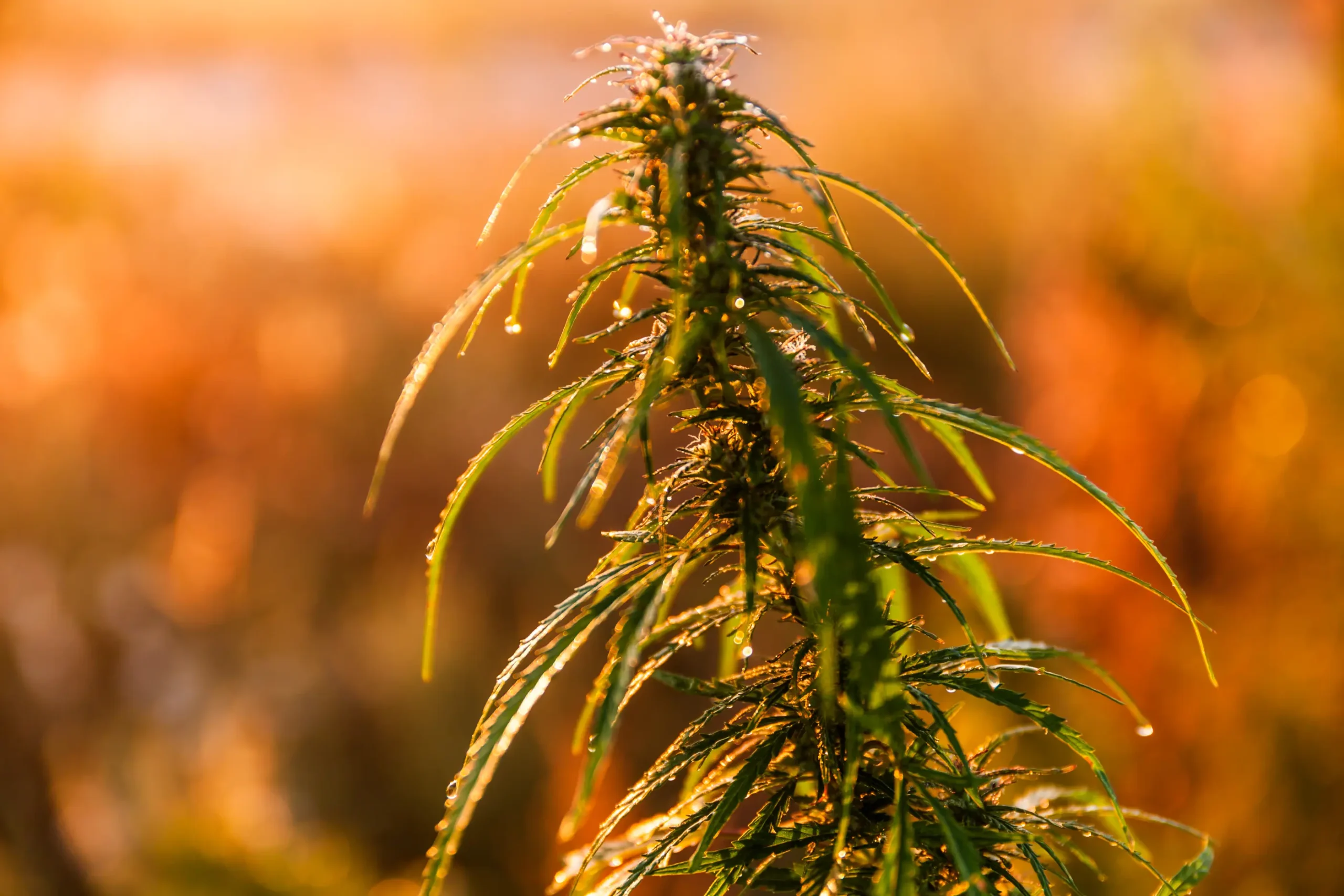
October 24, 2026
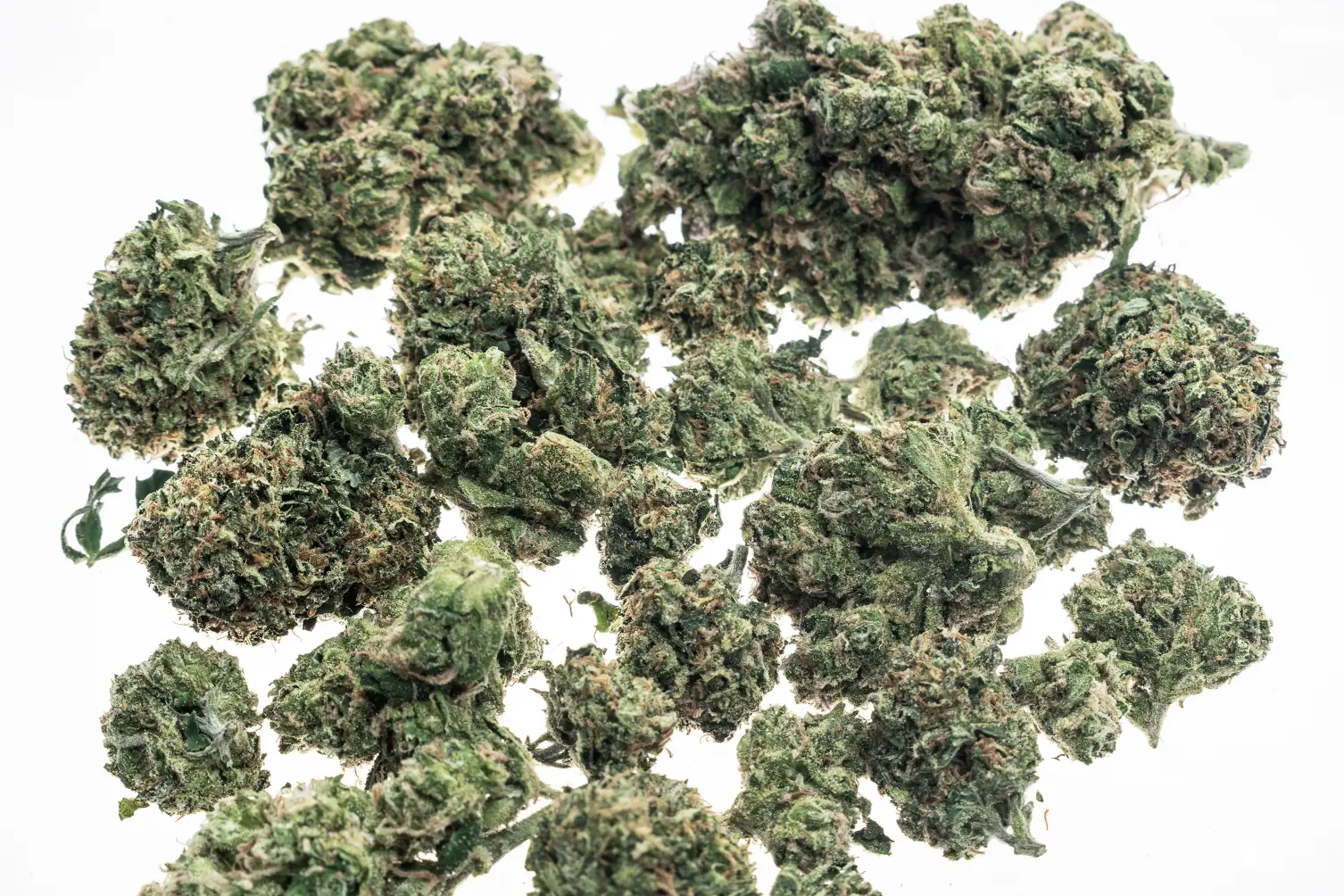
October 24, 2026
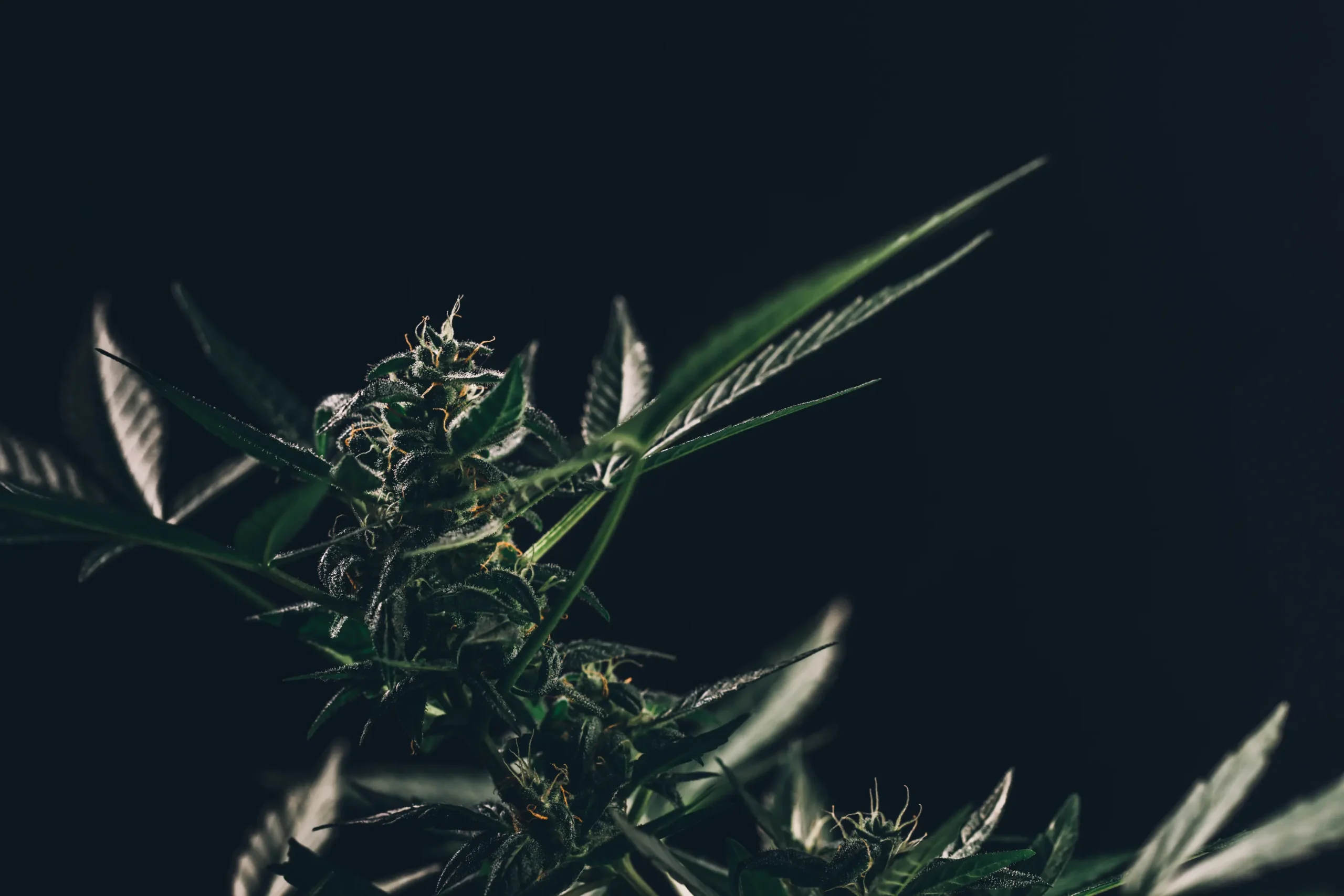
October 24, 2026
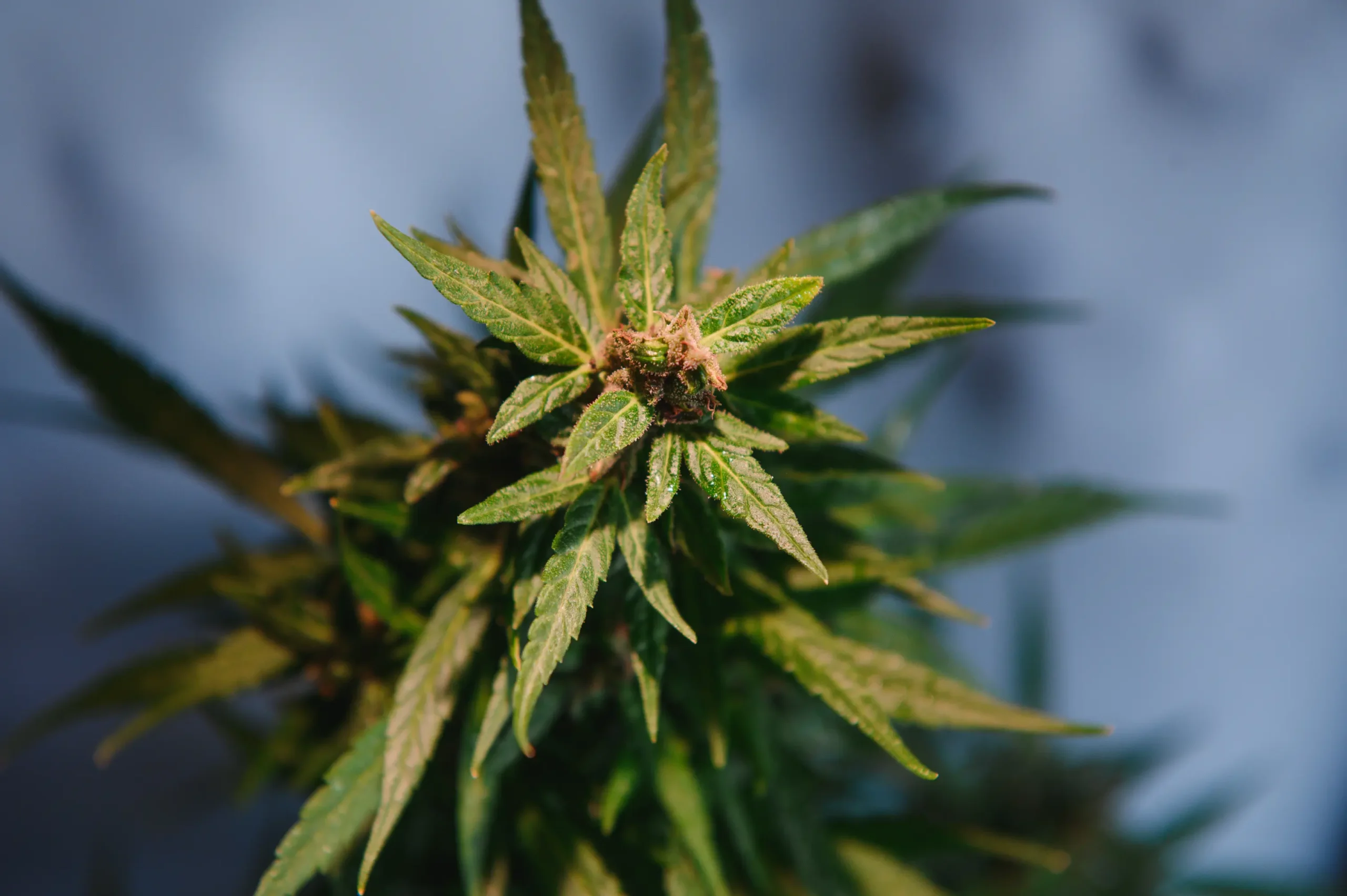
October 24, 2026