
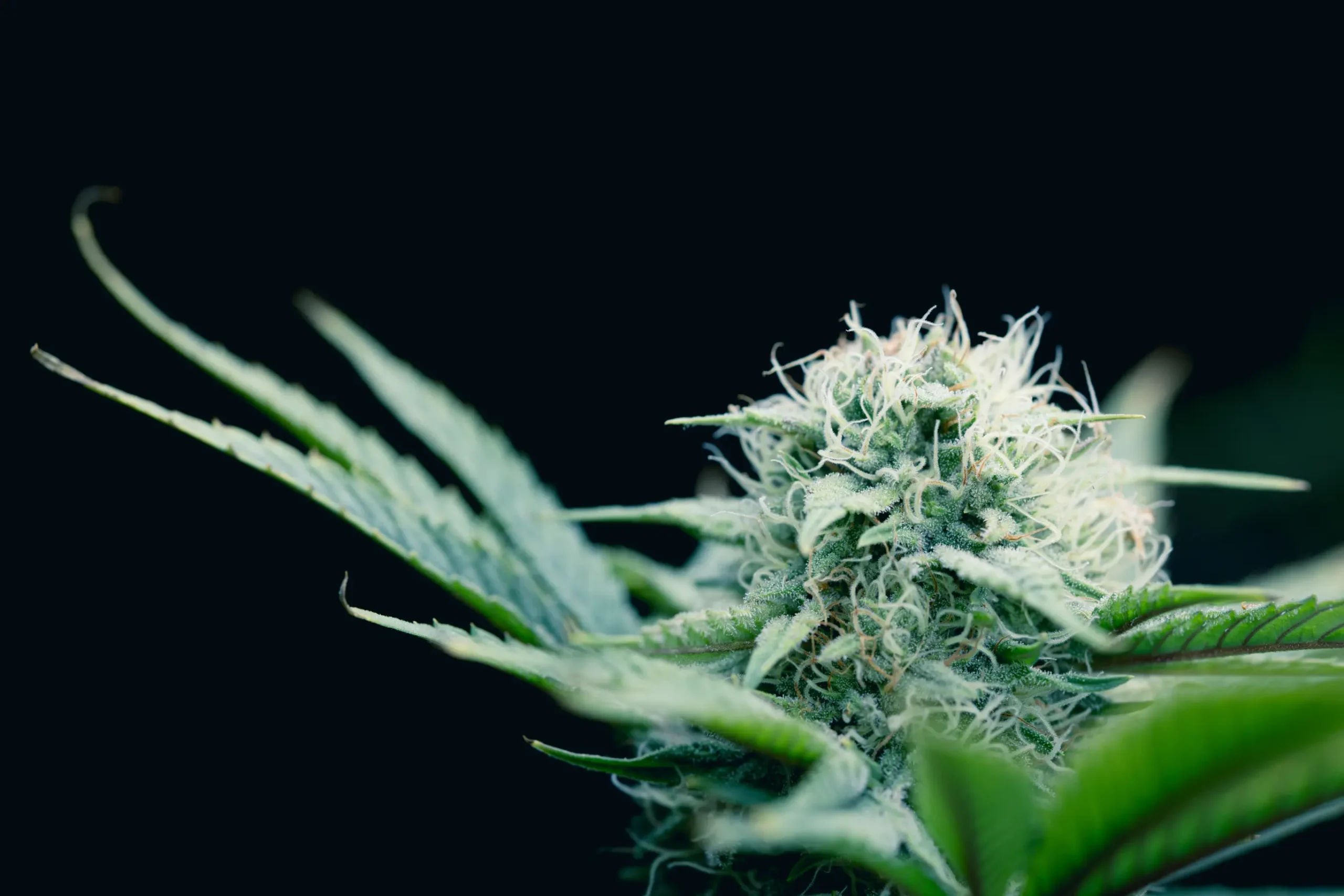
White Berry
White Berry: Strain Profile & Grow Guide
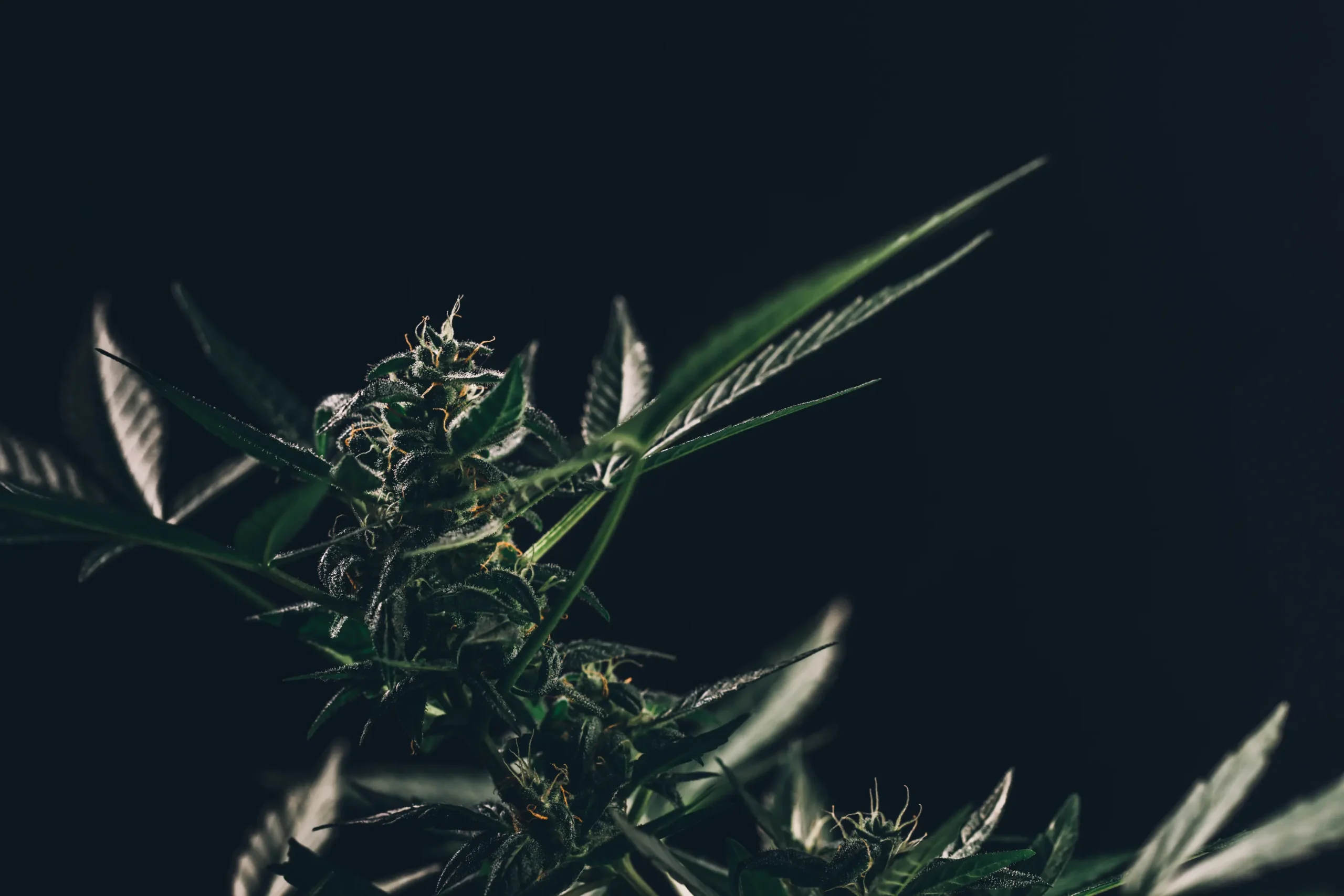
White Berry is a compact, fast-flowering hybrid built around a clear production idea: keep the plant manageable, concentrate flower mass near a dominant central structure, finish quickly, and cover the buds with enough resin to justify the “White” side of the name. Modern records commonly connect it to Blueberry and White Widow genetics, although older release descriptions often treated the exact parentage more cautiously. The practical inheritance is easy to recognize. White Berry combines berry sweetness and occasional purple-red coloration with a frosty, pungent resin profile and a dose-dependent effect that can feel clear and active at first, then increasingly physical as consumption rises.
Its simplicity can be deceptive. White Berry is frequently recommended for Sea of Green because seed-grown plants tend to remain slender, medium in height and strongly single-cola dominant. That makes it efficient in a small room, but it also means a grower can lose yield by treating it like a naturally bushy hybrid. If the plant is flipped too small, it may finish as one beautiful but modest column. If it is topped repeatedly, it may spend valuable time rebuilding branches that never become as productive as the original leader. The central cultivation question is therefore how to create enough flowering surface without fighting the cultivar’s natural preference for a central cola and a short finishing window.
White Berry’s flavor requires similar restraint. The flowers can smell sweet and fruity during bloom, but the most complete cured profile often includes berry jam, tart citrus, fresh lemon, pepper, earth and a faint floral or pine edge. Harvesting too early preserves sharpness without depth. Drying too quickly leaves resin and spice while the fruit disappears. The best result comes from allowing the buds to bulk fully, keeping the canopy open around the dense central flowers, and slowing the post-harvest process enough for berry and citrus to separate from the green plant aroma.
Strain Features
| Feature | Details |
|---|---|
| Strain Type | Indica-dominant hybrid photoperiod cultivar |
| Commonly Reported Lineage | Blueberry × White Widow |
| Genetic Certainty | Widely accepted modern account, though original release records were less explicit |
| THC | Commonly around the high teens to low twenties, sample-dependent |
| CBD | Usually very low |
| Common Terpene Pattern | Beta-caryophyllene, myrcene and pinene are frequently reported, with limonene or linalool varying |
| Aroma | Sweet berry, berry jam, lemon, pepper, earth, pine and light flowers |
| Effect Character | Clear, euphoric and creative at lower doses, warmer and more body-led at higher doses |
| Flowering Time | Commonly 7 to 8 weeks in older release descriptions, with some modern reports extending longer |
| Outdoor Harvest | Often early autumn in suitable climates |
| Height | Short to medium |
| Stretch | Low to moderate |
| Natural Structure | Slender plant with strong central-cola dominance and limited lateral growth in many phenotypes |
| Bud Density | High |
| Resin Production | High |
| Color Potential | Purple or red calyx and leaf tones may appear in genetically capable plants |
| Yield | Moderate to high per area when plant count and timing suit the architecture |
| Training Compatibility | SOG, gentle LST, limited topping and compact SCROG |
| Main Grow Risk | Underfilling the room, overtraining a fast plant, and trapping moisture around dense central flowers |
| Grow Difficulty | Easy to moderate |
| Best Time of Use | Afternoon or evening, depending on dose |
The name White Berry is sometimes confused with Berry White, White Raspberry and other Blueberry-White Widow combinations. Market naming is inconsistent, and products carrying these names may not be genetically identical. This profile focuses on the compact, fast, single-cola-dominant expression described in older White Berry grow records.
Genetic Lineage
Blueberry influence
Blueberry explains the cultivar’s fruit identity, color potential and softer emotional tone. The berry note can range from direct blueberry to wild strawberry, mixed dark fruit or jam. Blueberry genetics also contribute phenotype variation. Not every plant turns purple, and not every plant carries the same intensity of fruit.
The Blueberry side may also influence the gradual movement from mental euphoria toward physical comfort. White Berry is not usually as heavy as a pure Afghan indica, but higher amounts can expose a warm body stone that sits beneath the clearer opening.
White Widow influence
White Widow contributes resin density, pungent spice and a more structured indoor performance. The thick trichome layer can make White Berry appear mature early, while the calyxes still have time to swell. White Widow’s influence may also explain the pepper, pine, earth and lemon notes that prevent the cultivar from tasting like simple fruit candy.
The combination creates a useful contrast. Blueberry adds sweetness and color. White Widow adds frost, spice and a clearer head effect. The strongest White Berry flowers preserve both sides.
Why original lineage records can feel vague
Older cultivar releases often protected breeding details or described a plant through phenotype rather than publishing a complete pedigree. Later strain databases filled those gaps with parent names that became widely repeated. Blueberry × White Widow is a plausible and commonly accepted account, but a careful writer should avoid presenting every current White Berry product as genetically verified.
Phenotype differences
The most common release description emphasizes uniform slender plants with one dominant cola. Grow reports still show variation. Some plants are taller by roughly a quarter, some branch more freely, and some finish with stronger color.
A compact phenotype may be ideal for SOG but provide little benefit from topping. A slightly more lateral phenotype can suit a small screen. Aroma may lean toward berry jam and lemon in one plant, while another emphasizes pepper, earth and pine.
Keeper selection
Select for cured quality and garden efficiency:
Strong central flower without excessive leaf trapped inside
Enough lateral growth to produce secondary premium buds
Resin that remains attached through drying and trim
Berry aroma that survives cure
Flower density that does not become internally wet
A predictable finish compatible with the intended room
A clear-to-body effect progression rather than a flat one-note stone
Color is attractive but should remain secondary to health, aroma and dry-flower quality.
Effect Breakdown
Lower dose: crystalline head effect
A small amount of White Berry often produces a quick mental lift. Mood improves, conversation feels easier and ordinary activities can become more interesting. Users may feel focused, creative or lightly energized. This is the sativa-like side often mentioned in older descriptions.
The experience is not usually as intense or restless as a pure Haze. Physical tension begins to soften underneath the mental brightness, creating a balanced state that can suit an afternoon walk, music, casual socializing or creative hobbies.
Moderate dose: balance becomes more obvious
At a middle dose, euphoria remains but the body starts to feel warmer and heavier. Muscles relax and the user may become less interested in rushing. The cultivar can still support conversation and entertainment, but precise work becomes less appealing.
This range best expresses White Berry’s hybrid character. The mind remains engaged while the body feels protected from tension.
Higher dose: indica-style body stone
Larger amounts can bring the physical side forward. Limbs feel heavier, appetite may increase and the user may prefer a sofa to activity. The mental effect can remain happy, but focus becomes less reliable.
This dose-dependent shift makes White Berry versatile, but it also creates a redosing risk. A user who enjoys the light opening may consume more and end up much more sedated than intended.
Negative effects and duration
Dry mouth and dry eyes are common. Dizziness, paranoia or anxiety can occur, particularly with high-potency flower. The effect can last several hours and may become sleepy near the end.
White Berry is usually more approachable than a very racy sativa, but “indica-dominant” should not be interpreted as anxiety-proof. Sensitive users should begin with a small amount.
Flavor & Aroma Profile
The plant during flower
White Berry often becomes aromatic quickly after flower formation begins. Early notes are green fruit, herbs and mild spice. As trichomes build, sweet berry becomes clearer. Some plants smell like berry jam, while others resemble wild strawberry or mixed fruit.
Late in flower, lemon and pepper may appear behind the sweetness. The aroma becomes more penetrating when the buds are touched or the stem is flexed.
Visual aroma expectations
Purple or red flowers create an expectation of grape or dark berry. The actual aroma may be brighter. A colored phenotype can still smell like lemon, fresh berries and pepper. Color should not be used as a flavor prediction.
Freshly dried profile
Immediately after drying, the flower may smell mostly sweet and herbal. The citrus can be sharp, and the berry may seem less deep than it did on the plant. This is not necessarily a failure. Cure allows moisture and volatile compounds to rebalance.
Mature cure
A well-cured jar can lead with berry jam or fresh berry. Lemon peel brightens the top, while pepper, pine and earth form the base. Some expressions add a light floral note.
On the inhale, fruit and mild sweetness are strongest. The middle of the palate introduces lemon and herbs. The exhale becomes peppery and earthy, with a berry aftertaste remaining on the tongue.
What reduces flavor quality
Taking the plant before full swelling produces sour green fruit without jam-like depth. High drying temperature removes the delicate berry and citrus notes. Excess late nitrogen adds a thick vegetal finish.
Overly wet curing is especially dangerous because the dense flowers can ferment internally. The resulting sour smell is not desirable berry acidity. It is a warning that the crop entered storage too wet.
Dominant Terpenes
| Terpene | Aroma Role | White Berry Expression |
|---|---|---|
| Beta-caryophyllene | Pepper, spice and dry wood | Often reported as dominant and helps shape the pungent exhale |
| Myrcene | Earth, ripe fruit and herbs | Supports berry depth and the warmer body phase |
| Pinene | Pine and fresh green herbs | Can sharpen the profile and keep the fruit from feeling syrupy |
| Limonene | Lemon peel and bright sweetness | Contributes to the fresh citrus note that appears near full maturity |
| Linalool | Flowers and soft spice | May explain floral berry expressions in some phenotypes |
Terpene order differs between products. The same strain name can appear with different laboratory profiles due to genetics, environment and labeling. These compounds should be used to explain aroma, not to promise exact psychological effects.
Indoor vs. Outdoor Growing
| Factor | Indoor | Outdoor |
|---|---|---|
| Natural Fit | Excellent for compact production | Viable in sunny and moderate climates |
| Best Architecture | SOG, short vertical plants or a small controlled screen | Medium plants with a protected central structure |
| Stretch | Low to moderate | Slightly greater with long veg and root space |
| Flowering Speed | Fast, often 7 to 8 weeks in classic descriptions | Early autumn finish possible |
| Main Risk | Underfilled canopy or humidity around central colas | Rain and dew on dense flowers |
| Yield Strategy | Correct plant count and flip timing | More veg time and branch support |
| Flavor Control | Precise harvest and drying | Soil and sunlight may deepen berry, but weather adds variability |
| Color | Can be encouraged by genetics and natural senescence | Cool nights may reveal color, but cold stress is not required |
| Grow Difficulty | Easy to moderate | Moderate in humid regions |
| Best Choice | Small rooms and growers seeking fast turnover | Sunny sites with a dry finishing period |
Indoor decision
White Berry’s structure was made for indoor efficiency. A uniform group can be flowered relatively early and arranged as narrow columns. The grower gains fast turnover, easy height management and a high concentration of top flower.
The limitation is that each plant has less ability to correct an empty area after the flip. A low-branching phenotype does not suddenly become a wide bush. Plant count, spacing and initial size must be correct.
Outdoor decision
Outdoors, White Berry can produce larger plants, but the single-cola tendency remains. Early topping may be more useful outside because sunlight and a long veg period allow recovery. The grower should create several strong leaders rather than one giant central bud exposed to rain.
The plant can tolerate moderate climates, but the dense flowers still need a dry finish. Morning sun and branch spacing are valuable.
Strain-Specific Grow Guidance
Decide the production style first
White Berry performs best when the grower chooses between SOG and a wider trained plant before veg becomes advanced.
For SOG, use multiple small plants and preserve the central leader. Remove only weak lower shoots. Flower early enough that neighboring plants do not overlap heavily.
For a wider plant, top once after strong root establishment and allow several leaders to form. This requires more veg time and is better when plant count is limited.
Do not overtrain the classic phenotype
A naturally single-cola plant does not benefit automatically from mainlining or repeated topping. Each high-stress event uses part of a short production cycle. If the side branches remain weak, the grower has lost time without creating equal replacement tops.
Gentle LST can expose lower sites while preserving the main leader. This is often the best compromise.
Vegetative duration
Build support before the flowers demand it
Classic White Berry should not be flipped as a tiny seedling if yield matters. Allow enough root and stem development to support a complete cola. At the same time, do not veg SOG plants until their leaves overlap densely.
The ideal flip point depends on phenotype. A low-stretch plant should occupy most of its final footprint. A taller expression needs more empty space.
Root zone and watering
The plant’s moderate size does not require an enormous container. Oversized wet media can slow growth and encourage root problems. Use a volume that allows thorough watering followed by a real dryback.
A well-aerated medium supports rapid early flower development. Avoid random bottom layers of stones or outdoor material. Drainage is created by the structure of the entire medium and correct irrigation.
Feeding
White Berry usually performs on moderate nutrition. Excess nitrogen can increase leaf around the central flower and reduce trim quality. During veg, maintain healthy green growth without clawing or glossy darkness.
As flower begins, support development with balanced nutrition rather than a sudden extreme bloom dose. The cultivar’s resin is genetic. Aggressive additives do not create quality when the root zone is stressed.
Light use
A vertical central cola needs even light along its length. If the plant is too tall relative to the fixture, the top receives excessive intensity while the lower flower remains soft.
SOG works because many similar columns can be kept at one height. Rotate or rearrange seed-grown plants early if one phenotype stretches more than the others.
Canopy density
The plant may not branch heavily, but several close central colas can create a dense room. Space plants so air can move between them. A hand should be able to reach the base of each plant for inspection.
Remove yellow leaves and small interior shoots that remain pressed against the main stem. Do not allow dead material to stay inside a dense flower zone.
Humidity management
White Berry’s flowers become tight and resinous. Lower room humidity gradually during late bloom and maintain movement between the columns. The top surface may feel dry while the flower near the stem remains humid.
Inspect any bud with a single dying sugar leaf or unusual softness. Internal botrytis often begins before the outside looks grey.
Color without stress
Purple and red tones depend on genetics and maturity. Mildly cooler nights may reveal color, but severe temperature drops slow metabolism and increase dew risk. Do not compromise flower health for appearance.
A green White Berry plant can still be authentic and excellent.
Harvest timing
Older descriptions emphasize a seven-week finish, but modern reports sometimes extend longer. Do not cut solely by calendar. Wait for calyx swelling, reduced new pistils, mature berry-lemon aroma and mostly cloudy trichomes on the flower.
A slightly later harvest deepens the body effect. An earlier harvest feels clearer but may lack berry-jam depth.
Calculate SOG density from finished cola width
Plant count should be based on the width of a mature White Berry cola and the amount of air space needed around it, not on how small the plants look at the flip. Young single-stem plants can appear widely separated and then close the gaps quickly as leaves expand and flowers stack. If mature colas touch from several directions, the room becomes difficult to inspect and moisture remains between the flowers.
Run a small group first and record final width, stretch and container footprint. Use those measurements to set future spacing. A slightly lower plant count with fully illuminated columns often produces a higher percentage of premium flower than an overcrowded tray filled with shaded side buds. The objective is efficient canopy coverage, not the maximum number of stems that physically fit on the floor.
Sort mixed phenotypes before the flowering canopy locks in
Seed-grown White Berry may include plants that differ in stretch, branching and finish time even when the overall population is relatively uniform. During veg, group plants by height and architecture. Place taller expressions where they can be trained or raised separately and keep the shortest plants from disappearing beneath their neighbors.
Rearranging containers is easy before branches harden. It becomes disruptive after flowers begin touching the support net. Label unusual plants and keep notes on aroma, color, flowering speed and final quality. The most useful keeper is not always the prettiest plant. A slightly greener expression may offer better berry clarity, stronger structure or a safer flower density.
Protect the central cola microclimate
White Berry’s signature production style concentrates a large amount of flower around one stem. That creates a microclimate that room-level instruments cannot fully describe. The air near the outer bud surface may be dry while moisture remains inside the cola around the stem and tightly stacked bracts.
Avoid foliar spraying after flower formation begins. Keep irrigation off the foliage and inspect the main cola after any humidity spike, equipment failure or outdoor rain. A single yellowing sugar leaf embedded in an otherwise healthy flower can be an early warning. Pull gently rather than tearing the bud apart. If the leaf slides out with a brown base or the surrounding tissue feels soft, investigate immediately.
Use selective lower cleanup instead of automatic lollipopping
The plant’s lower growth is not always useless. In a well-spaced SOG under strong side penetration, several secondary flowers may mature properly. Remove shoots that remain pressed against the stem, sit below the productive light zone or create a congested wet pocket. Preserve healthy sites that receive direct light and have enough space to finish.
This cultivar’s short cycle leaves little time to rebuild after aggressive pruning. Complete the main cleanup before or during early transition. Later work should focus on dead leaves and obvious humidity traps rather than repeatedly removing healthy tissue.
Harvest and dry by flower size, not by plant identity
A room of White Berry may contain narrow upper flowers, thick central colas and smaller side buds. They will not all release moisture at the same rate. Separate the largest branches enough to prevent contact and give the densest colas more room around them. Smaller flowers may be ready for curing earlier and should not remain in a dry room solely because the largest buds still contain internal moisture.
Evaluate dryness by sampling flowers from different positions. Exterior crispness is not proof that the center is ready. After jarring, monitor the internal humidity response closely during the first day. A rapid rise indicates that moisture is still redistributing from the center and the flowers may need additional open-air time. This is especially important for a fast-flowering cultivar whose buds can look finished and dry before their internal moisture has equalized.
Practical Advice: White Berry’s fast finish makes early decisions more important. A week lost to unnecessary topping represents a larger part of its entire flowering cycle than it would in a long Haze.
Weedth Bud Flavor Tips
Keep the berry and lemon together
The best White Berry does not taste like one sweet note. Berry and lemon should remain distinct over a peppery base. High heat removes both top notes and leaves generic earthy resin.
Harvest in a cool period and move branches into darkness. Avoid long exposure to bright room light during trimming.
Drying central colas
Large single colas should be divided into branch sections if the drying room is humid or access is poor. Leaving one huge flower intact may look impressive but creates an internal moisture risk.
Do not break every bud apart unless necessary. Keep enough stem to slow the process.
Indoor flower
Indoor White Berry often has cleaner fruit when temperature and nutrients were controlled. Dry slowly with indirect air. A direct fan will remove aroma and harden the surface.
Outdoor flower
Outdoor buds require inspection for insects, rain damage and debris. Separate the largest tops and remove compromised tissue before drying.
Cure timeline
The first week is about moisture equalization. Berry may smell faint. The second to fourth weeks bring jam and lemon forward. A longer cure smooths pepper and earth.
Store whole flowers in small airtight containers. Research on cannabis storage supports whole-bud storage over grinding for volatile retention.
Do not add fruit to the jar
Fruit peels introduce moisture and microorganisms and mask the cultivar’s real aroma. Lost terpenes cannot be restored safely by adding organic material.
Weedth Bud Boost Tips
SOG efficiency
The strongest indoor strategy is often a correctly spaced SOG. Use plants of similar height, preserve the central leader and flower once the roots and stems are established.
The room should look organized, not packed. Leaves can touch lightly, but colas need separation during late flower.
Limited topping strategy
When plant count is restricted, top once and build four to six leaders. Give the plant enough veg time to replace the original central cola. A small screen can maintain height and support buds.
Productive lower zone
White Berry may produce useful secondary buds close to the main stem, but the very bottom often remains shaded. Remove weak sites before they consume the entire cycle.
Root and irrigation balance
Rapid flowering depends on uninterrupted roots. Avoid overpotting and overwatering. A healthy plant should move through wet and dry phases predictably.
Moderate feeding
Do not chase yield with heavy nutrients. Stable leaf function, strong light and correct water use create more flower than burnt tips and salt stress.
Support
Dense central flowers can make a slender stem top-heavy. Use stakes or a light net before the final swell. Support each plant without pressing neighboring colas together.
Outdoor architecture
Outside, one early topping reduces the risk of one enormous rain-catching cola. Build several leaders and support them around an open center.
Harvest and trim
High calyx-to-leaf ratio makes White Berry relatively easy to trim. Preserve that advantage by reducing late nitrogen. Handle resinous buds by the stems and work in a cool area.
Medical Uses & Benefits
White Berry is commonly chosen for stress, anxiety, pain and mood. The effect can remain functional at a low dose and become more physically relaxing at a higher one. These are self-reported uses, not clinical proof.
Stress and anxiety
A small amount may provide emotional lift without immediate sedation. Higher doses can become more calming, but they may also cause paranoia in sensitive users.
Pain
The body phase may reduce awareness of mild to moderate aches. Users who need strong nighttime relief may prefer a heavier indica, while those who need daytime function may appreciate a low dose.
Mood and creativity
The clear euphoric opening can support creative activity and social comfort. This makes White Berry more versatile than a one-stage sedative cultivar.
Sleep
A larger evening dose may lead to sleepiness after the initial head effect settles. It is not always an immediate knockout.
Nausea and appetite
Some users report reduced nausea and improved appetite. New medical users should begin cautiously because high THC can also cause dizziness.
Ideal User Profile
White Berry suits users who want fruit and resin in a compact hybrid experience. It can fit afternoon creativity, evening relaxation or a gradual transition toward sleep.
It may appeal to:
Consumers who enjoy berry without losing spice and earth
Users who prefer a clear opening and warmer finish
Growers working with limited height
Cultivators interested in SOG and fast turnover
Flavor-focused growers who can manage a slow cure
Medical users seeking flexible dose-dependent relief with professional guidance
It is less suitable for someone who wants a pure energetic sativa, an immediate narcotic effect or perfectly identical chemistry from every product using the name.
Grower Notes and Feedback
Growers repeatedly praise White Berry’s speed, resin and manageable height. The plant can begin flowering quickly and create attractive frosted buds without a long room commitment.
The main disagreement concerns flowering time. Older release descriptions emphasize about seven weeks, while some modern listings report nine weeks or more. This likely reflects different lines, phenotypes and definitions of maturity.
Single-cola dominance is a recurring observation. Plants may produce few laterals unless topped or vegged longer. This makes the cultivar excellent for SOG but can disappoint a grower expecting a broad natural bush.
Color is common but not universal. Some plants develop purple and red upper foliage and calyxes. Others remain green.
Aroma can range from direct berry to wild strawberry, lemon, pepper and earth. The best reports emphasize fruit that survives the cure rather than only smelling strong in flower.
Yield per plant may appear modest in a small SOG plant, but yield per area can be strong. The cultivar should be evaluated according to the chosen system.
Weedth Editor's Note
What this cultivar asks from the room
White Berry is a plant I would design the room around before planting. Its architecture is too clear to ignore. If the goal is SOG, I would preserve the central leader and use enough plants to fill the floor. If plant count is limited, I would top once and accept the extra veg time.
I would not combine a high plant count, long veg and repeated topping. That creates a crowded room while wasting the cultivar’s fast finish.
The best part of White Berry is the contrast between fruit and frost. The flower can look extremely resinous, but the cured aroma should still show berry and lemon. A rushed dry turns it into a less interesting peppery hybrid.
Its weakness is individual plant yield when it is grown too small or trained against its nature. Its strength is efficiency when spacing, timing and plant count are correct.
I recommend it to a grower who enjoys planning and wants a compact crop with strong bag appeal. It is easier than a Haze, but it still requires respect for dense flower and internal moisture.
On the next run I would record canopy fill by plant rather than assume every seed expression deserves the same spacing. The compact plants that hold a clean central line can stay almost columnar, while the more lateral expressions earn a wider footprint. That small distinction protects White Berry from the most common planning error: treating speed as permission to crowd. When I can remove a finished plant without untangling it from three neighbors, I know the room geometry respected the cultivar.
Weedth Score
Growing Experience 8.4/10 Fast, compact and manageable, with architecture-specific planning required
Bud Structure & Visual Appeal 9.0/10 Dense frosty flowers and possible purple-red color create excellent appearance
Aroma Complexity 8.7/10 Berry jam, lemon, pepper, earth and flowers provide more depth than the name suggests
Flavor & Smoothness 8.6/10 Very good after a slow cure, but fruit is easily lost through heat or early harvest
Effects & High Experience 8.5/10 Versatile clear-to-body progression, although high doses can become dizzying
Overall Satisfaction & Recommendation 8.6/10 A strong compact hybrid for planned indoor systems, with some naming and phenotype inconsistency
White Berry performs best when the grower works with its central-cola instinct instead of trying to turn it into a different plant.
FAQ
What are the genetics of White Berry?
It is commonly listed as Blueberry crossed with White Widow. Original release information was less explicit, and similarly named products may not all be identical.
Is White Berry the same as Berry White?
The names are sometimes used for similar Blueberry-White Widow crosses, but not every product or preserved line should be assumed identical. This profile focuses on the compact single-cola White Berry expression.
How long does White Berry flower?
Classic descriptions place it around seven to eight weeks. Some modern reports extend to nine or ten. Use maturity signs rather than the calendar alone.
How tall does White Berry grow?
Usually short to medium indoors. A classic SOG phenotype may finish around 65 to 90 centimetres, while taller expressions can exceed that.
Is White Berry good for SOG?
Yes. Uniform height, central-cola dominance and fast flowering make SOG one of its best systems.
Should White Berry be topped?
Top once when plant count is limited and a wider canopy is needed. In SOG, preserving the main leader is often more efficient.
Why does my White Berry have few side branches?
Limited lateral growth is common in the classic phenotype. Longer veg, gentle LST or one topping can increase branch count.
Does White Berry turn purple?
Some phenotypes develop purple or red calyxes and leaves, especially near maturity. Others remain green. Color is genetic and not required for quality.
Is White Berry mold resistant?
Some reports describe reasonable tolerance, but the dense flowers can still trap moisture. Good airflow and a careful dry remain necessary.
When should it be harvested for the best flavor?
Wait for full calyx swelling, mature berry-lemon aroma and mostly cloudy trichomes. Early harvest can taste sharp and green.
Does White Berry need heavy feeding?
No. Moderate feeding usually works. Excess nitrogen increases leafiness and reduces the clean finish.
Is White Berry suitable for beginners?
Yes, especially indoors, but beginners must plan the architecture and manage humidity around dense colas.
Similar Strains
White Widow: Shares resin, spice and a clear euphoric opening. White Widow branches more readily and usually has less direct berry sweetness.
Blueberry: Provides stronger pure berry identity and deeper body relaxation. It may grow more irregularly and flower slightly longer.
Berry White: A closely related or similarly named Blueberry-White Widow hybrid, often described as more balanced and branchy depending on the line.
Purple Punch: Offers sweeter grape-berry flavor and heavier evening effects. It is usually less mentally clear.
Blackberry Kush: Similar compact fruit-forward evening flower with greater earthy Kush weight and often lower yield.
White Russian: Another resin-heavy White-family hybrid with stronger cerebral energy and less berry emphasis.
Share this article
A quick overview of the topics covered in this article.
Follow us
Latest articles
October 24, 2026
October 24, 2026
October 24, 2026
October 24, 2026