
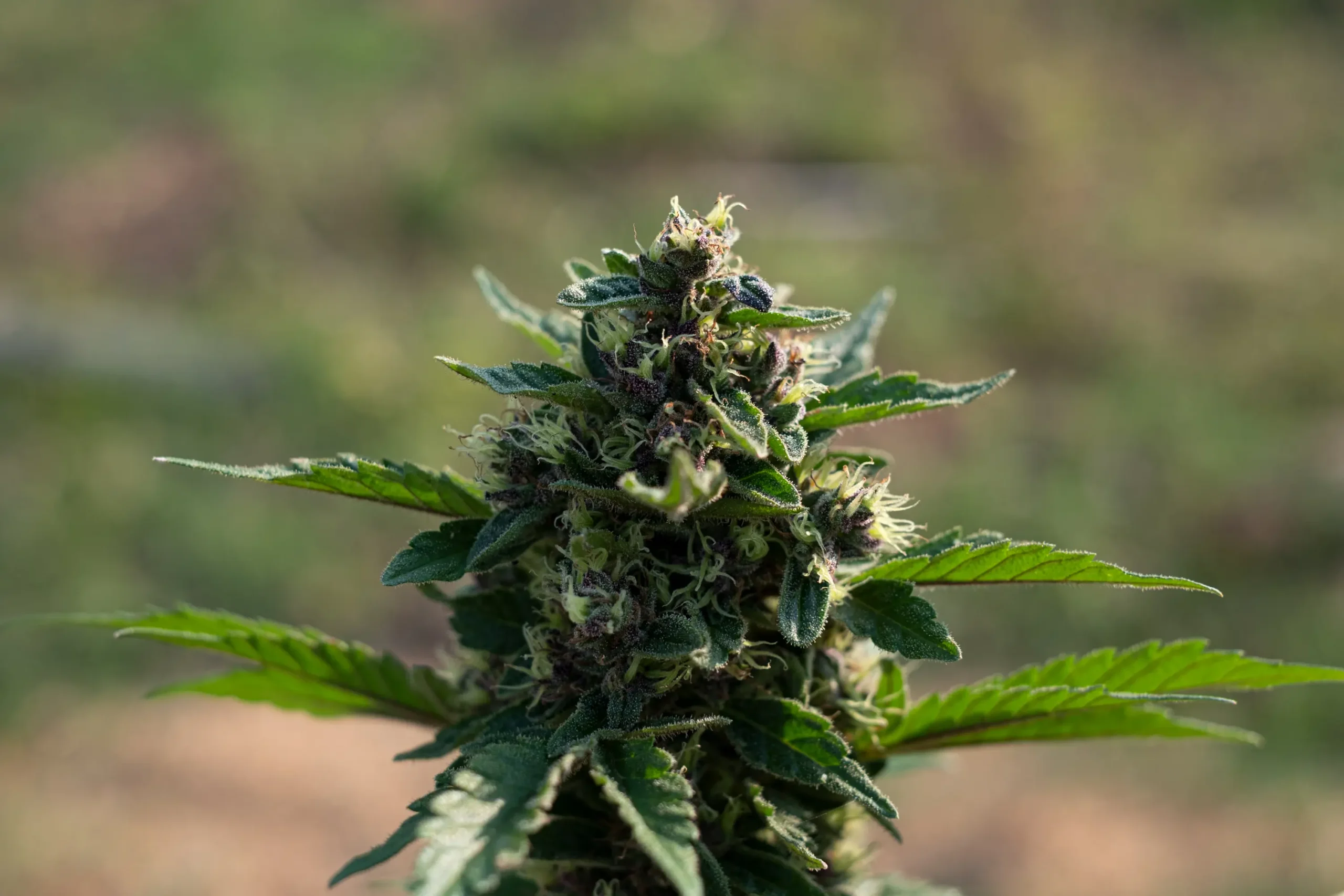
Beginner Greenhouse Cannabis Growing
Greenhouse cannabis cultivation combines the spectral power of natural sunlight with the physical protection of a controlled enclosure. By sheltering crops from heavy autumn rainfall, hail, and excessive dew, a greenhouse extends the growing season and improves overall flower quality compared to open-field farming.
However, enclosed solar environments present distinct challenges, including extreme midday heat buildup and high nighttime humidity that invites fungal pathogens. This guide provides foundational guidance for beginners on greenhouse structural selection, ventilation thermodynamics, condensation prevention, and light management.
Greenhouse Physics: Solar Heat Trapping and Daily Dynamics
Glazing materials permit shortwave solar radiation to enter while trapping re-radiated longwave thermal energy inside.
The Shortwave to Longwave Energy Shift
Direct solar radiation enters greenhouse structures as shortwave electromagnetic waves that pass easily through polycarbonate panels or polyethylene greenhouse film. As sunlight strikes soil, foliage, and structural framing, it converts into sensible heat that radiates as longwave infrared waves.
Glazing materials are largely opaque to longwave thermal radiation, trapping heat inside the structure and driving interior temperatures 20 to 30 degrees Fahrenheit above ambient outdoor conditions within hours of sunrise.
Thermal Mass Buffering in Small Greenhouses
Small hobby greenhouses possess low air volume relative to surface area, making them prone to rapid temperature swings between sunny afternoons and chilly nights. Incorporating thermal mass, such as dark water barrels positioned along north interior walls, moderates these fluctuations.
Water absorbs excess solar heat during peak daylight hours and releases that stored thermal energy slowly overnight, dampening temperature drops and protecting root systems against cold shock.
Solar Thermal Trapping: The physical process where translucent greenhouse glazing transmits visible sunlight into the structure, which surfaces absorb and re-emit as thermal infrared energy that cannot escape freely.
Practical questions from home cultivators often center on how these thresholds behave in real-world tents and small rooms.
“How do I prevent extreme heat buildup in my small polycarbonate greenhouse during mid-summer?”
Question sent by: Brielle Gallo, via email.
Combine active exhaust ventilation with 30 to 40 percent external aluminized shade cloth installed over the exterior roof. Shade cloth reflects excess solar infrared radiation before it penetrates the glazing. Pair shading with automated intake louvers and an exhaust fan sized to replace the full greenhouse air volume once per minute on sunny days.
Applying shade cloth only during the hottest six weeks of summer prevents unnecessary light reduction during spring.
Glazing Materials and Structural Selection for Beginners
Choosing between polycarbonate panels, polyethylene film, and glass balances light diffusion, insulation, and durability.
Advantages of Twin-Wall Polycarbonate for Cannabis
Twin-wall polycarbonate panels feature internal flutes that scatter incoming sunlight into soft, multi-directional diffuse light. Diffuse light penetrates deep into the mid-canopy without causing harsh leaf bleaching or severe upper-canopy hotspotting.
The dead-air space between the twin walls provides substantial thermal insulation, reducing heating costs during cool spring starts and late autumn flowering finishing windows.
Ground Anchoring and Wind Load Ratings
Cannabis crops develop extensive foliage mass that acts like a sail in high winds, and lightweight greenhouse frames can buckle during severe storms. Anchoring the foundation frame to concrete footers, ground screw anchors, or treated timber timbers prevents structural collapse.
Ensuring your structure carries a minimum wind load rating of 70 to 80 mph protects months of valuable crop investment against sudden seasonal squalls.
| Glazing Material | Light Transmission | Diffusion Quality | Insulation (R-Value) | Expected Lifespan |
|---|---|---|---|---|
| Twin-Wall Polycarbonate (6-8mm) | 80 to 82% | High (Soft shadowless) | 1.5 to 1.8 | 10 to 15 years |
| Single-Layer Poly Film (6 mil) | 88 to 90% | Low (Direct beam) | 0.8 to 0.9 | 3 to 4 years |
| Double-Layer Poly (Air Inflated) | 82 to 85% | Moderate to High | 1.5 to 1.7 | 3 to 4 years |
| Horticultural Glass (Single Pane) | 90 to 92% | None (Hard shadows) | 0.9 to 1.0 | 25+ years (Fragile) |
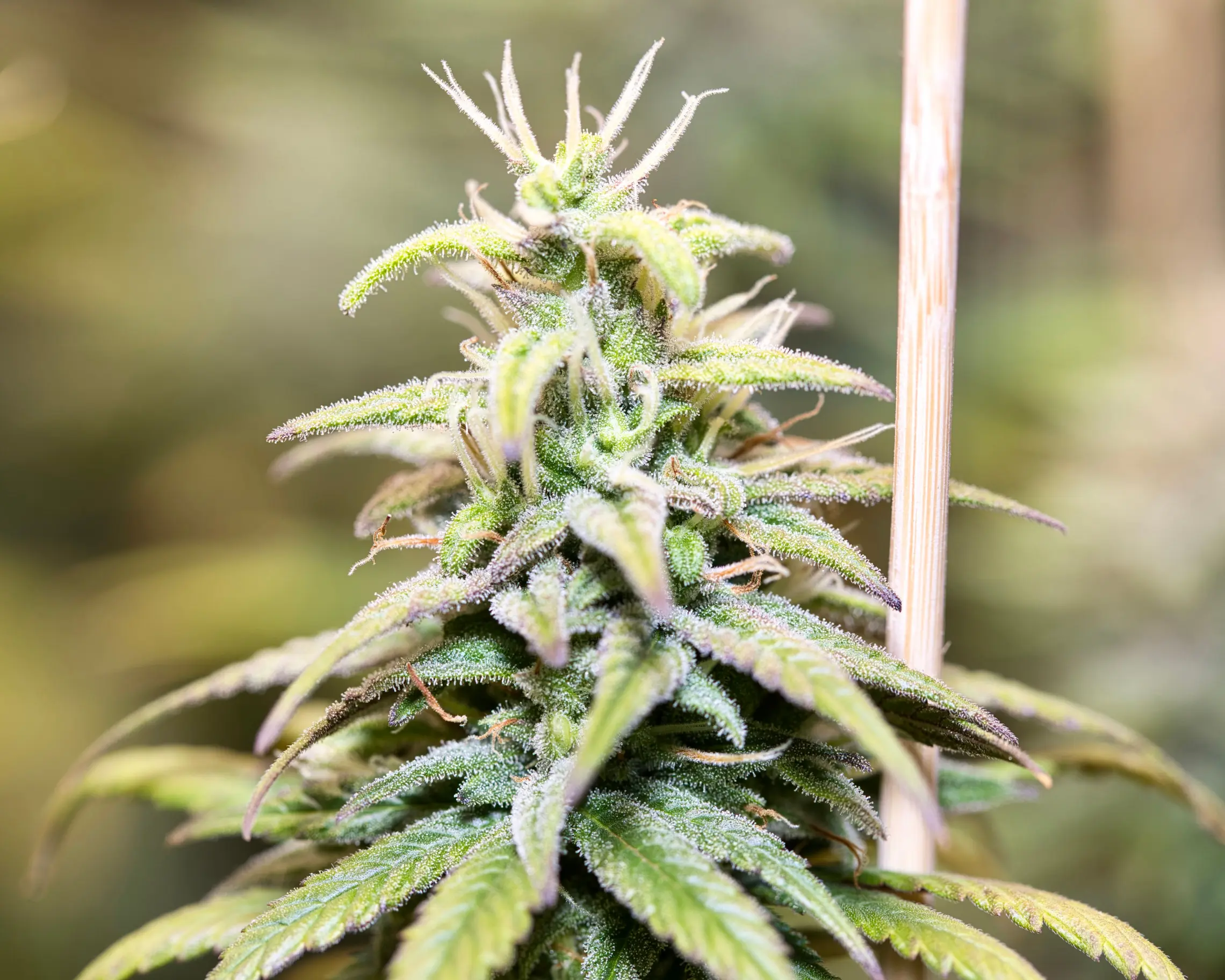
Sturdy glazing and framing establish a secure, long-term growing microclimate.
Active vs Passive Ventilation and Airflow Engineering
Evacuating accumulated heat and moisture requires calculated ventilation capacity rather than relying on open doors.
Passive Ridge Vents and Chimney Effect Physics
Warm air naturally expands, decreases in density, and rises toward the greenhouse peak. Roof ridge vents paired with low sidewall intake louvers harness this natural stack effect (chimney effect), creating passive upward airflow without electricity.
Installing automatic solar-powered wax cylinder vent openers ensures roof vents crack open reliably as internal temperatures exceed 75 degrees Fahrenheit, even during power outages.
Sizing Active Exhaust Fans and Intake Louvers
During hot summer months, passive ventilation alone cannot evacuate extreme solar heat loads. Cultivators require active exhaust fans capable of moving one full greenhouse air volume per minute (1 air change per minute) under sunny conditions.
Intake louvers positioned on the opposite wall must provide 1.2 to 1.5 times the surface area of the exhaust fan opening to prevent excessive static pressure and motor burnout.
Do
- Install twin-wall polycarbonate glazing to achieve soft, non-burning diffuse sunlight distribution.
- Operate horizontal airflow (HAF) fans continuously to prevent condensation forming on dense flowers.
- Purge humid greenhouse air with exhaust fans for 30 minutes at dusk to prevent evening dew point spikes.
- Anchor the greenhouse structure securely to timber timbers or concrete footers against storm winds.
Avoid
- Allowing greenhouse temperatures to exceed 90 degrees Fahrenheit during peak summer afternoons.
- Leaving greenhouse doors and vents sealed tightly overnight during the late flowering stage.
- Watering late in the evening when transpirational moisture cannot be evacuated by ventilation.
- Relying solely on natural autumn daylengths in climates with rainy, freezing October weather.
Balanced ventilation capacity maintains interior temperatures within safe biological limits.
“Can I use a residential home dehumidifier inside a small greenhouse to control night humidity?”
Question sent by: Brielle McAllister, via reader Q&A form.
Residential dehumidifiers struggle in greenhouses because structures are rarely completely airtight, meaning the unit continuously condenses ambient outdoor moisture while consuming massive electricity. An active exhaust fan purge at dusk combined with suspended horizontal airflow fans is far more effective and energy-efficient for moisture management.
Purging air right as the sun sets eliminates the spike in relative humidity before cold night temperatures take hold.
Condensation Control and Mold Prevention Strategies
Controlling the moisture that condenses on interior glazing surfaces is critical for preventing Botrytis bud rot in late flower.
Dew Point Management at Dusk
As the sun sets, interior air temperatures drop rapidly while soil containers and foliage remain warm and continue transpiring water. As the air cools, its capacity to hold water vapor declines until relative humidity reaches 100 percent, depositing condensation on cold surfaces.
Running exhaust fans aggressively for 30 minutes before and after sunset purges humid greenhouse air, replacing it with cooler, drier outdoor air before condensation can form on flowers.
Horizontal Airflow (HAF) Fan Placement
Horizontal airflow (HAF) fans suspended along opposing sidewalls create a gentle, continuous circular air vortex throughout the greenhouse volume. This constant air movement eliminates thermal stratification and prevents stagnant microclimates within dense foliage.
Air speeds of 50 to 100 feet per minute (0.25 to 0.5 m/s) at canopy level keep leaf surfaces dry without causing mechanical windburn or excessive transpirational stress.
| Risk Variable | Safe Target | Critical Danger Zone | Primary Mitigation Tactic |
|---|---|---|---|
| Night Relative Humidity | 50 to 60% | Above 75% in late flower | Exhaust fan purge at sunset |
| Horizontal Air Speed | 0.5 to 1.0 m/s | Stagnant (0.0 m/s) | Suspended HAF circulation fans |
| Glazing Condensation | Dry or channeled to gutters | Dripping directly onto canopy | Anti-drip glazing coating |
| Canopy Density | Spaced, lollipopped stems | Overcrowded, touching foliage | Mid-summer pruning & trellis spacing |
Continuous air circulation eliminates the microclimates where fungal pathogens thrive.
Cultivation Warning
Cool evening air causes warm transpirational water vapor to condense on roof panels. If moisture drips directly onto dense flowering colas, Botrytis cinerea (gray mold) will establish within 48 hours.
Practical questions from home cultivators often center on how these thresholds behave in real-world tents and small rooms.
“Why did my greenhouse cannabis plants start flowering in May when days were getting longer?”
Question sent by: Brielle Cote, via grow journal submission.
Cannabis requires roughly 14.5 to 15 hours of light to remain reliably vegetative. If seedlings or clones are moved into a greenhouse in early spring when natural daylength is only 13 or 14 hours, they interpret the short days as autumn and initiate flowering. Hang low-wattage LED bulbs to extend daily photoperiod to 18 hours until June.
Providing a 15-minute light interruption in the middle of the night also resets the phytochrome clock and maintains vegetative growth.
Photoperiod Manipulation and Light Deprivation Basics
Controlling daylength in a greenhouse allows growers to harvest early in summer before cold autumn rains arrive.
Simple Manual Blackout Tarp Systems
Natural outdoor photoperiods do not trigger cannabis flowering until late summer, delaying harvest into cool, damp autumn months. Covering the greenhouse with an opaque, light-tight breathable blackout tarp for 12 continuous hours daily initiates flowering at any time during summer.
Pulling tarps at 7:00 PM and removing them at 7:00 AM simulates the autumn equinox while taking advantage of high summer solar radiation during midday.
Supplemental Lighting for Early Spring Starts
Starting cannabis plants in a greenhouse in March or April carries the risk of premature flowering, as natural daylengths may still fall below the critical 14 to 15-hour vegetative threshold. Adding simple low-wattage LED string lights maintains vegetative growth.
Extending the photoperiod to 18 hours with supplemental lights or applying a one-hour night-interruption flash at midnight prevents premature flowering until natural summer days lengthen.
Cultivators who use light deprivation to harvest in late July or August avoid the devastating September caterpillars and October rains that plague outdoor autumn crops.
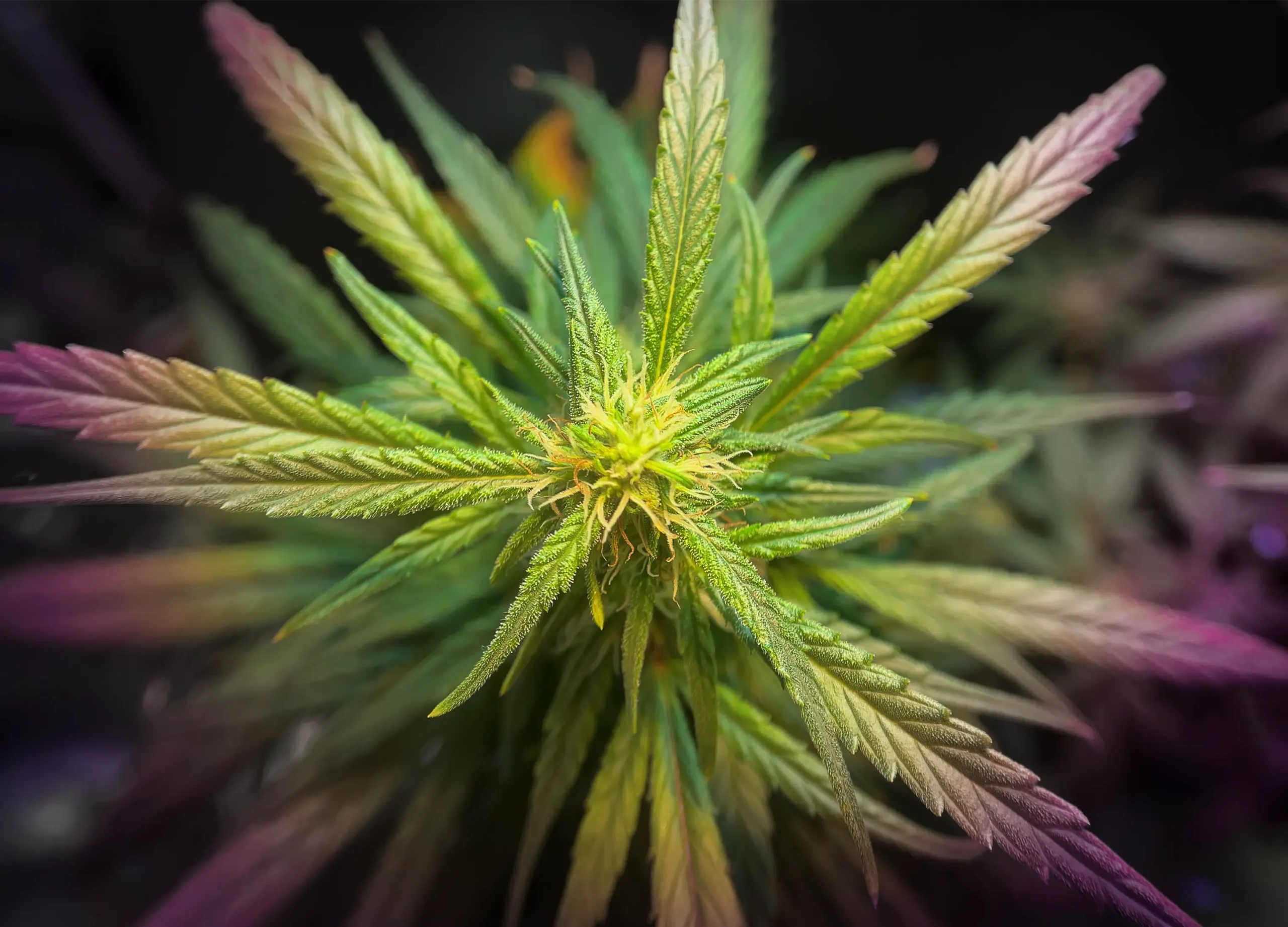
Controlling photoperiod timing liberates greenhouse cultivators from rigid seasonal limitations.
Root-Zone Management: In-Ground Beds vs Raised Containers
Deciding between native soil beds, raised timber beds, and fabric pots dictates drainage speed and pest insulation.
Fabric Pots on Pallets vs In-Ground Beds
Growing in 15 to 30-gallon fabric containers elevated on plastic pallets provides total control over growing media quality and drainage. Elevated containers isolate root systems from native soil-borne pathogens, nematodes, and cold spring subsoil temperatures.
In-ground beds offer unlimited root expansion and superior water buffering, but require rigorous soil testing and extensive organic amendments to correct native soil compaction.
Irrigation Automation and Mulching Practices
High greenhouse solar irradiance drives rapid water consumption, often requiring multiple gallons per mature plant on sunny summer afternoons. Installing drip irrigation lines equipped with pressure-compensating emitters ensures precise, uniform water delivery directly to the root zone.
Covering container surfaces with a two-inch layer of clean barley straw or wood mulch suppresses weed growth, keeps topsoil cool, and prevents surface evaporation that drives up greenhouse humidity.
Field Verification Checklist
- Confirm roof ridge vents open smoothly when interior temperatures rise above 75 F.
- Check that exhaust fans and intake louvers are clear of dust, insect webs, and vegetation.
- Verify horizontal airflow fans create a gentle circular breeze across all canopy quadrants.
- Inspect glazing panels for cracks, loose fasteners, or failing silicone weather seals.
- Measure evening relative humidity to ensure levels remain below 65 percent through the night.
Insulating the root zone maintains consistent water absorption through extreme sunny afternoons.
“What is the best way to heat a small greenhouse overnight during late autumn flowering finishes?”
Question sent by: Brielle Boucher, via email.
A sealed-combustion propane heater with an external exhaust flue or an electric ceramic heater connected to a digital thermostat provides reliable frost protection. Keep night temperatures above 55 degrees Fahrenheit (13 C) to prevent phosphorus lockout and root stagnation. Never use unvented propane heaters, as combustion byproducts and water vapor trigger severe mold.
Insulating the north wall with reflective foam board further reduces overnight thermal losses.
Scientific References
- Both, A. J., Albright, L. D., Schrevens, E., & Langhans, R. W. (2002). Hydroponic lettuce production in controlled environments: A review. Acta Horticulturae, 578, 195-202.
- Nelson, P. V. (2012). Greenhouse Operation and Management (7th ed.). Prentice Hall.
- Runkle, E. S., & Bugbee, B. (2017). Plant lighting: Regulation of flowering. Greenhouse Product News, 27(4), 14-18.
- Zheng, Y. (2021). Handbook of Cannabis Production in Controlled Environments. CRC Press.
Share this article
A quick overview of the topics covered in this article.
Follow us
Latest articles
November 9, 2026
November 9, 2026
November 9, 2026
November 9, 2026
