
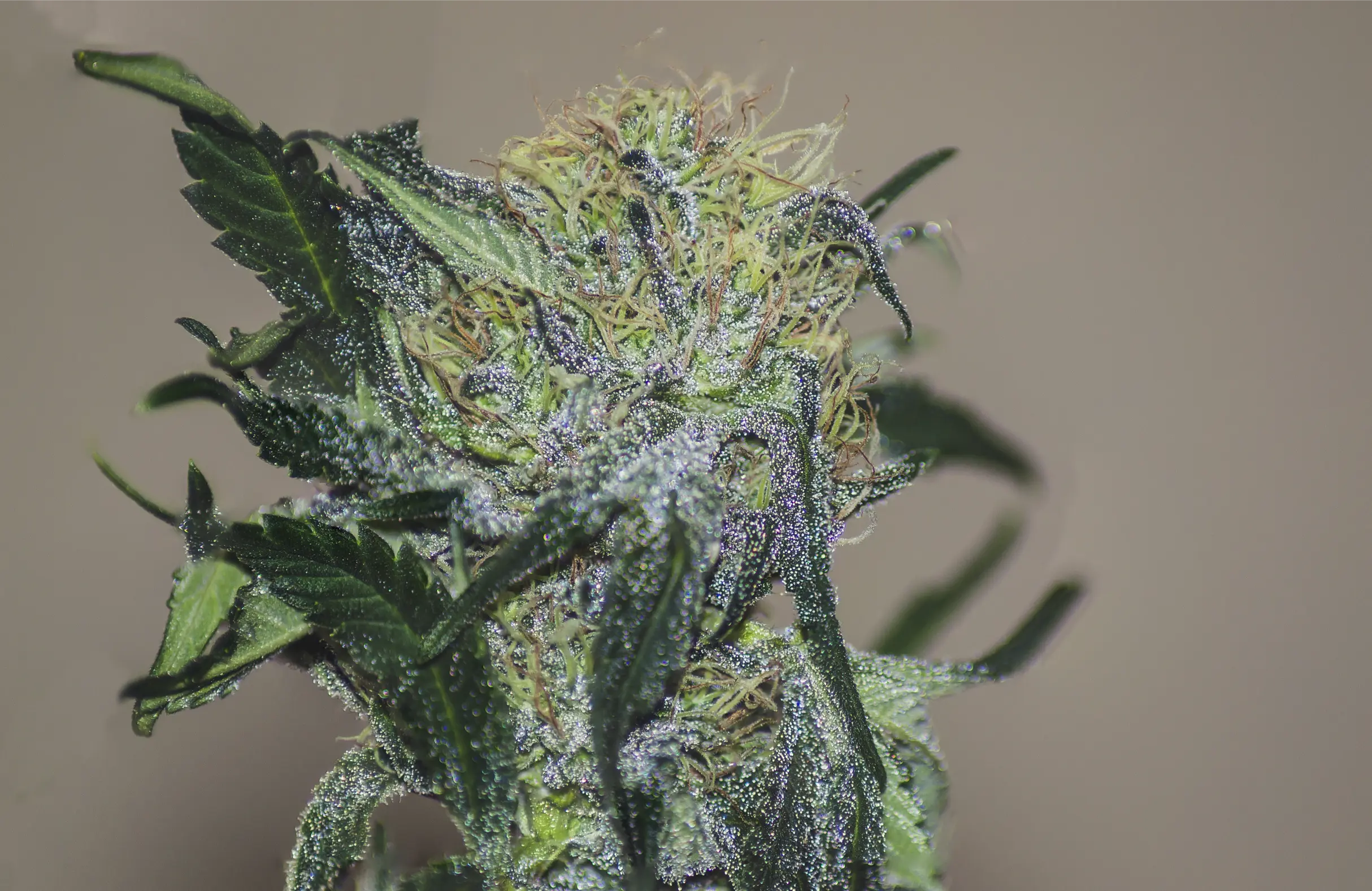
Should a Beginner Grow One Plant or Several?
When preparing to launch their inaugural indoor cannabis garden, novice cultivators inevitably confront a fundamental strategic question: is it wiser to cultivate a single plant with dedicated focus, or should you germinate several seeds simultaneously? While this choice may seem like a simple personal preference, it directly dictates your daily operational workload, the biological failure risk of your harvest, the microclimatic humidity burden on your equipment, and the steepness of your agronomic learning curve.
Advocates of the single-plant methodology emphasize simplicity, lower financial investment, and intimate observational learning. Caring for one solitary plant allows a beginner to focus 100 percent of their mental bandwidth on mastering fundamental plant physiology: observing daily transpirational water uptake, gauging container weight fluctuations, and learning how vegetative meristems respond to training without the distraction of multi-plant management. Furthermore, managing a single container minimizes initial seed expenditures and drastically simplifies nutrient mixing and reservoir management.
Conversely, the single-plant strategy carries an existential biological vulnerability: zero operational redundancy. If your sole plant succumbs to damping-off fungal disease during the seedling stage, suffers catastrophic root desiccation from an uncalibrated pH pen, or unexpectedly displays male or hermaphroditic floral traits due to environmental stress, your entire cultivation cycle is instantly reduced to zero percent yield. Weeks of electrical consumption and personal anticipation vanish in an afternoon, forcing you to clean the tent and restart from seed.
Biological Redundancy vs. Single-Plant Failure Risk in First Grows
Cultivating Several Plants Typically Two to Four
Cultivating several plants (typically two to four containers in a hobby grow tent) distributes biological risk across multiple root systems while accelerating the production timeline. However, multiple plants introduce complex canopy management challenges, multiply daily watering chores, accelerate transpiration rates, and demand significantly larger dehumidification capacity. In this comprehensive technical guide, we systematically evaluate the single-plant versus multi-plant pathways across every critical operational dimension, establishing an objective framework to help you select the optimal plant count for your first grow.
Carefully Evaluating Your Living Environment and Lifestyle
Carefully evaluating your living environment and lifestyle schedule before purchasing seeds prevents costly beginner frustration. While online cultivation videos frequently showcase crowded tents overflowing with dozens of colas, commercial reality requires recognizing the mechanical and electrical overhead demanded by high plant counts. Selecting the appropriate plant count aligns your physical space with biological realities, ensuring that your garden remains an enjoyable, highly rewarding hobby rather than a stressful daily obligation.
“If I decide to grow two feminized seeds in a 2×4 tent, should I plant two seeds of the exact same cultivar or two different strains for variety?”
Question sent by: Gavin Bélanger, via contact form.
Start with two seeds from the same stable cultivar for your first harvest. Even within a single feminized seed pack, sibling phenotypes can differ slightly in internodal stretch and feeding appetite, which gives you valuable practice equalizing canopy height without forcing you to manage two completely different flowering timelines.
Running two radically different cultivars, such as a 60-day broad-leaf hybrid alongside a 75-day stretchy haze, creates major logistical headaches when you use the same grow tent for drying. Sticking to one cultivar ensures both plants finish within days of each other so you can harvest, hang, and dry the entire crop in one dark, climate-controlled enclosure.
Understanding the concept of biological redundancy highlights why commercial cultivators almost universally reject single-plant configurations in production environments. While an experienced grower running verified genetic clone stock can execute a single-plant SCROG with absolute mathematical confidence, a novice working with feminized seeds faces genetic and environmental uncertainties that make single-plant cultivation an unnecessary high-wire act.
Phenotypic Variation and Canopy Height Management Across Multiple Plants
Agronomic Studies Indicate That First-time Cultivators Experience
Agronomic studies indicate that first-time cultivators experience seedling mortality rates between twenty and thirty percent, primarily driven by over-enthusiastic hand-watering, improper planting depth, or excessive fertilizer salt concentrations in seedling starter soils. When a beginner places all their hopes on a single seed, a minor damping-off infection caused by waterlogged media halts the entire project before vegetative growth even begins. Having a second or third seedling emerging in adjacent starter plugs ensures that a single germination failure does not derail your seasonal cultivation timeline.
The All-Eggs-in-One-Basket Risk: Biological Redundancy in First Grows
In risk management and agricultural engineering, redundancy is the primary safeguard against catastrophic system failure. For a first-time cannabis grower, the probability of committing an operational error (such as severe over-watering, accidental nutrient overdose, light timer malfunction, or snapping a main structural stem during training) is statistically at its lifetime highest. In a single-plant garden, an unrecoverable mistake results in a 100 percent loss of time, capital, and harvest yield. In a four-plant garden, losing one plant to seedling damping-off or root hypoxia reduces your plant count by 25 percent, but your harvest yield can be completely preserved simply by extending vegetative training on the surviving three plants to fill the available canopy footprint.
Multiple Plants Provide Critical Educational Comparison Points
Furthermore, multiple plants provide critical educational comparison points. When a novice cultivates only one plant, diagnosing foliar abnormalities becomes an exercise in subjective guesswork: is a slight leaf curl an indicator of nitrogen toxicity, underwatering, windburn from an oscillating fan, or simply a benign genetic quirk? Without an adjacent specimen receiving identical inputs for comparison, identifying the true cause of physiological distress is extraordinarily difficult.
“Can I germinate four seeds in small starter pots and then keep only the strongest two plants once they reach the third node?”
Question sent by: Gavin Caron, via email.
Yes, germinating an extra seed or two in 4-inch nursery pots and selecting the most vigorous seedlings at day 14 to 18 is one of the smartest risk-reduction strategies a beginner can use. Early culling eliminates stunted or slow-rooting phenotypes before you invest substrate volume, nutrients, and vegetative electricity into final containers.
Just make sure your total germinated seedling count stays strictly within your local legal home-grow plant limit at all times. Even unsexed seedlings in solo cups count toward statutory plant caps in most jurisdictions.
In contrast, cultivating three or four plants simultaneously under identical lighting, temperature, and feeding regimes establishes a natural scientific control group. If all four plants display downward clawing leaf tips simultaneously, the cultivator can conclude with certainty that the shared nutrient solution possesses an excessive electrical conductivity (EC). If only one plant displays pale lower foliage while its three neighbors remain dark green, the grower can deduce that this specific individual possesses higher transpirational demand or distinct phenotypic nutrient uptake kinetics.
Phenotypic Variation: Why Identical Seeds Grow Differently
Novice cultivators frequently assume that seeds originating from the same breeder pack will develop into identical plant clones. In biological reality, cannabis is an obligate outcrossing species with immense genetic heterozygosity. Even feminized seeds from reputable seed banks represent unique genetic combinations (siblings, not identical twins). In a four-plant garden, two seedlings may express compact, stocky Indica morphology with broad leaves, while the other two express stretchy, vigorous Sativa architecture. Managing this natural phenotypic variation requires selective training (propping smaller pots on platforms to equalize canopy height), but it rewards the beginner with a diverse spectrum of aromas, terpene profiles, and cannabinoid potencies at harvest.
Daily Watering Labor, Tent Access, and Post-Harvest Trimming Workload
Managing Phenotypic Diversity
Managing phenotypic diversity introduces the primary operational argument against multi-plant grows for beginners: canopy height divergence and maintenance friction. In an indoor grow tent, where photon irradiance decays rapidly beneath stationary LED luminaires according to the inverse-square law, maintaining a flat, level canopy plane is essential for uniform bud development.
When Multiple Genetically Diverse Plants Share
When multiple genetically diverse plants share a single grow tent, one vigorous phenotype will naturally stretch ten to fifteen inches taller than its neighbors during the early flowering stretch. To prevent this dominant shoot from touching the light fixture, the grower is forced to raise the entire overhead luminaire. Consequently, the shorter, slower-growing plants below receive severely attenuated photon flux, reducing their floral density and cannabinoid synthesis. Achieving canopy uniformity with multiple plants demands active, continuous intervention: elevating smaller containers on wooden blocks, super-cropping aggressive shoots, and weaving stems through separate trellis nets.
“Does growing four plants instead of one in the same tent under the same 300W LED light actually double my final dry yield?”
Question sent by: MendocinoRoots, via reader Q&A form.
No. Once your horizontal canopy fills 85 to 90 percent of the tent footprint and intercepts all available photons from your 300-watt LED fixture, total harvest weight is governed by daily light integral (DLI) and environmental stability rather than root count.
Four plants reach full canopy closure roughly three weeks faster than a single plant, which improves grams per day of total cycle time, but a properly trained single-plant or dual-plant canopy filling the same square footage under the same fixture produces a comparable single-harvest dry weight.
Modern bar-style LED fixtures deliver broad, uniform photon distribution across the canopy, but they cannot compensate for severe vertical height disparities between plants. If an aggressive sativa-leaning phenotype shoots up toward the diodes while a broad-leaf indica remains squat, the grower is caught in a photonic bind: keeping the light high starves the short plant, while lowering the light photobleaches the tall plant. Managing this height divergence requires vigilance and manual canopy manipulation every single day during the stretch phase.
Transpiration Load, Nighttime Humidity Spikes, and Dehumidification Sizing
With a Single Plant, This Inter-plant Competition
With a single plant, this inter-plant competition is eliminated completely. The single plant possesses a unified vascular system and root base: any training technique applied (such as topping the main apical shoot or spreading lateral branches beneath a horizontal screen) is distributed evenly across the organism. The grower can sculpt the single plant into a perfectly symmetrical, flat geometric table of colas that maximizes photon absorption across every square inch of the tent footprint.
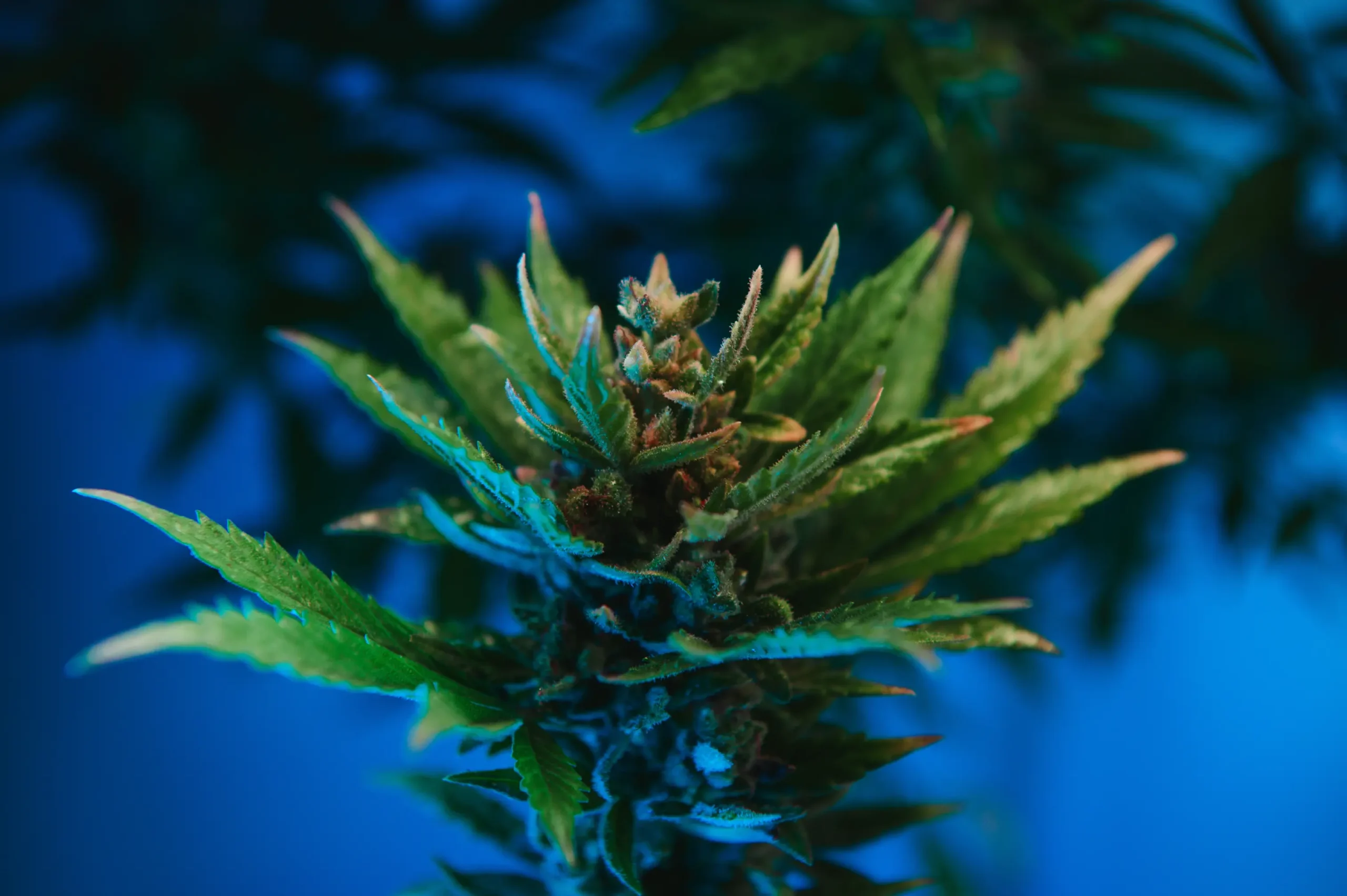
Operational Labor and Daily Time Commitments
Operational labor and daily time commitments represent another critical operational battlefield where the single-plant and multi-plant pathways diverge dramatically. Cultivating cannabis requires consistent, disciplined physical maintenance: measuring nutrient stock concentrates, checking water pH and electrical conductivity, delivering fertigation solution, measuring runoff drainage, and emptying wastewater saucers.
In a single-plant setup utilizing a 5-gallon container, the daily watering ritual is remarkably swift and clean. The cultivator mixes a single 2-gallon batch of nutrient solution in a bucket, tests pH once, pours the liquid evenly over the substrate, and empties a single drainage saucer beneath the pot. This entire sequence takes less than ten minutes. Physical access inside the grow tent remains unobstructed: the grower can easily rotate the single container 360 degrees to inspect the underside of leaves for microscopic spider mites, prune lower yellowing foliage, or adjust oscillating circulation fans.
Single-Plant vs. Multi-Plant Operational Comparison Matrix
In a Four-plant Setup, Daily Operational Friction Quadruples.
In a four-plant setup, daily operational friction quadruples. The grower must prepare six to eight gallons of nutrient solution daily during peak flowering, requiring larger mixing reservoirs and heavier physical lifting. Delivering liquid to containers positioned in the back corners of a crowded grow tent requires contorting your body, maneuvering long watering wands beneath dense foliage, or installing complex automated drip manifolds. If individual plants display differing dry-back rates, the cultivator cannot apply a uniform volume; rather, each container must be individually lift-tested and dosed according to its specific moisture demand.
The Trimming Fatigue Factor: Post-Harvest Labor Realities
The single most underestimated operational hurdle in first-time cannabis cultivation is post-harvest processing labor. Harvesting, wet-bucking, and hand-manicuring mature cannabis colas is an intensive, repetitive manual task. In a single-plant garden vegged for eight weeks, the plant produces eight to twelve massive, dense primary colas with minimal loose larf undergrowth; hand-trimming this single plant yields approximately six to eight ounces of clean flower in three to five hours of focused work. In a four-plant garden vegged for four weeks, total yield may be identical, but the harvest consists of dozens of smaller, popcorn-sized buds requiring intricate manicuring around hundreds of tiny sugar leaves. Hand-trimming four smaller plants frequently demands ten to fourteen hours of grueling labor, inducing severe hand-cramping and grower fatigue.
Recognizing the reality of trimming fatigue helps beginners calibrate their expectations before planting. Trimming is not a leisurely ten-minute activity; it is an ergonomic marathon. If your lifestyle, professional obligations, or family commitments leave you with limited free time, facing four mature plants simultaneously on harvest weekend can quickly transform a joyful hobby into an exhausting chore.
Whether you choose wet trimming (manicuring freshly chopped buds before drying) or dry trimming (hanging whole branches for 14 days and manicuring dried flower), multiple small plants exponentially multiply the number of individual cuts required. Smaller lateral buds have higher surface-area-to-volume ratios, meaning they hold dozens of tiny crow’s-foot sugar leaves that must be painstakingly clipped with spring-loaded shears. A single plant with ten massive colas allows you to glide shears down long, smooth calyx profiles, trimming ounces in minutes rather than hours.
Environmental Climate Dynamics Also
Environmental climate dynamics also shift dramatically as plant counts increase. In an enclosed indoor grow tent, plants function as living evaporative humidifiers. More than ninety-five percent of the liquid water absorbed by cannabis roots is not retained within plant tissue; rather, it is transpired directly into the surrounding atmosphere through microscopic foliar stomata as pure water vapor.
A Single Mature Plant in Mid-flowering Transpires
A single mature plant in mid-flowering transpires approximately one to two liters of water vapor into the air every twenty-four hours, an evaporative load easily managed by standard inline exhaust fans and small domestic dehumidifiers. Four mature plants, however, pump four to eight liters of water vapor into that exact same cubic airspace daily. During the dark night cycle, when relative humidity naturally spikes as ambient temperatures drop, this massive moisture load will overwhelm undersized dehumidifiers, pushing relative humidity above seventy percent and creating lethal conditions for Botrytis cinerea (gray bud rot) inside dense colas.
“I have a 3×3-foot grow tent with a 300-watt LED light; should I grow one plant in a 7-gallon pot or four plants in 3-gallon pots for my first grow?”
Question sent by: FrontRangeVPD, via contact form.
For your first cultivation run in a 3×3-foot tent, you should choose the golden compromise: grow precisely two plants in 5-gallon fabric containers rather than one massive plant or four crowded plants. A single plant in a 7-gallon pot would require a prolonged six-to-seven-week vegetative period and aggressive training to fill your 9-square-foot footprint, leaving you with zero redundancy if that single seed fails. Conversely, four plants in 3-gallon pots will pack your 3×3 tent wall-to-wall by week three of flowering, severely restricting internal airflow, making watering the back pots an awkward struggle, and creating high humidity spikes that increase mold risk.
Growing two plants in 5-gallon pots gives you the ideal beginner balance: (1) You gain 100 percent biological redundancy if one plant encounters severe seedling shock; (2) You only need three to four weeks of vegetative growth before flipping to 12/12, saving three weeks of electricity compared to a single-plant SCROG; (3) You maintain comfortable walking and reaching corridors inside the tent for clean watering and runoff drainage; and (4) You can easily harvest 8 to 12 ounces of premium dry flower under your 300-watt LED.
Mateo’s dilemma captures the precise calculations every beginner must navigate. While extreme positions (one single plant versus four or six plants) dominate online cultivation forums, the practical reality of home growing frequently rewards intermediate plant counts. By selecting two or three plants, novice cultivators capture the core benefits of both strategies while neutralizing their primary liabilities.
Choosing Plant Count by Grow Tent Size and Cultivation Method
To Provide a Clear Objective Comparison Across
To provide a clear, objective comparison across all critical operational parameters, the following comprehensive decision matrix contrasts single-plant, dual-plant, and four-plant setups within a standard hobby cultivation footprint.
| Operational Parameter | Single-Plant Setup (1 Plant) | Dual-Plant Setup (2 Plants) | Four-Plant Setup (4 Plants) | Optimal Strategy / Winner |
|---|---|---|---|---|
| Biological Redundancy | Zero (100% crop loss if plant fails) | Moderate (50% crop preserved if one fails) | High (75% crop preserved if one fails) | 4 Plants: Maximum failure safety |
| Vegetative Duration | Extended (6 to 8 weeks to fill canopy) | Moderate (4 to 5 weeks to fill canopy) | Fast (2 to 3 weeks to fill canopy) | 4 Plants: Shaves 3 to 4 weeks per cycle |
| Initial Seed Cost | Minimal ($10 to $15 for 1 seed) | Low ($20 to $30 for 2 seeds) | Moderate ($40 to $60 for 4 seeds) | 1 Plant: Lowest upfront seed outlay |
| Daily Watering Friction | Very Low (1 container, 1 saucer, 5 min) | Low (2 containers, 10 min) | High (4 containers, awkward reach, 20 min) | 1 Plant: Maximum daily simplicity |
| Canopy Height Uniformity | Absolute (Single uniform vascular system) | Easily managed with minor pot propping | Challenging (Diverse phenotypic stretch) | 1 Plant: Flat, symmetrical canopy plane |
| Transpiration & Mold Risk | Low (1 to 2 liters transpired daily) | Moderate (2 to 4 liters transpired daily) | High (4 to 8 liters; high dehumidifier load) | 1 Plant: Cleanest microclimate control |
| Post-Harvest Trimming Hours | Fast (Fewer, larger top colas; 3-5 hrs) | Moderate (Balanced cola sizing; 5-7 hrs) | Exhausting (Many smaller buds; 10-14 hrs) | 1 Plant: Minimizes trimming fatigue |
| Legal Plant-Count Safety | 100% compliant in all legal jurisdictions | Compliant with standard home-grow laws | May push statutory limits in some regions | 1 Plant: Total legal peace of mind |
Analyzing this operational matrix reveals why the dual-plant or triple-plant setup represents the premier recommendation for first-time growers. It strikes the perfect balance: providing essential biological failure insurance without overwhelming the tent with unmanageable foliage or demanding commercial-grade dehumidification equipment.
Furthermore, running two distinct cultivars allows the beginner to explore personal botanical preferences. For instance, a home medical patient can cultivate one balanced 1:1 CBD-to-THC cultivar alongside one high-THC terpene-rich cultivar. Both plants can be managed comfortably side by side in five-gallon containers, providing dual sensory and therapeutic outcomes from a single electric utility bill.
If you choose to cultivate multiple plants, you must implement proactive spatial and training protocols from day one. Space containers evenly across the tent floor, maintaining at least four inches of clear space between the outer edges of the fabric pots and the tent walls to ensure unobstructed air circulation. As plants enter the vegetative stretch, do not hesitate to prune away overlapping fan leaves where adjacent plants touch, preventing moisture condensation and foliar shading.
The Rule of Two: The Golden Compromise for First-Time Growers
For any novice cultivator operating a standard 3×3-foot or 4×4-foot grow tent, adopt the Rule of Two: germinate precisely two seeds of the exact same stable, feminized hybrid strain from a premier seed bank. Growing two plants of the identical cultivar minimizes phenotypic height disparities, ensuring both plants stretch at similar rates under your lighting array. If both plants thrive, you harvest an abundant canopy with minimal vegetative wait time. If one plant suffers seedling mortality or root complications, you simply train the surviving plant across the remaining space, guaranteeing zero harvest downtime.
Adhering to the Rule of Two Removes
Adhering to the Rule of Two removes the paralyzing fear of failure that often haunts first-time growers. Knowing that you have an active biological backup in the tent allows you to experiment with low-stress training, topping, and defoliation with confidence. If an accidental branch snap occurs on plant A, you can practice repairing it with grafting tape while plant B continues growing completely undisturbed.
If Your Available Growing Space
In contrast, if your available growing space is strictly confined to a compact 2×2-foot micro-tent or an adapted wardrobe cabinet, you must respect physical geometric constraints and commit strictly to a single plant. Packing two or three containers into a four-square-foot micro-tent results in immediate, severe overcrowding: foliage presses hard against zippers, humidity reaches saturation, and lower colas decay in darkness. In micro-environments, single-plant SCROG training is the only viable engineering path to success. Dedicating all available root volume and lumens to one meticulously trained plant in a small space guarantees optimal air circulation, clean perimeter wall buffers, and uniform floral maturation without chronic mold risks.
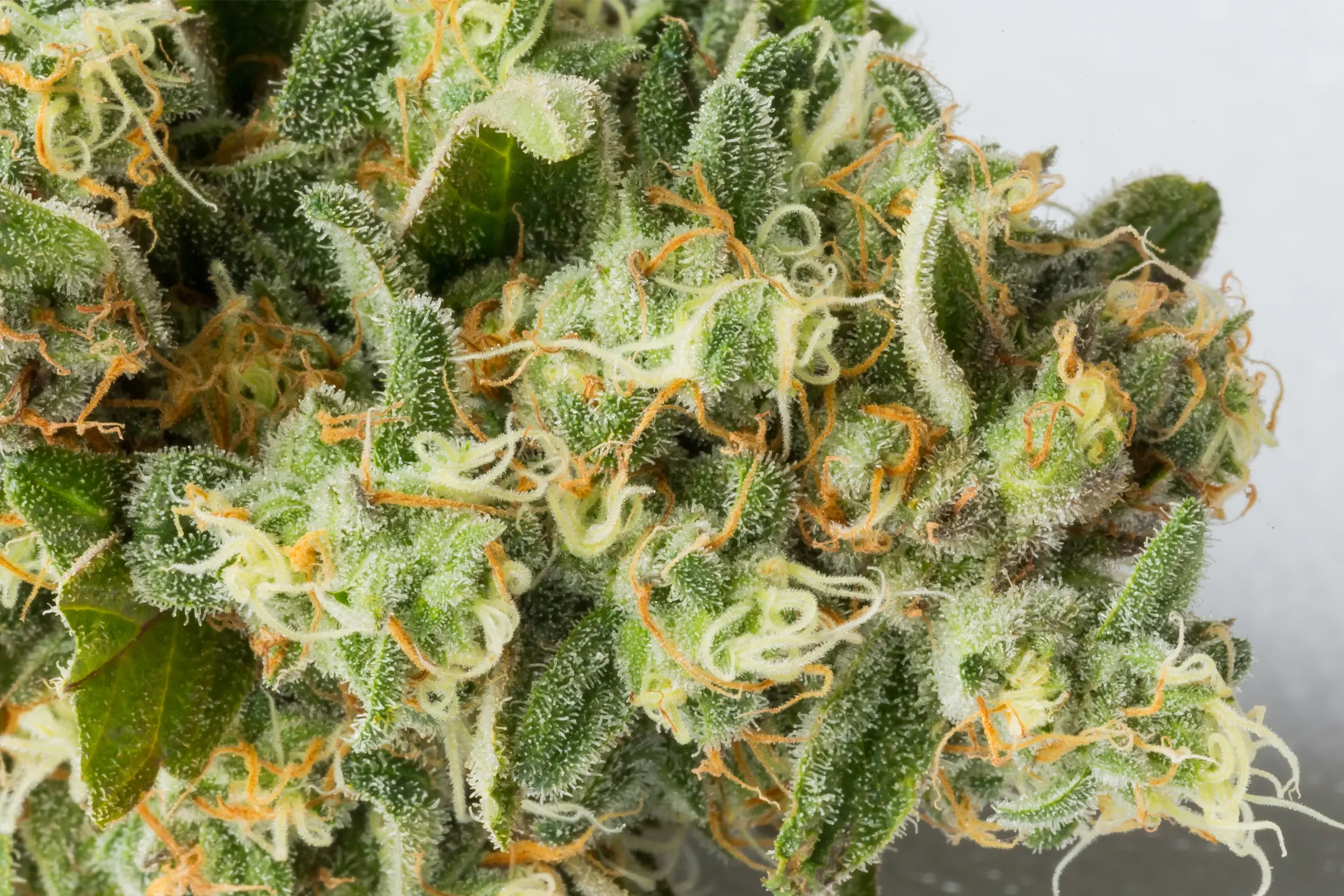
Executing this pre-planting self-assessment guarantees that your inaugural cultivation run is tailored to your real-world living conditions rather than an idealized internet forum standard. Cultivators who honestly audit their available domestic bandwidth before cracking seeds avoid the common trap of over-committing to an unmanageable garden. A four-plant grow tent that begins as an exciting project can quickly turn into an overwhelming logistical burden by week six of flowering if the grower lacks the time required for daily reservoir checks, defoliation passes, and individual container runoff testing.
Furthermore, spatial congestion inside a hobby tent directly impacts pest and pathogen vulnerability. When multiple plants are crammed together, their overlapping foliage creates stagnant microclimatic zones where high relative humidity lingers, providing the ideal breeding ground for powdery mildew and spider mites. In contrast, keeping plant numbers aligned with tent dimensions ensures that oscillating fans can circulate air freely across every leaf surface, keeping foliage dry and resilient.
First-Grow Plant Count Selection and Setup Checklist
Review this operational readiness checklist to confirm your chosen setup satisfies all structural, mechanical, and logistical requirements before proceeding.
Field Verification Checklist
- Tent Dimensions and Usable Footprint Verified: Confirm that tent floor area supports your plant count (2×2 ft for 1 plant, 3×3 ft for 1-2 plants, 4×4 ft for 2-4 plants).
- Dehumidifier Pints-Per-Day Capacity Sized: Ensure your dehumidifier can extract at least 30 to 50 pints per day if cultivating three or four plants in bloom.
- Daily Maintenance Time Availability Audited: Allocate 10 minutes daily for a single plant, or budget 20 to 30 minutes daily for multi-plant watering and runoff testing.
- Seed Genetics Selected for Uniformity: If growing multiple plants, select stable feminized seeds of the same cultivar to prevent severe canopy height divergence.
- Physical Access and Plant Rotation Confirmed: Verify that you can reach back pots easily, or install rolling plant caddies beneath each container for 360-degree rotation.
- Post-Harvest Trimming Schedule Reserved: Block out 4 hours on your calendar for single-plant harvesting, or reserve a full weekend for trimming multiple plants.
To assist with chronological planning throughout your first cycle, the following operational timeline details how daily management tasks scale between single-plant and multi-plant configurations across each growth phase. Understanding how daily maintenance responsibilities evolve from the tender seedling stage through late-flowering bulking allows growers to budget their daily hours realistically.
During early vegetative growth, both setups require minimal daily intervention: young plants drink small volumes of water, and training demands are light. However, as the canopy enters the mid-flowering stretch, multi-plant setups experience an exponential surge in transpirational water demand, requiring twice-daily reservoir checks, careful monitoring of individual container dry-back rates, and aggressive dehumidifier management. Single-plant setups, by contrast, maintain a smooth, predictable operational curve where water delivery and environmental parameters remain easily controllable.
Additionally, remember to plan your drying room footprint in advance: hanging four whole mature plants requires twice as much dark, climate-controlled drying volume as a single manicured plant. Reviewing this lifecycle comparison matrix helps you visualize the progressive operational commitments of each path before making your final selection.
| Cultivation Phase | Single-Plant Management Workflow | Multi-Plant Management Workflow (2-4 Plants) | Key Operational Difference |
|---|---|---|---|
| Germination & Seedling | 1 starter plug; 100% focus on single taproot moisture. | 2-4 starter plugs; monitor individual emergence rates. | Multi-plant setup provides instant backup if one seed fails. |
| Early Vegetative | 1 pot to water; top apical shoot once above node 4. | 2-4 pots to water; top all plants; label individual phenotypes. | Multiple pots require tracking separate dry-back schedules. |
| Canopy Training | Weave single plant across entire SCROG screen (6-8 wks). | Light LST; flip lights after 3-4 wks once canopy merges. | Multi-plant setup saves 3 to 4 weeks of vegetative electricity. |
| Flowering Stretch | Single uniform stretch; light stays close and level. | Uneven stretch; prop shorter pots on blocks to level canopy. | Multi-plant requires active height equalization. |
| Mid-to-Late Bloom | Water 2 gallons every 3 days; low humidity load. | Water 6-8 gallons daily; dehumidifier runs continuously. | Multi-plant demands double or triple electrical moisture removal. |
| Harvest & Trimming | Harvest 1 root ball; trim large colas in 3-5 hours. | Harvest 2-4 pots; trim dozens of smaller colas over 8-12 hours. | Single plant significantly reduces post-harvest labor fatigue. |
Ultimately, the decision to cultivate one cannabis plant or several is not a test of your horticultural virtue; it is an exercise in practical alignment between plant biology, physical space, and personal lifestyle. Cultivators who choose the single-plant path enjoy meditative simplicity, master-level training control, and relaxed trimming sessions. Those who choose the multi-plant path gain peace of mind through biological redundancy, genetic flavor diversity, and rapid crop turnaround times.
By understanding the mechanical trade-offs between root volume, canopy air circulation, transpiration loading, and post-harvest labor, you can enter your first growing season with complete clarity. Whichever path you choose, approach your garden with patient curiosity, respect the living nature of the plant, and celebrate the incredible reward of harvesting your own clean, potent, home-grown cannabis flowers.
As you gain hands-on experience over successive cycles, your comfort level with plant morphology and environmental steering will naturally expand. Many experienced growers alternate strategies throughout the year: running multiple fast autoflowers during winter for genetic variety, then dedicating the entire spring and summer to sculpting a single massive connoisseur photoperiod SCROG plant. Mastering both methods elevates your agronomic versatility, ensuring bountiful, top-tier harvests under any cultivation conditions.
Scientific References
- Bernstein, N., Gorelick, J., Zerahia, R., & Koch, S. (2019). Impact of environmental conditions on secondary metabolite production in Cannabis sativa L. Industrial Crops and Products, 139, 111467.
- Bugbee, B. (2016). Toward an optimal spectral quality for plant growth and development: The importance of green light and far-red radiation. Acta Horticulturae, 1134, 1-12.
- Eaves, J., Eaves, O., & Chandra, S. (2020). The economics of indoor cannabis cultivation: Energy, labor, and production efficiency. Agricultural and Resource Economics Review, 49(3), 478-498.
- Handreck, K. A., & Black, N. D. (2002). Growing Media for Ornamental Plants and Turf (3rd ed.). UNSW Press, Sydney, Australia.
- Poorter, H., & Sack, L. (2012). Pitfalls and possibilities in the analysis of plant allocation: Allometric equations and biomass allocation. Frontiers in Plant Science, 3, 259.
- Taiz, L., Zeiger, E., Møller, I. M., & Murphy, A. (2015). Plant Physiology and Development (6th ed.). Sinauer Associates, Sunderland, MA.
- Zheng, Y. (Ed.). (2021). Handbook of Cannabis Production in Controlled Environments. CRC Press, Boca Raton, FL.
Share this article
A quick overview of the topics covered in this article.
Follow us
Latest articles
November 7, 2026
November 7, 2026
November 7, 2026
November 7, 2026
