
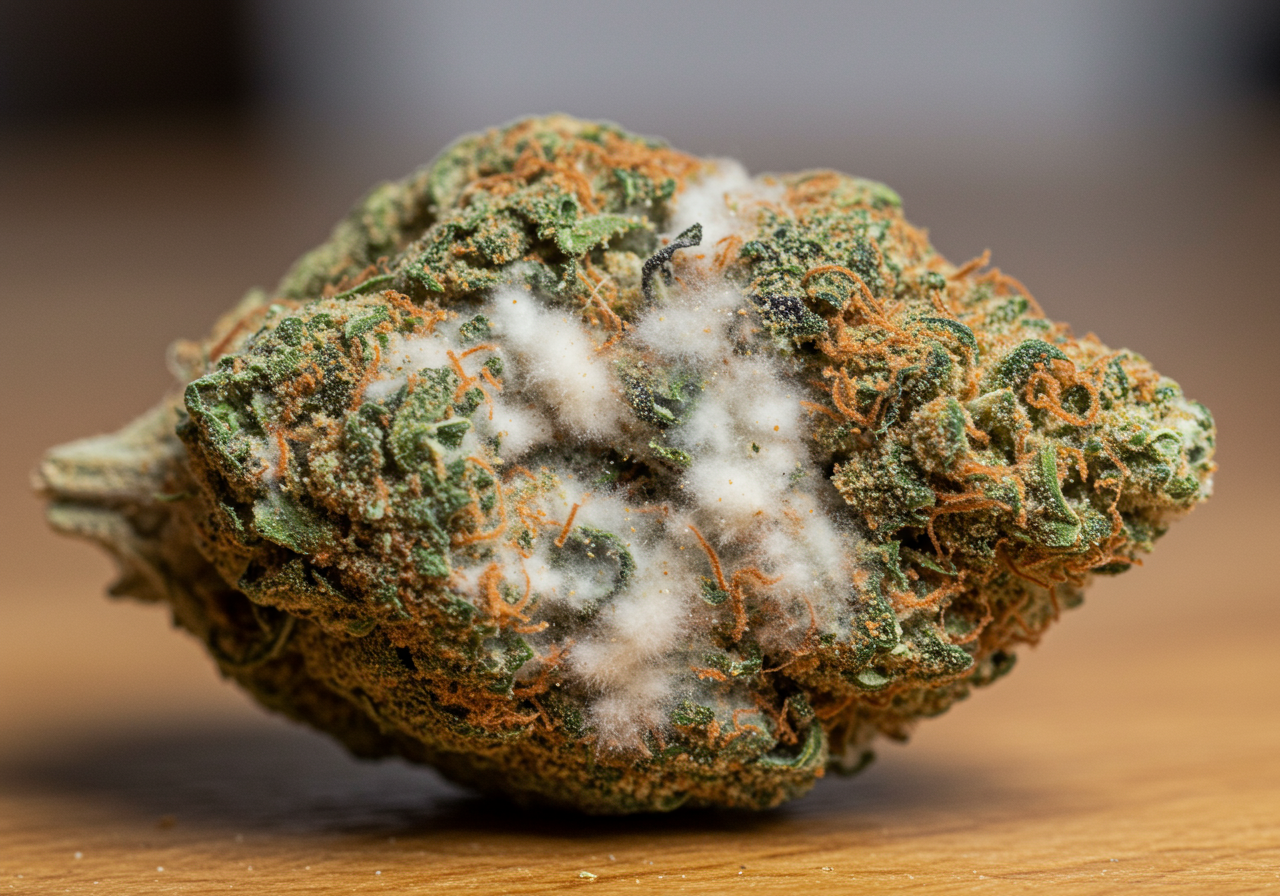
Moldy Cannabis: Why Cutting Around It Is Not Enough
When growers spot a patch of fuzzy gray Botrytis bud rot or dusty Aspergillus inside a prized late-stage cola or curing jar, the first impulse is almost always surgical triage: snip away the brown, fuzzy chunk plus a half-inch margin and keep the clean-looking surrounding flower. Scientifically, that shortcut fails. What appears to the naked eye as localized surface fuzz is merely the spore-bearing reproductive crown of microscopic vegetative hyphae (filamentous fungal threads) that penetrate deep between bract walls, central stems, and vascular cells well ahead of visible decay, alongside millions of hydrophobic spores released across adjacent flower.
Adding further risk, certain molds such as Aspergillus, Penicillium, and Fusarium can produce heat-stable secondary metabolites (mycotoxins) and allergenic fungal fragments that survive ordinary lighter ignition, home ovens, and solvent extraction. This guide explains the microscopic biology behind invisible mold spread, how far contamination truly extends during grow and cure, why extraction or washing fails to purify moldy flower, and how to isolate clean neighboring branches without salvaging unsafe tissue.
Why Visible Fuzz Is Only the Reproductive Tip of an Established Colony
Fungi never limit themselves to the softened brown surface spot you can pinch away with trimming shears.
Penetrating Hyphal Networks vs Surface Spore Masses
Filamentous fungi grow through microscopic tubular cells called hyphae measuring just 2 to 10 micrometers wide, roughly one-tenth the diameter of a human hair. Before a single conidiophore stalk rises into open air to release gray fuzz (Botrytis cinerea) or dusty olive-white spores (Penicillium, Aspergillus), hyphae have already secreted pectinase and cellulase enzymes to digest interstitial cells inside deeper calyx layers and stem pith.
When you cut 1 or 2 centimeters below visibly decayed flower, seemingly green, firm adjacent bracts inside that exact same cola frequently harbor invisible unpigmented mycelial strands waiting for moisture equilibrium inside a jar to resume expansion.
How Harvest Trimming and Jar Airflow Disperse Spores Exponentially
Pinching or trimming a moldy bud releases dry conidia clouds directly onto fingers, trimming scissors, harvest bins, and neighboring flower faces. Even if an adjoining lower bud has zero internal mycelium at chop time, covering sticky resin glands with hundreds of thousands of dormant spores guarantees exponential mold blooms anytime curing equilibrium relative humidity nudges past 68 percent.
Heat-Stable Mycotoxins and Respirable Fungal Fragments
Unlike living bacterial cells killed quickly by boiling heat, fungal spores, beta-glucan cell walls, and carcinogenic or nephrotoxic mycotoxins such as aflatoxins, ochratoxin A, and trichothecenes remain chemically stable far beyond standard decarboxylation or combustion temperatures. Inhaling smoke or vapor pulled across mold-compromised buds carries direct respiratory spore, antigen, and toxin risks, particularly for anyone with asthma, allergy sensitivity, or weakened immunity.
Subclinical Hyphal Margin
The invisible advance zone inside dense floral tissue extending centimeters beyond any discolored or fuzzy border where microscopic fungal hyphae are already metabolizing bract moisture and releasing cellular enzymes without yet producing pigmented surface spores.
Evaluating how specific cannabis molds behave in standing plants versus sealed jars shapes realistic quarantine boundaries.
Discovering a single fuzzy spot inside an otherwise dense harvest forces an uncomfortable decision about the rest of the cola and curing jar.
“If I carefully cut off a tiny brown fuzzy spot on a huge main cola with half an inch of green margin, is the bottom half safe to dry and cure?”
Question sent by: Austin Tremblay, via email.
Even with a half-inch margin, invisible microscopic hyphae commonly penetrate deeper down inner bract spaces and central stems while physical cutting sheds thousands of airborne spores onto surrounding sticky resin. Discard the entire affected cola rather than cutting around rot; inspect completely separate clean branches carefully before deciding whether to dry them.
Evaluating plant response calmly after addressing the primary mechanism protects moldy cannabis: why cutting around it is not enough outcomes over the days ahead.
Separating Fungal Contamination Types Before Guessing
Proper inspection under neutral bright white light and 20x to 40x magnification separates dangerous mold structures from harmless botanical look-alikes.
Botrytis Gray Mold vs Aspergillus / Penicillium Storage Molds
Pre-harvest Botrytis cinerea commonly originates inside warm, moist, swollen central bracts and dead embedded fan-leaf petioles, causing localized sugar leaves to twist yellow-brown and yank cleanly out with zero stem tug. Storage molds such as Penicillium, Aspergillus, and Mucor often bloom across exterior flower surfaces after bottling too early (aw above 0.70, RH above 70%), leaving powdery blue-green, yellow-tan, or cottony white webs accompanied by stale basement, damp paper, or sharp ammonia odors.
Spotted Webbing vs Non-Glandular Cystolith Hairs and Trichomes
Under close inspection without proper lighting, growers routinely panic over innocent pale botanical structures along stems and leaf petioles: rigid, directional crystalline trichome hairs (cystolith hairs) align in uniform rows toward tip growth and glint brightly under flashlights, whereas true fungal mycelia tangle unpredictably in chaotic, intersecting cottony nets across dead and living bracts alike.
| Observation Under 30x Lens | Odor & Physical Cue | Biological Identity | Safety & Batch Decision |
|---|---|---|---|
| Tangled cobweb filaments inside mushy tan/gray core bracts; sugar leaf pulls free easily | Earthy rot, wet cardboard smell; tissue crushes soggy under light squeeze | Botrytis cinerea (Gray Bud Rot) | Discard affected cola completely; inspect adjacent stems and cut remaining clean flower lower down only if isolated in field |
| Dusty powdery olive, blue-green, or pale yellow spore tufts inside curing jars | Musty cellar, stale ammonia, or sharp acrid odor when lid pops | Storage mold (Penicillium / Aspergillus / Cladosporium) | Discard entire affected jar batch cleanly; sanitize jars and lids in dishwasher/bleach |
| Chalky white circular spots flat across green sugar leaves in flower | Little odor early; spreads radially along outer leaves without rotting core | Powdery mildew (Golovinomyces spp.) | Do not attempt bud washing or spot trimming contaminated flowers; dispose affected branches safely |
| Uniform needle-like clear stalks or glistening amber/cloudy capitate heads | Clean cultivar terpene scent; tissue snaps crisp and cohesive | Normal trichomes and non-glandular stem hairs | Safe healthy botanical anatomy; continue normal dry or cure checks |
Understanding why common ‘rescue workarounds’ fail stops well-meaning growers from concentrating mold toxins.
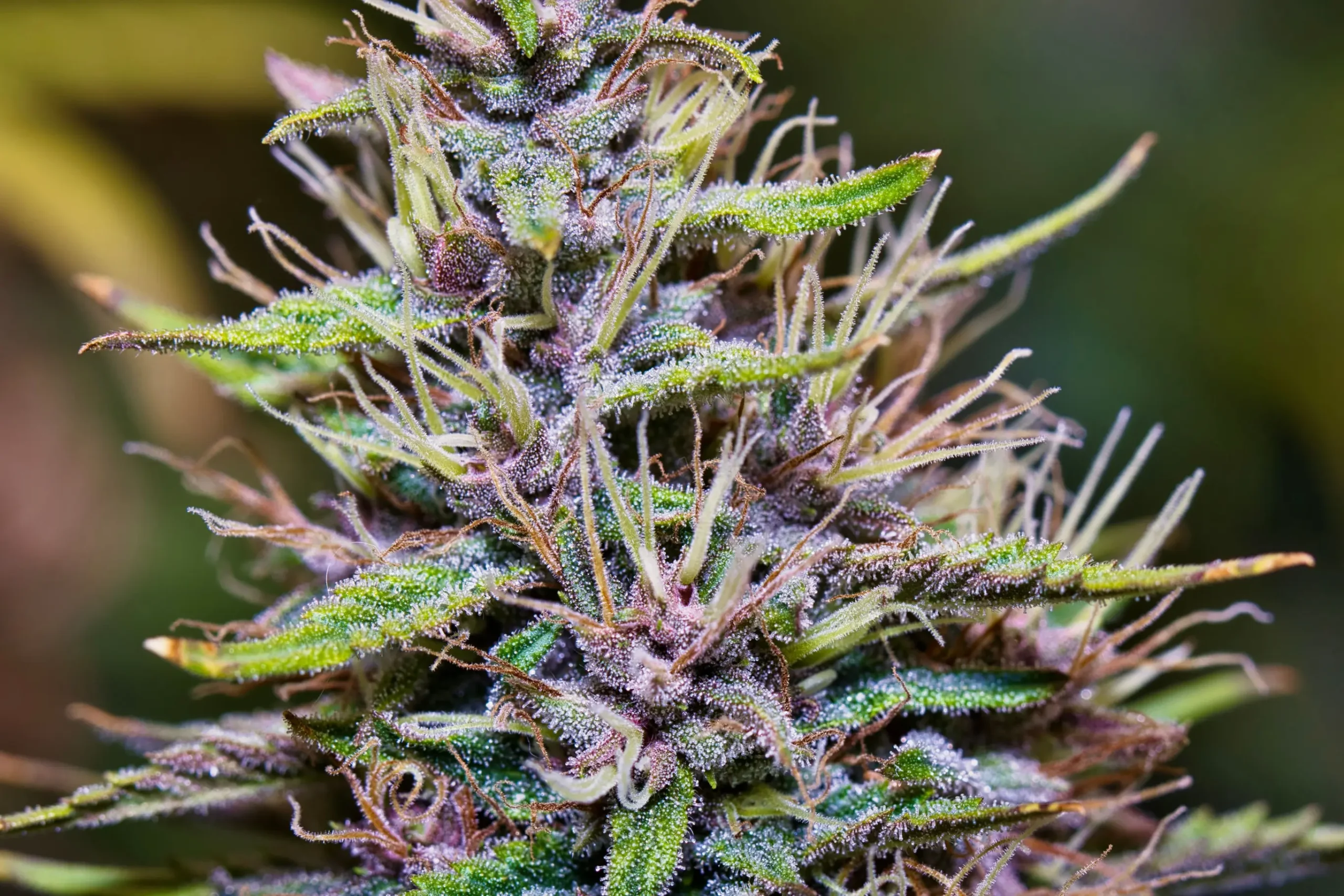
Combining structured field cues with clean environmental benchmarks separates primary triggers from harmless look-alikes.
Why Bud Washing, Baking, Freezing, and Extraction Do Not Make Mold Safe
Internet salvage folklore treats mold like surface dirt; chemistry and microbiology show why those shortcuts endanger users.
Why Hydrogen Peroxide and Baking Soda Washes Fail Internal Colas
Dilute hydrogen peroxide buckets may oxidize loose spores clinging briefly to outer fan leaves immediately at chop time, yet peroxide fizz cannot penetrate sealed multi-layer bract cores to sterilize deep vegetative hyphae without destroying flower lipids. Worse, submerging an already rotting cola turns trim wash water into a fungal spore soup that coats clean outer buds across the dunk tank.
Why Solvent Extraction (BHO, Ethanol, Rosin) Concentrates Rather Than Cleans
Non-polar hydrocarbons, ethanol, and heated rosin presses extract lipophilic cannabinoids and terpenes directly alongside fat-soluble mycotoxins like aflatoxins and fungal sterols. Pressing contaminated flower or blasting moldy trim simply converts widespread low-level contamination into highly concentrated extract while leaving physical spore husks and cell fragments inside crude resin.
Why Baking or Freezing Neither Destroys Preformed Toxins Nor Cleans Spores
Preformed aflatoxins resist degradation past 250 C, far exceeding safe food baking (115 to 175 C) or curing temperatures. Freezing stops active growth temporarily while preserving viable dormant conidia and existing mycotoxins ready to germinate again on thaw.
Important: Never turn mold-affected trim or cut-around buds into edibles, rosin, or hydrocarbon concentrates. Mycotoxins such as aflatoxin B1 are lipophilic and heat-stable past ordinary kitchen baking temperatures, meaning extraction concentrates risk rather than removing it.
Establishing clear containment rules protects healthy harvests nearby when an isolated outdoor cola develops rot.
Reviewing connected site and crop factors helps lock in consistent results across harvests.
After snapping open a suspect cola, many growers wonder if baking, freezing, or bubble hash can make salvaged flower clean again.
“Can I use a slightly moldy jar of buds to make rosin, bubble hash, or infused butter safely?”
Question sent by: HumboldtHyphaeCheck, via X.
No. Lipid solvents and heated rosin plates pull fat-soluble fungal mycotoxins directly alongside cannabinoids, while ice-water hash sieves trap spores and hyphal fragments of similar micron size cleanly into resin glands. Cooking heat also fails to destroy heat-stable aflatoxins. Dispose of visibly moldy jars safely instead.
Verifying environmental and physical checkpoints before layering a second intervention avoids compounding preventable crop stress.
Batch Isolation Framework: What Must Go vs What Can Be Safely Verified
Total crop losses rarely happen from one early outdoor bud rot spot when clear physical boundaries are enforced immediately.
Single-Cola Field Botrytis vs Whole-Jar Post-Harvest Outbreak
On a healthy living outdoor bush where rain triggered isolated Botrytis inside one thick top main cola while side branches two feet away sit loose, green, and dry, carefully sealing a plastic bag straight over the diseased cola and cutting at least two healthy clean nodes below the affected branch limits physical spread. By contrast, inside a sealed glass curing jar where air and humidity equilibrate continuously (RH spikes and gas recirculation), finding mold anywhere inside the jar compromises every bud sealed in that same container.
Separating Neighboring Curing Jars From the Same Harvest Tent
If Jar #1 from the top hanging rack grew mold due to dense wet cores, inspect Jars #2, #3, and #4 immediately under bright magnification and calibrated hygrometers (a_w below 0.62, RH below 62%). Clean dry jars from smaller branches with crisp aroma and zero hyphal filaments remain usable when unsealed for rapid air checks and verified steady below 60 percent equilibrium RH.
| Contamination Scope | What to Discard Immediately | What May Be Retained Carefully | Sanitation Required |
|---|---|---|---|
| One dense outdoor top cola spotted early pre-harvest | Full diseased cola plus 2 nodes below visible rot (bagged on plant) | Distant clean airy lateral branches inspected cleanly node-by-node | Sterilize pruning shears in 70% isopropyl or 10% bleach between every cut |
| Multiple colas rotting indoors across stagnant tent airflow | All visibly soft/gray tops and sticky cross-brushed neighbors | Only unexposed outer zone branches harvested and dried separately | Deep-clean tent walls, fans, pre-filters, and dry racks with peroxide/bleach |
| Single glass curing jar showing fuzz or cellar ammonia odor | 100% of buds inside that entire jar, no selective nibbling | Separate jars packed from drier branches if hygrometer stays <= 60% RH | Boil or dishwasher-sanitize contaminated glass jar and replace lid seal |
| Widespread jar mold across an under-dried harvest batch | Entire contaminated cured lot safely bagged into waste | None; treat post-harvest humid batch as systemic hygiene loss | Calibrate drying space dehumidifier and hygrometers before next run |
Preventing spore carryover between harvest rounds depends on addressing drying curves and storage checkpoints cleanly.
Remember: Inside a closed glass jar, air and humidity share one sealed equilibrium chamber; finding mold on one bud means every bud inside that jar shares exposure to millions of microscopic spores.
Keeping clear operational boundaries prevents well-intentioned shortcuts from compounding small mistakes.
Jar-to-jar spread during late curing raises practical questions about which untouched containers from the same room remain safe.
“One curing jar in my closet grew fuzzy white tufts on two buds, while three other jars from the same harvest look clean. Should I toss everything?”
Question sent by: Mason Fortin, via contact form.
Throw away 100 percent of the contents inside the contaminated jar itself, because closed jar air spreads spores across every surface inside. For the three separate jars, inspect buds under bright white 20x magnification, confirm crisp aroma without basement odors, and verify each jar settles steadily at 58 to 62 percent equilibrium RH over 24 to 48 hours.
Keeping clear field measurements across consecutive checks ensures adjustments track the real root cause accurately.
Common Salvage Mistakes That Multiply Fungal Contamination
Rushed harvest shortcuts turn isolated field blemishes into whole-room curing disasters.
Running High-Speed Clip Fans Straight at Visibly Moldy Colas
Aiming an oscillating fan directly onto a gray-mold bud before removing it blasts millions of dry Botrytis conidia downwind across every healthy sticky plant in the tent or drying room. Shut down circulation fans gently before bagging and excising rotten branches.
Basing Jar Safety Solely on Scent After Burping Away Mustiness
Air-drying a smelly slightly moldy jar for two hours masks early cellar odors temporarily without eliminating dormant spores or mycelia embedded deep inside dense calyces. Once the lid closes again, moisture migrates back outward and colonization resumes silently.
Safe Mold Containment Discipline
Turn off tent circulation fans before handling diseased colas; slip a plastic bag gently over rotten tops before cutting cleanly below the branch node; discard any entire sealed curing jar showing visible mold or cellar ammonia off-notes; hold cured equilibrium RH steadily between 58 and 62 percent (aw <= 0.62).
Unsafe Salvage Habits
Avoid snipping off fuzzy tips while smoking or gifting the rest of the same cola; avoid pressing mold-trimmed buds into rosin or ethanol extracts; avoid leaving visibly diseased waste uncovered inside harvest rooms or garden compost piles.
Disciplined dry-room targets stop both field rot spread and post-harvest storage molds permanently.
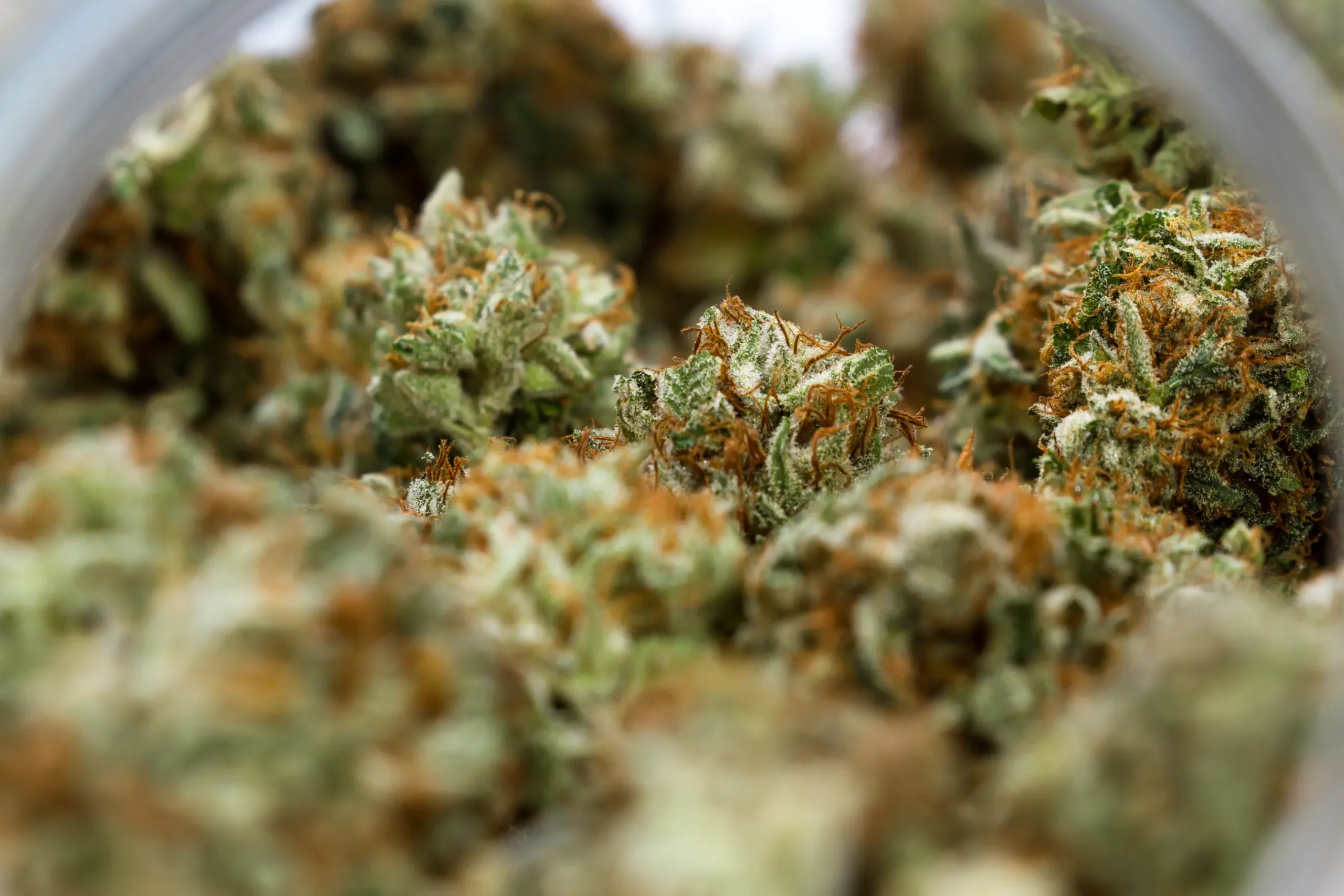
Documented canopy checkpoints and baseline equipment readings make follow-up evaluation fast and objective.
Post-Harvest Hygiene and Safe Batch Verification Checklist
Run a structured dry-room and jar audit across every harvest batch to keep cured flower mold-free without second-guessing.
Pre-Jar Internal Core Breakup Test
Never test harvest dryness by snapping only thin exterior popcorn buds. Crack open the two densest main colas from your rack, examine the interior bract junction beside the central stem under bright flashlight and 20x magnification, and run a 24-hour sealed test jar with a calibrated hygrometer before sealing bulk inventory.
Clean Tooling and Future Prevention Feedback
Log exact dry duration, night dew spikes, and final jar equilibrium RH after every cycle so recurring dense-bud rot spots point directly back to excess Week 7+ nighttime humidity or oversized un-de-bulked colas.
Mold Triage and Safe Harvest Verification Checklist
- Inspect dense top buds pre-harvest by gently parting bracts and checking yellow-brown twisted sugar leaves under bright white light.
- Shut off room fans, bag any visibly diseased outdoor/indoor colas directly on the plant, and cut cleanly well below the branch union.
- Sanitize shears with fresh 70% isopropyl alcohol or dilute bleach wipe immediately after removing affected tissue.
- Verify internal flower dryness inside the largest main colas and confirm 24-hour test-jar equilibrium RH stabilizes at 58 to 62 percent.
- Discard any sealed curing jar exhibiting visible hyphae, chalky storage mold tufts, or damp cellar/ammonia odors completely without selective trimming.
- Reject solvent extraction, water curing, or oven baking as purification attempts for mold-compromised flower.
- Scrub drying racks, trim bins, fans, and contaminated jars cleanly with antimicrobial wash before starting the next harvest cycle.
Respecting invisible fungal margins protects long-term respiratory health and builds unmistakable trust in every jar you cure.
Distinguishing genuine fungal webs from benign sparkling resin hairs stops unnecessary panics while keeping true contamination strictly out of jars.
“How can I tell under a magnifying loupe whether frosty white threads on dried stems are harmless plant hairs or real fungal mold?”
Question sent by: BellinghamMoldGuard, via Instagram.
Natural non-glandular stem and calyx hairs grow in neat, uniform single stalks angled smoothly upward along outer surfaces with consistent spacing. Fungal mold creates chaotic, fine crisscrossing cobweb tangles bridging across crevices, bruised bracts, and stem scars accompanied by dull collapsed color or powdery spore clumps.
Consistent routine tracking keeps long-term crop hygiene and quality repeatable from harvest to harvest.
Scientific References
- Punja, Z. K. (2021). The diverse mycoflora present on dried cannabis (Cannabis sativa L.) inflorescences in commercial production. Canadian Journal of Plant Pathology.
- McKernan, K., et al. (2016). Cannabis microbiome sequencing reveals several mycotoxic fungi native to dispensary-grade Cannabis flowers. F1000Research.
- Ruchlemer, R., et al. (2015). Inhaled medicinal cannabis and the immunocompromised patient: spore and Aspergillus exposure risk. Supportive Care in Cancer.
- Vujanovic, V., et al. (2020). Biocontrol and postharvest management of Botrytis cinerea and mycotoxigenic molds in industrial hemp and cannabis. Toxins.
Share this article
A quick overview of the topics covered in this article.
Follow us
Latest articles
November 19, 2026
November 19, 2026
November 19, 2026
November 19, 2026
